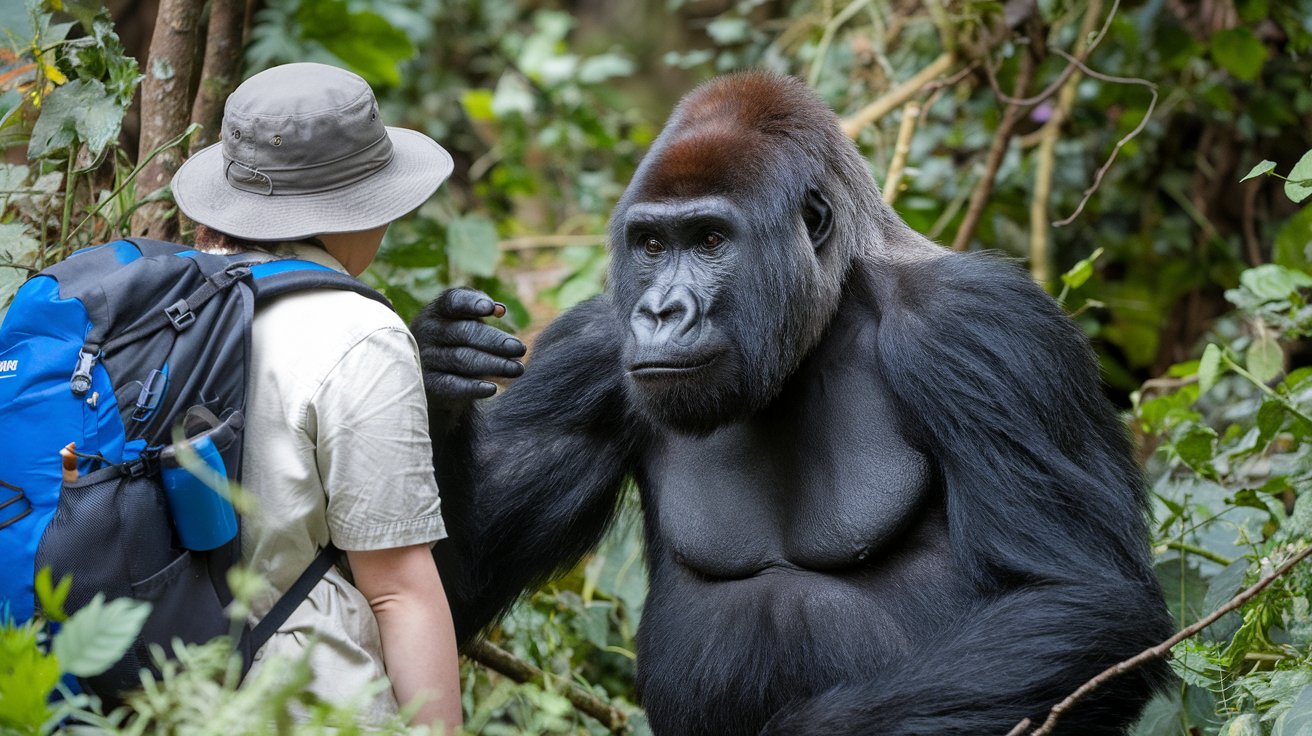
What is Gorilla Trekking? Complete Guide for US Travelers
Gorilla trekking is an extraordinary wildlife experience that involves hiking through dense mountain forests to observe endangered mountain gorillas in their natural habitat. This unique adventure allows visitors to spend precious time with habituated gorilla families in Rwanda and Uganda, creating life-changing memories while contributing to conservation efforts. For US travelers seeking the ultimate African wildlife experience, gorilla trekking offers an unparalleled opportunity to witness these gentle giants up close.
Understanding Gorilla Trekking: The Ultimate Wildlife Experience
Gorilla trekking involves guided hikes through protected mountain forests to visit habituated mountain gorilla families. Unlike zoo visits or safari drives, this activity requires physical effort as trekkers navigate steep terrain, dense vegetation, and sometimes muddy conditions to reach gorilla groups. Each trek can last anywhere from 30 minutes to 8 hours, depending on the gorillas’ location and movement patterns on any given day.
The experience culminates in spending exactly one magical hour with a gorilla family, observing their behaviors, social interactions, and daily routines. Professional guides and trackers ensure visitor safety while maintaining strict protocols to protect both humans and gorillas. This sustainable tourism model generates crucial funding for conservation programs while providing local communities with economic incentives to protect these endangered primates.
What Makes Gorilla Trekking Unique
Unlike traditional wildlife viewing, gorilla trekking offers intimate encounters with critically endangered mountain gorillas, with fewer than 1,100 individuals remaining worldwide. The experience involves tracking specific habituated families that have been carefully conditioned to accept human presence through years of patient work by researchers and conservationists. Each gorilla group has distinct personalities, hierarchies, and behaviors, making every trekking experience completely unique and unpredictable.
The Role of Habituated Gorilla Families
Habituated gorilla families undergo a careful process where researchers gradually introduce human presence over several years until the gorillas accept visitors without stress or aggression. Currently, there are approximately 15 habituated gorilla groups available for tourism in Rwanda and Uganda combined. These families include silverback leaders, adult females, juveniles, and adorable infants, providing visitors with comprehensive insights into complex gorilla social structures and family dynamics.
Prime Gorilla Trekking Destinations for US Travelers
Mountain gorillas inhabit only three countries worldwide: Rwanda, Uganda, and the Democratic Republic of Congo. However, for US travelers, Rwanda and Uganda represent the safest and most accessible options for gorilla trekking adventures. Both destinations offer world-class facilities, experienced guides, and well-established tourism infrastructure that caters specifically to international visitors seeking premium wildlife experiences.
Rwanda’s Volcanoes National Park and Uganda’s Bwindi Impenetrable National Park serve as the primary gorilla trekking destinations, each offering unique advantages, landscapes, and gorilla populations. The choice between these destinations often depends on budget considerations, travel preferences, and desired additional activities during the African adventure.
Gorilla Trekking Rwanda: The Luxury Option
Gorilla trekking in Rwanda offers the most streamlined and luxurious experience, with Volcanoes National Park located just 2.5 hours from Kigali International Airport. Rwanda’s permits cost $1,500 per person as of 2024, reflecting the country’s positioning as a premium destination. The park features excellent road infrastructure, shorter trek distances on average, and stunning volcanic landscapes that provide breathtaking backdrops for gorilla encounters.
Bwindi Gorilla Trekking Uganda: The Authentic Adventure
Uganda’s Bwindi Impenetrable National Park offers a more authentic and budget-friendly gorilla trekking experience, with permits priced at $800 per person in 2024. The park houses nearly half of the world’s mountain gorilla population across four trekking sectors: Buhoma, Ruhija, Rushaga, and Nkuringo. While accessing Bwindi requires longer travel times from Entebbe Airport, the diverse landscapes and multiple gorilla families provide varied trekking experiences.
Gorilla Trekking Permit Costs and Booking Information
Gorilla trekking permits represent the most significant expense for this wildlife adventure, with costs varying dramatically between destinations. Rwanda charges $1,500 per person for each trek, while Uganda’s permits cost $800 per person as of 2024. These permits are strictly limited, with Rwanda issuing only 96 permits daily and Uganda allowing 152 permits across all sectors of Bwindi Impenetrable National Park.
For US travelers, booking permits requires advance planning, often 6-12 months ahead for peak seasons including June through September and December through February. Permits can be purchased directly through Rwanda Development Board or Uganda Wildlife Authority, though many travelers prefer working with reputable tour operators who handle logistics, accommodations, and permit procurement as part of comprehensive packages.
Safety Considerations for Gorilla Trekking
Gorilla trekking safety remains a primary concern for US travelers, but both Rwanda and Uganda maintain excellent safety records for tourists. Both countries have invested heavily in tourism security, with dedicated tourist police units and comprehensive safety protocols for all gorilla trekking activities. Political stability, low crime rates in tourist areas, and professional guide services ensure that visitors can focus on the incredible wildlife experience.
The trek itself involves inherent outdoor adventure risks including steep terrain, slippery conditions, and dense forest navigation. However, professional guides carry first aid equipment, maintain radio communication with base camps, and possess extensive knowledge of emergency procedures. Mountain gorillas themselves pose minimal danger, as they are naturally gentle and non-aggressive toward humans when proper protocols are followed.
Health and Physical Requirements
Gorilla trekking requires moderate to good physical fitness levels, as hikes can involve steep ascents, uneven terrain, and high altitude conditions. Participants must be at least 15 years old and free from contagious illnesses that could transmit to gorillas. Health precautions include yellow fever vaccination requirements, malaria prophylaxis recommendations, and maintaining 7-meter distances from gorillas to prevent disease transmission between species.
Mountain Gorilla Behavior and Safety Protocols
Mountain gorillas are remarkably gentle creatures despite their impressive size and strength. Silverback males can weigh up to 400 pounds but rarely display aggressive behavior toward humans. Established protocols include speaking in whispers, avoiding direct eye contact, following guide instructions precisely, and never touching gorillas even if they approach closely. These guidelines ensure positive interactions while protecting both human visitors and gorilla families.
Physical Difficulty and What to Expect During Treks
The physical difficulty of gorilla trekking varies significantly depending on gorilla locations, weather conditions, and individual fitness levels. Treks can range from relatively easy 30-minute walks to challenging 8-hour expeditions through steep, muddy terrain at altitudes reaching 8,000 feet above sea level. Most treks fall somewhere between these extremes, typically lasting 2-6 hours of hiking through dense montane forests.
Trekkers should prepare for unpredictable conditions including rain, mud, steep inclines, and thick vegetation that may require crawling or climbing. Professional guides provide hiking sticks, and porters are available to assist with backpacks and provide support during difficult sections. The reward of spending one hour with a mountain gorilla family makes every challenging step worthwhile, creating memories that last a lifetime.
Essential Gear and Preparation
Proper preparation significantly enhances the gorilla trekking experience and ensures comfort during challenging hikes. Essential gear includes waterproof hiking boots with good ankle support, long pants to protect against stinging nettles, lightweight rain jackets, gardening gloves for gripping vegetation, and insect repellent. Camera equipment should be non-flash capable, and extra batteries are crucial since charging opportunities may be limited in remote locations.
Altitude and Weather Considerations
Mountain gorilla habitats exist at high altitudes where weather conditions can change rapidly throughout the day. Temperatures typically range from 50-70°F (10-21°C), but can drop significantly with altitude and cloud cover. The rainy seasons from March to May and October to November create muddy, slippery conditions that increase trekking difficulty but also provide lush, green landscapes and potentially shorter gorilla tracking times.
Selecting the Best Gorilla Trekking Tour Operators
Choosing the right tour operator significantly impacts the overall gorilla trekking experience for US travelers. Reputable operators provide comprehensive packages including permit procurement, experienced guides, quality accommodations, reliable transportation, and emergency support throughout the adventure. The best operators maintain strong relationships with local communities, prioritize sustainable tourism practices, and offer transparent pricing structures.
Key factors for evaluating tour operators include industry experience, client testimonials, safety records, guide qualifications, and commitment to conservation efforts. Operators should be licensed by relevant tourism authorities, maintain comprehensive insurance coverage, and provide detailed pre-trip briefings about expectations, requirements, and safety protocols for gorilla encounters.
Red Flags to Avoid When Booking
Warning signs of unreliable tour operators include unrealistic pricing that seems too good to be true, lack of proper licensing documentation, absence of client reviews or testimonials, and unclear communication about permits and inclusions. Avoid operators who cannot provide proof of permit purchases, offer guaranteed gorilla sightings, or lack emergency communication systems. Legitimate operators always provide detailed itineraries, clear cancellation policies, and transparent fee structures for all services.
Comprehensive Package Inclusions to Expect
Quality gorilla trekking packages typically include gorilla permits, park entrance fees, professional guide services, transportation from major airports or cities, accommodations ranging from budget to luxury options, and most meals during the safari portion. Additional inclusions may feature cultural experiences, golden monkey trekking, bird watching excursions, and visits to local communities or conservation projects that benefit from tourism revenue.
Related video about What is gorilla trekking
This video complements the article information with a practical visual demonstration.
Questions & Answers
What is the meaning of gorilla trekking?
Gorilla trekking is a guided wildlife experience involving hiking through mountain forests to observe endangered mountain gorillas in their natural habitat. Visitors spend one hour with habituated gorilla families while following strict conservation protocols. This sustainable tourism activity supports local communities and gorilla conservation efforts while providing unforgettable wildlife encounters.
How difficult is gorilla trekking?
Gorilla trekking difficulty varies from moderate to challenging, depending on gorilla locations and weather conditions. Treks can last 30 minutes to 8 hours through steep, muddy terrain at high altitudes. Most participants with reasonable fitness levels can complete the trek successfully, though proper preparation and appropriate gear are essential for comfort and safety.
What to expect in gorilla trekking?
Expect an early morning start with briefings, hiking through dense forests with professional guides, and spending exactly one hour observing gorilla families once located. Weather can change rapidly, terrain may be challenging, and trek duration is unpredictable. The reward is witnessing incredible gorilla behaviors including feeding, playing, grooming, and complex social interactions in their natural environment.
How safe is gorilla trekking in Rwanda?
Gorilla trekking in Rwanda is extremely safe, with excellent tourism security, dedicated tourist police, and professional guide services. Rwanda maintains political stability and low crime rates in tourist areas. The gorillas themselves pose minimal danger as they are gentle, non-aggressive animals. Professional guides ensure all safety protocols are followed during encounters.
Is gorilla trekking dangerous?
Gorilla trekking involves minimal danger when proper protocols are followed. Mountain gorillas are naturally gentle and rarely show aggression toward humans. Main risks involve outdoor adventure elements like steep terrain, slippery conditions, and altitude effects. Professional guides carry safety equipment, maintain communication systems, and possess extensive emergency training to handle any situations.
What is gorilla trekking called in different regions?
Gorilla trekking is universally called the same across regions, though specific experiences may have local names. In Rwanda, it’s often referred to as ‘gorilla tracking’ in Volcanoes National Park. Uganda uses both ‘gorilla trekking’ and ‘gorilla tracking’ for Bwindi experiences. Some operators market it as ‘mountain gorilla safaris’ or ‘gorilla encounters’ but the core activity remains consistent worldwide.
| Key Aspect | Important Details | Benefit |
|---|---|---|
| Permit Costs | Rwanda $1,500, Uganda $800 (2024) | Funds conservation and local communities |
| Trek Duration | 30 minutes to 8 hours hiking | Unpredictable adventure in pristine forests |
| Group Size | Maximum 8 visitors per gorilla family | Intimate experience with minimal impact |
| Age Requirement | Minimum 15 years old | Ensures safety and gorilla protection |
| Best Seasons | June-September, December-February | Optimal weather and trekking conditions |