Uganda vs Kenya: Complete Country Comparison Guide 2025
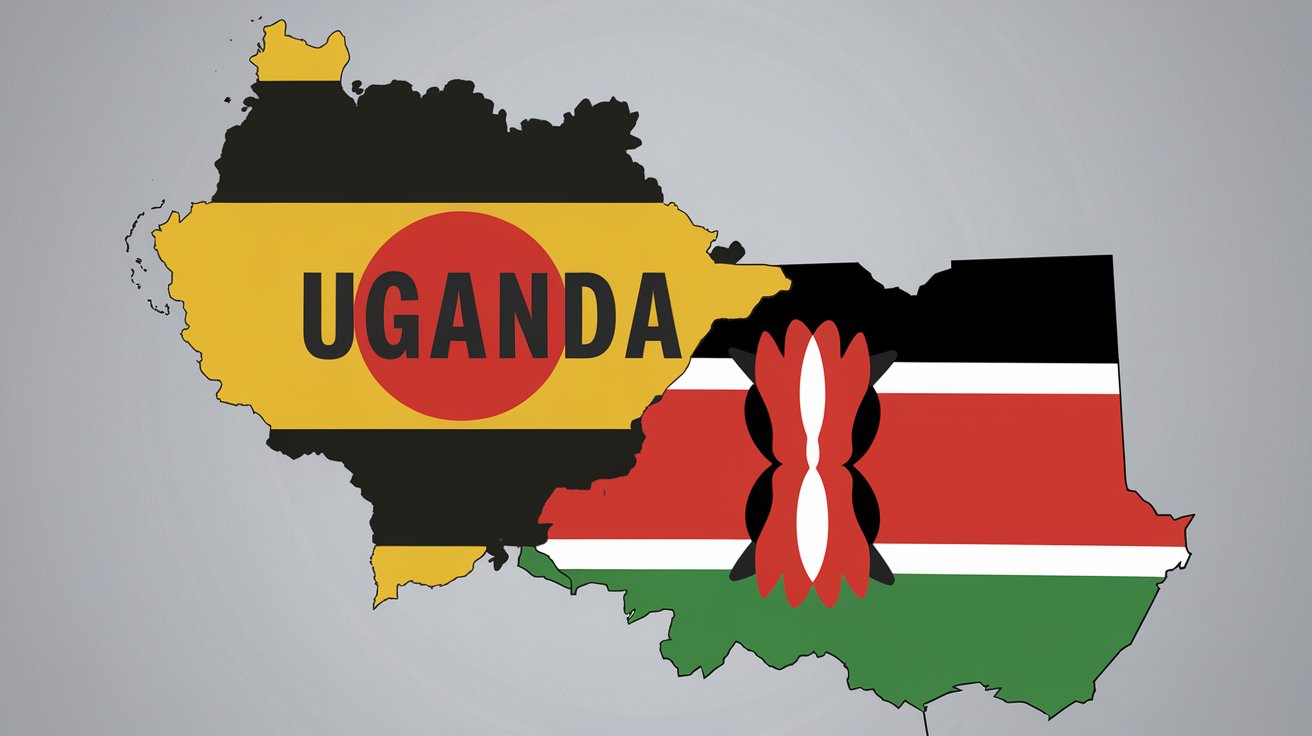
The comparison between Uganda and Kenya remains a hot topic among travelers, investors, and those interested in East African development. Both nations share borders, similar cultures, and colonial histories, yet they’ve evolved along different paths. This comprehensive analysis examines economic performance, diplomatic relations, languages, and quality of life to help you understand the key differences between these two East African powerhouses.
Economic Comparison: Is Kenya Richer Than Uganda?
When examining whether Kenya is richer than Uganda, the data reveals significant economic disparities. Kenya’s GDP stands at approximately $115 billion in 2024, while Uganda’s economy measures around $48 billion. Kenya’s per capita income of $2,300 substantially exceeds Uganda’s $1,200, indicating a higher standard of living for the average Kenyan citizen.
The economic structures also differ considerably. Kenya’s diversified economy relies heavily on services, manufacturing, and agriculture, with Nairobi serving as East Africa’s financial hub. Uganda’s economy remains more agriculture-dependent, though recent oil discoveries promise to transform its economic landscape. Kenya attracts more foreign direct investment, receiving $1.3 billion annually compared to Uganda’s $800 million.
GDP and Income Disparities
The GDP difference between Uganda and Kenya reflects decades of varying economic policies. Kenya’s larger population of 54 million versus Uganda’s 47 million contributes to the GDP gap, but per capita measurements reveal the true economic divide. Kenya’s service sector contributes 54% to GDP, while Uganda’s agriculture sector dominates at 24% of total economic output.
Investment Climate and Business Environment
Kenya consistently ranks higher in ease of doing business, placing 56th globally while Uganda ranks 116th according to World Bank 2024 data. Kenya’s mature financial sector, better infrastructure, and regulatory framework attract multinational corporations seeking East African headquarters. However, Uganda offers lower operational costs and emerging opportunities in the energy sector.
Language and Cultural Similarities
Addressing whether Uganda and Kenya speak the same language, both nations share Swahili and English as official languages, though usage patterns differ significantly. In Kenya, Swahili serves as a unifying national language spoken by over 90% of the population. Uganda recognizes Swahili officially, but English dominates in education, business, and government communications.
Both countries maintain rich linguistic diversity with numerous indigenous languages. Kenya hosts 42 distinct ethnic groups with corresponding languages, while Uganda encompasses over 40 different tribes speaking various Bantu, Nilotic, and Central Sudanic languages. This diversity creates both cultural richness and communication challenges in rural areas.
English Language Proficiency
Uganda generally demonstrates higher English proficiency than Kenya, ranking 45th globally compared to Kenya’s 50th position in the EF English Proficiency Index 2024. This advantage stems from Uganda’s education system’s heavy emphasis on English instruction from primary levels, while Kenya balances English with Swahili education.
Indigenous Language Preservation
Both nations face challenges preserving indigenous languages amid globalization pressures. Kenya’s mother tongue policy encourages early childhood education in local languages, while Uganda’s linguistic diversity creates unique preservation challenges. Luganda dominates central Uganda, while Luo influences northern regions, creating linguistic complexity not found in Kenya’s more standardized approach.
Political Relations: Do Uganda and Kenya Get Along?
The question of whether Uganda and Kenya get along reveals a complex diplomatic relationship marked by cooperation and occasional tensions. Both nations participate actively in the East African Community (EAC), promoting regional integration through shared policies on trade, immigration, and infrastructure development. Recent collaborations include the Standard Gauge Railway project and joint security operations against regional threats.
Trade relations remain robust despite periodic disputes. Kenya serves as Uganda’s largest trading partner within the EAC, with bilateral trade exceeding $1.2 billion annually in 2024. However, occasional trade wars over agricultural products and manufacturing goods create temporary tensions, particularly regarding sugar, cement, and textile imports.
Infrastructure and Development Comparison
Kenya maintains superior infrastructure across most sectors, particularly in transportation, telecommunications, and energy distribution. Nairobi’s Jomo Kenyatta International Airport handles 8 million passengers annually, while Uganda’s Entebbe International Airport processes 2.1 million passengers. Kenya’s road network spans 177,800 kilometers with 14% paved, compared to Uganda’s 20,000 kilometers with 23% paved roads.
However, Uganda shows impressive infrastructure improvements, particularly in hydroelectric power generation. The Karuma Dam project will boost Uganda’s electricity generation capacity to 2,000 MW by 2025, potentially making it a regional power exporter. Kenya’s geothermal energy leadership produces 863 MW, representing 44% of its electricity generation mix.
Transportation Networks
Kenya’s transportation infrastructure significantly outpaces Uganda’s development. The Standard Gauge Railway connecting Nairobi to Mombasa represents Africa’s largest infrastructure project, costing $3.8 billion. Uganda relies heavily on road transport, with the Northern Corridor highway serving as its primary trade route through Kenya to Mombasa port.
Digital Infrastructure and Connectivity
Kenya leads in digital infrastructure with 89% mobile phone penetration and 84% internet connectivity rates. Uganda’s connectivity rates reach 64% for mobile phones and 44% for internet access, reflecting infrastructure gaps that limit digital economic participation. Kenya’s M-Pesa mobile money system processes $50 billion annually, while Uganda’s mobile money handles $15 billion.
Education and Human Development
Educational outcomes reveal significant differences between Uganda and Kenya’s development priorities. Kenya’s literacy rate reaches 87% compared to Uganda’s 76%, with Kenya investing 5.3% of GDP in education versus Uganda’s 4.2%. Kenya’s university system includes 74 accredited institutions, while Uganda operates 45 universities and tertiary colleges.
However, Uganda demonstrates impressive progress in primary education access, achieving 94% enrollment rates compared to Kenya’s 85%. Uganda’s Universal Primary Education policy eliminated school fees in 1997, creating massive enrollment increases that strained infrastructure but improved access for rural populations.
Healthcare Systems and Life Expectancy
Healthcare indicators show mixed results when comparing Uganda versus Kenya’s health outcomes. Kenya’s life expectancy of 67 years exceeds Uganda’s 64 years, while infant mortality rates favor Kenya at 32 per 1,000 births compared to Uganda’s 38 per 1,000 births. Kenya spends $66 per capita on healthcare annually, while Uganda allocates $41 per person.
Both nations struggle with healthcare infrastructure in rural areas. Kenya operates 3,100 health facilities serving its population, achieving one facility per 17,400 people. Uganda’s 1,200 health facilities serve one per 39,200 people, indicating significant capacity constraints. Private healthcare fills gaps in both countries, with Kenya hosting more advanced medical facilities attracting regional medical tourism.
Tourism and Natural Attractions
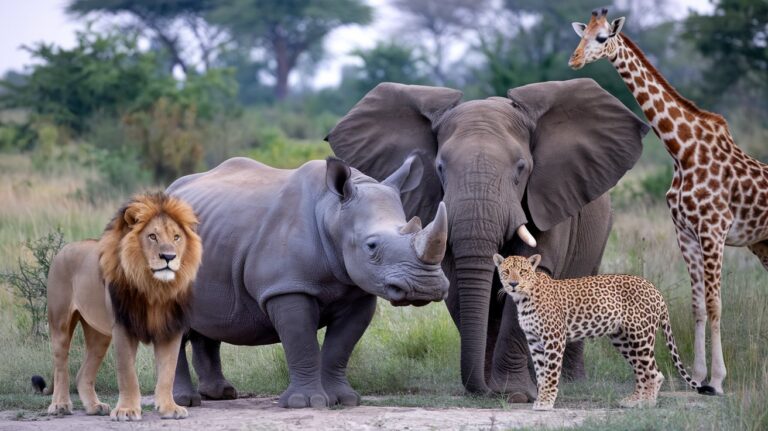
Tourism revenues highlight another area where Kenya outperforms Uganda economically. Kenya’s tourism industry generates $1.6 billion annually, attracting 2.2 million international visitors in 2024. Uganda’s tourism sector produces $800 million with 1.4 million annual visitors, despite offering unique attractions like mountain gorillas and the source of the Nile River.
Kenya’s Maasai Mara, Amboseli, and coastal attractions provide diverse tourism experiences that Uganda cannot match. However, Uganda’s gorilla trekking permits command premium prices at $700 per person, compared to Kenya’s safari packages averaging $200 per day. Uganda’s untapped tourism potential in adventure tourism and cultural experiences offers significant growth opportunities.
Wildlife Conservation Efforts
Both nations prioritize wildlife conservation with varying approaches. Kenya banned ivory trade and strengthened anti-poaching measures, resulting in stable elephant populations. Uganda’s conservation focuses on protecting endangered mountain gorillas, with populations increasing from 400 to 459 individuals between 2018 and 2024 through community-based conservation programs.
Cultural Tourism Development
Cultural tourism represents untapped potential in both countries. Uganda’s cultural diversity spans 56 tribes with distinct traditions, crafts, and festivals that could attract cultural tourists. Kenya’s Maasai culture already attracts international attention, but other communities like the Samburu and Turkana offer authentic experiences that complement traditional safari tourism.
Related video about Uganda vs Kenya
This video complements the article information with a practical visual demonstration.
Frequently Asked Questions
Is Uganda or Kenya better for living?
Kenya generally offers better living standards with higher per capita income ($2,300 vs $1,200), superior infrastructure, and more economic opportunities. However, Uganda provides lower living costs, friendlier business startup environments, and emerging opportunities in the energy sector. The choice depends on personal priorities regarding income potential versus cost of living.
Is Uganda richer than Kenya?
No, Kenya is significantly richer than Uganda. Kenya’s GDP of $115 billion far exceeds Uganda’s $48 billion, with Kenya’s per capita income nearly double Uganda’s. Kenya also attracts more foreign investment and has a more diversified economy, though Uganda’s recent oil discoveries may change this dynamic in the coming decade.
Do Kenya and Uganda get along politically?
Yes, Kenya and Uganda maintain generally positive relations despite occasional trade disputes. Both actively participate in the East African Community, collaborate on infrastructure projects like the Standard Gauge Railway, and maintain bilateral trade exceeding $1.2 billion annually. Their shared EAC membership promotes continued cooperation.
Do Uganda and Kenya speak the same language?
Both countries share English and Swahili as official languages, but usage patterns differ. Swahili is more widely spoken in Kenya (90% of population) while English dominates in Uganda’s education and business sectors. Uganda shows higher English proficiency rankings, while Kenya uses Swahili as a stronger unifying national language.
Which country has better tourism opportunities?
Kenya leads in tourism revenue ($1.6 billion vs $800 million) and visitor numbers, offering diverse attractions from safaris to beaches. However, Uganda provides unique experiences like gorilla trekking and adventure tourism at premium prices. Both countries offer distinct advantages depending on tourist preferences for wildlife, culture, or adventure activities.
What are the main economic differences between Uganda and Kenya?
Kenya operates a more diversified economy with strong services and manufacturing sectors, while Uganda remains more agriculture-dependent. Kenya serves as East Africa’s financial hub with better infrastructure and higher foreign investment. However, Uganda offers lower operational costs and emerging opportunities in oil and hydroelectric power generation.
| Comparison Aspect | Kenya | Uganda |
|---|---|---|
| GDP (2024) | $115 billion | $48 billion |
| Per Capita Income | $2,300 | $1,200 |
| Primary Languages | Swahili, English | English, Swahili |
| Tourism Revenue | $1.6 billion | $800 million |
| Life Expectancy | 67 years | 64 years |