Best Serengeti Lodges 2025: Top Safari Accommodations Guide
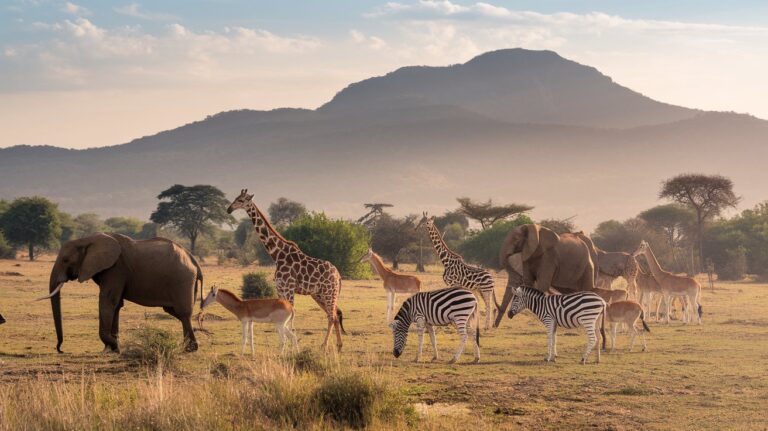
The best Serengeti lodges offer unparalleled access to Africa’s most spectacular wildlife spectacle, with over 2 million wildebeest migrating annually across Tanzania’s iconic plains. From luxury tented camps positioned for optimal wildlife viewing to eco-friendly lodges that support local conservation efforts, choosing the right accommodation determines your entire safari experience.
Top Luxury Serengeti Safari Lodges
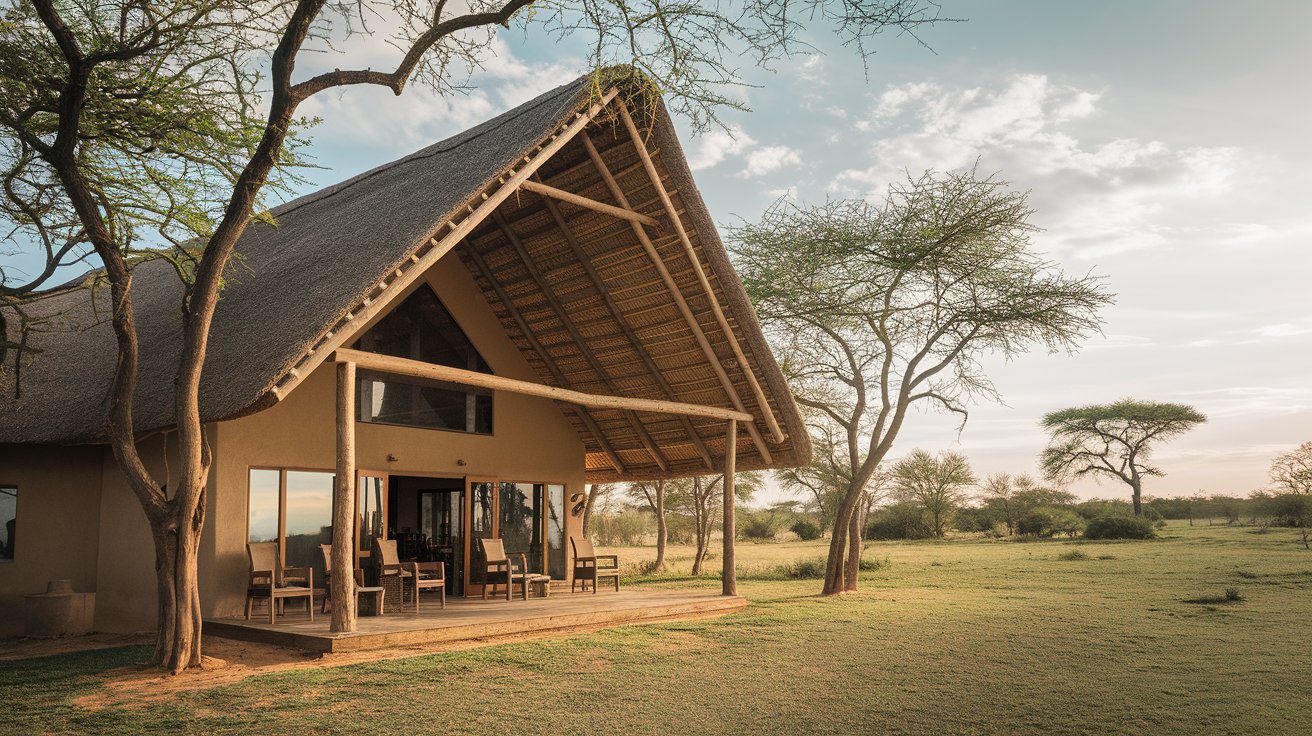
Luxury Serengeti lodges provide world-class amenities while maintaining intimate connections with the surrounding wilderness. These premium accommodations feature private game drives, expert guides, and exclusive access to prime wildlife viewing locations. Most luxury lodges maintain guest capacities under 40 visitors, ensuring personalized service and minimal environmental impact on the national park ecosystem.
The best safari lodges strategically position themselves along migration corridors, offering front-row seats to the Great Migration between July and October. Premium properties include private airstrips, spa services, and michelin-trained chefs who create exceptional dining experiences using locally-sourced ingredients from surrounding Tanzanian communities.
Four Seasons Safari Lodge Serengeti
Four Seasons Safari Lodge Serengeti represents the pinnacle of luxury safari accommodations, featuring 77 rooms and suites with panoramic views of the Grumeti River. The property offers year-round wildlife viewing with over 95% guest satisfaction ratings for wildlife sightings. Located in the Western Corridor, guests enjoy exclusive access to river crossings during migration season from June through August.
Singita Sasakwa Lodge
Singita Sasakwa Lodge operates within the private 350,000-acre Grumeti Reserve, providing exclusive wildlife viewing experiences without crowds. The Edwardian-style manor accommodates only 18 guests across nine suites, maintaining the highest guide-to-guest ratios in the Serengeti. Conservation efforts have resulted in 40% increases in wildlife populations within the reserve since 2020.
Best Mid-Range Serengeti Accommodations
Mid-range lodges offer exceptional value while providing comfortable amenities and expert wildlife guiding services. These properties typically feature 20-40 rooms with private bathrooms, restaurant facilities, and organized game drives twice daily. Visiting travelers can expect comprehensive meal plans, airport transfers, and professional guide services at prices 30-50% below luxury alternatives.
Many mid-range safari properties maintain excellent wildlife viewing positions, particularly during peak migration months from December through March. These accommodations often provide more authentic cultural interactions with local Maasai communities and greater flexibility for independent exploration within park boundaries.
Cherero Camp
Cherero Camp offers authentic tented accommodations in the heart of the Serengeti with 12 spacious canvas tents featuring en-suite bathrooms. The camp’s location provides excellent access to year-round wildlife populations, with guides reporting 85% success rates for Big Five sightings. Sustainable practices include solar power systems and local community employment programs.
Namiri Plains Camp
Namiri Plains Camp specializes in big cat encounters, with the highest cheetah densities recorded in the Eastern Serengeti. The intimate 10-tent camp provides exclusive access to previously restricted areas, resulting in exceptional wildlife photography opportunities. Guest reviews consistently rate the camp’s guides among the most knowledgeable for predator behavior and tracking.
When to Stay at Serengeti Lodges for Optimal Wildlife Viewing
The best months for Serengeti lodge stays depend on specific wildlife interests and migration patterns. December through March offers calving season in the Southern Serengeti, with over 400,000 wildebeest births occurring during this period. July through October provides dramatic river crossings as herds move northward into Kenya’s Masai Mara.
Visiting during shoulder seasons from April to May and November offers significant cost savings of 25-40% on accommodation rates while maintaining excellent wildlife viewing opportunities. Resident animal populations remain robust year-round, ensuring rewarding safari experiences regardless of migration timing.
Where to Stay for the Great Migration Experience
Where to stay for optimal migration viewing requires understanding seasonal movement patterns across the Serengeti’s diverse ecosystems. Mobile camps that relocate seasonally provide the most intimate migration experiences, while permanent lodges offer consistent amenities with varying wildlife densities throughout the year.
Southern Serengeti accommodations excel during calving season from December to March, when over 2 million animals concentrate in the Ndutu area. Northern properties near the Mara River provide spectacular crossing viewing from July through September, with some lodges reporting over 15 crossings per day during peak periods.
Southern Serengeti Migration Lodges
Southern Serengeti lodges position guests at the epicenter of calving season action, with properties like Kusini Camp and Mwiba Lodge providing front-row access to newborn wildlife. These accommodations typically operate seasonally from December through April, following migration patterns. Predator activity reaches peak levels during this period, offering exceptional wildlife photography opportunities.
Northern Serengeti River Crossing Camps
Northern camps excel during river crossing season, with properties like Mkombe’s House Lamai providing exclusive access to prime crossing points along the Mara River. These lodges maintain elevated positions overlooking traditional crossing sites, with some accommodations reporting 95% success rates for witnessing crossings during peak months. Advanced booking becomes essential due to limited capacity.
Difference Between Serengeti and Ngorongoro Crater Lodges
Understanding the difference between Serengeti and Ngorongoro accommodations helps travelers choose appropriate lodging for their safari objectives. Serengeti properties offer vast open plains experiences with migration access, while Ngorongoro rim lodges provide crater floor game drives and concentrated wildlife viewing in a volcanic caldera setting.
Ngorongoro accommodations perch along the crater rim at 7,500 feet elevation, requiring warm clothing year-round due to cool temperatures. Serengeti lodges operate at lower elevations with warmer climates and greater landscape diversity. Wildlife densities in Ngorongoro average 25,000 animals per square mile compared to Serengeti’s seasonal variations.
Ngorongoro Crater Lodge Features
Ngorongoro Crater Lodge offers the world’s most exclusive crater rim experience with just 30 suites spread across three camps. The property provides guaranteed Big Five sightings with 100% success rates for rhino encounters, as the crater hosts Tanzania’s largest black rhino population. Visiting requires advance crater permits and specific descent times regulated by conservation authorities.
Serengeti Plains Lodge Advantages
Serengeti accommodations provide unlimited game drive flexibility and access to 5,700 square miles of diverse ecosystems. Unlike Ngorongoro’s time-restricted crater visits, Serengeti lodges offer full-day game drives, walking safaris, and night drives in certain areas. The vast landscape supports over 70 mammal species and 500 bird species compared to Ngorongoro’s more concentrated but limited ecosystem.
Budget-Friendly Serengeti Safari Camps
Budget-conscious travelers can access excellent Serengeti experiences through carefully selected camps and lodges that prioritize wildlife access over luxury amenities. These accommodations typically feature shared facilities, camping options, and group tours while maintaining professional guide services and reliable wildlife viewing opportunities.
Community-owned safari camps provide authentic cultural experiences while supporting local Maasai communities through employment and revenue sharing. These properties often offer the most competitive rates while providing genuine insights into traditional pastoralist lifestyles and conservation practices that coexist with wildlife populations.
Sustainable and Eco-Friendly Serengeti Accommodations
Eco-conscious lodges lead conservation efforts while providing exceptional safari experiences through sustainable tourism practices. Solar power systems, water recycling, and local community partnerships characterize these forward-thinking accommodations that minimize environmental impact on the national park ecosystem.
Certified eco-lodges contribute directly to wildlife conservation through guest fees, with some properties funding anti-poaching units and community education programs. These accommodations often provide the most knowledgeable guides regarding conservation challenges and wildlife behavior, enhancing the educational value of safari experiences while protecting Tanzania’s natural heritage.
Related video about Best Serengeti lodges
This video complements the article information with a practical visual demonstration.
Your questions answered
What are the best months to visit Serengeti lodges?
The best months for Serengeti lodge stays depend on your wildlife interests. December to March offers calving season in southern Serengeti with over 400,000 wildebeest births. July to October provides dramatic river crossings during northern migration. Year-round wildlife viewing remains excellent with resident populations of elephants, lions, and leopards.
Where should I stay to see the wildebeest migration in Serengeti?
For optimal migration viewing, choose mobile camps that follow seasonal movements or permanent lodges strategically positioned along migration corridors. Southern Serengeti accommodations excel during calving season (December-March), while northern properties near Mara River provide spectacular crossings (July-September). Book 12-18 months in advance for peak season.
What is the difference between staying in Serengeti versus Ngorongoro?
Serengeti lodges offer vast open plains experiences with migration access across 5,700 square miles and unlimited game drive flexibility. Ngorongoro accommodations provide concentrated wildlife viewing in a volcanic crater with guaranteed Big Five sightings but time-restricted visits. Ngorongoro operates at higher elevation requiring warmer clothing year-round.
How much do the best Serengeti lodges cost?
Luxury Serengeti lodges range from $800-2,000 per person per night including meals and game drives. Mid-range accommodations cost $300-600 per person nightly with similar inclusions. Budget camps and community lodges offer options from $150-300 per person. Prices vary significantly by season, with peak migration months commanding 40-60% premiums.
Which Serengeti lodges offer the best wildlife viewing?
Top wildlife viewing lodges include Four Seasons Safari Lodge for year-round game, Singita Sasakwa for exclusive private reserve access, and Namiri Plains for exceptional cheetah encounters. Migration-focused properties like Mkombe’s House Lamai and seasonal mobile camps provide optimal positioning for specific wildlife events and crossing points.
Are Serengeti safari lodges suitable for families with children?
Many Serengeti lodges welcome families with children over 6-8 years old, offering family suites, supervised activities, and child-friendly game drives. Properties like Four Seasons Safari Lodge provide dedicated family programs and swimming pools. Some luxury camps maintain minimum age restrictions of 12+ years for safety and wildlife experience optimization.
| Lodge Category | Price Range (per person/night) | Best For |
|---|---|---|
| Luxury Lodges | $800-2,000 | Ultimate comfort, exclusive access, premium service |
| Mid-Range Camps | $300-600 | Great value, good amenities, authentic experience |
| Budget Options | $150-300 | Cost-conscious travelers, cultural immersion |
| Mobile Camps | $400-1,200 | Following migration, optimal wildlife positioning |