Uganda Gorilla Trek 2025: Complete Cost & Permit Guide
A Uganda gorilla trek offers one of the world’s most extraordinary wildlife experiences, allowing you to encounter mountain gorillas in their natural habitat. With permit costs ranging from $700 to $1,500 and multiple trekking locations across Bwindi Impenetrable Forest and Mgahinga Gorilla National Park, Uganda provides the most affordable gorilla trekking experience in East Africa for American travelers in 2025.
Gorilla Trekking Permits in Uganda 2025
The gorilla trekking permit is your essential ticket to meet the mountain gorillas in Uganda. For 2025, standard permits cost $700 per person during low season (April, May, and November) and $800 during peak season for foreign non-residents. This represents exceptional value compared to Rwanda’s $1,500 permits, making Uganda the preferred destination for budget-conscious American travelers.
Uganda Wildlife Authority issues a limited number of permits daily to protect the gorilla families. Only eight visitors per day can visit each habituated gorilla group, ensuring minimal human impact on these endangered primates. With approximately 20 habituated gorilla families across Uganda’s two gorilla parks, daily capacity remains strictly controlled.
Standard Gorilla Permit Costs
Standard gorilla permits in Uganda provide one hour with a gorilla family after finding them. Foreign non-residents pay $700-$800 depending on season, while foreign residents pay $600. East African citizens receive significant discounts at $250, reflecting Uganda’s commitment to regional conservation tourism.
Gorilla Habituation Experience Permits
The gorilla habituation experience costs $1,500 per person and offers four hours with semi-habituated gorilla families. Available only in Bwindi’s Rushaga sector, this premium experience allows participants to observe the habituation process alongside researchers and trackers, providing deeper insights into gorilla behavior.
How Much Does Uganda Gorilla Trekking Cost?
Total Uganda gorilla trek costs for Americans typically range from $2,500 to $5,000 per person for a complete safari package. This includes permits, accommodation, meals, transportation, and guide services. Budget travelers can minimize costs by choosing mid-range lodges and group tours, while luxury seekers can opt for premium eco-lodges with comprehensive amenities.
Additional expenses include international flights ($1,200-$2,000 from major US cities), visa fees ($50 for Americans), yellow fever vaccination ($200-$300), and optional activities like community walks or bird watching tours. Porter fees ($20-$30) and guide tips ($10-$20) are customary but not mandatory.
Best Time for Gorilla Trekking in Uganda
The best months for gorilla trekking in Uganda are June through September and December through February, coinciding with dry seasons. During these periods, trekking trails are less muddy, vegetation is thinner for better gorilla visibility, and weather conditions are more predictable for American visitors unaccustomed to tropical climates.
However, Uganda’s equatorial location means gorilla trekking is possible year-round. Wet season months (March-May and October-November) offer lower permit prices and fewer crowds, though trekking conditions become more challenging with slippery trails and dense vegetation.
Dry Season Advantages
Dry season gorilla trekking provides optimal conditions with clear trails, better photography opportunities, and comfortable hiking weather. Temperatures range from 60-75°F, ideal for Americans accustomed to temperate climates. However, this peak season requires advance booking and higher accommodation rates.
Wet Season Benefits
Wet season trekking offers discounted permits, lush green scenery, and fewer tourists for a more intimate experience. While trails become muddy and hiking gear requirements increase, the forest’s vibrant ecosystem and active wildlife make this period appealing for adventurous travelers.
How Difficult is Gorilla Trekking in Uganda?
Uganda gorilla trekking difficulty varies from moderate to strenuous depending on gorilla location and individual fitness levels. Treks can last 2-8 hours through dense forest, steep terrain, and altitudes reaching 8,500 feet. Most American visitors with average fitness complete treks successfully, though preparation through cardiovascular exercise and hiking practice is recommended.
The physical demands include hiking on uneven terrain, navigating through thick vegetation, and potentially long distances to locate gorilla families. Weather conditions add complexity with potential rain, mud, and humidity. However, experienced guides adjust pace for group abilities, and porters assist with gear and support when needed.
Bwindi vs Mgahinga: Choosing Your Trekking Location
Bwindi Impenetrable Forest hosts approximately 19 habituated gorilla families across four sectors: Buhoma, Ruhija, Rushaga, and Nkuringo. This UNESCO World Heritage Site offers diverse trekking experiences, from relatively easy walks to challenging mountain climbs, accommodating various fitness levels and preferences for American visitors.
Mgahinga Gorilla National Park features one habituated gorilla family, the Nyakagezi group, known for crossing between Uganda, Rwanda, and Democratic Republic of Congo. While offering fewer options, Mgahinga provides stunning volcanic scenery and potential golden monkey encounters, creating a unique trekking experience.
Bwindi Forest Sectors
Each Bwindi sector offers distinct advantages: Buhoma provides easiest access and established tourism infrastructure; Ruhija offers highland forest experiences; Rushaga features the habituation experience; and Nkuringo provides challenging mountain terrain with spectacular views of the Virunga volcanoes.
Mgahinga Unique Features
Mgahinga’s volcanic landscape creates dramatic backdrops for gorilla encounters, while the park’s smaller size ensures intimate wildlife experiences. The Nyakagezi group’s mobility adds excitement, though it occasionally requires rescheduling if gorillas cross international borders.
Booking Your Uganda Gorilla Permit
Gorilla permit booking should occur 6-12 months in advance, especially for peak season travel. Uganda Wildlife Authority releases permits through licensed tour operators, and direct booking through their website requires advance payment and specific documentation. American travelers benefit from working with established operators who handle logistics and ensure proper documentation.
The booking process requires passport details, preferred dates, and full payment. Permits are non-refundable but transferable with advance notice. Tour operators typically include permits in comprehensive packages, simplifying the process for international visitors while ensuring compliance with Uganda’s tourism regulations.
Essential Preparation Tips
Physical preparation for Uganda gorilla trekking should begin 2-3 months before travel. Focus on cardiovascular fitness, leg strength, and hiking endurance to handle varied terrain and extended walking periods. Regular hiking with a loaded backpack simulates trek conditions and builds necessary stamina for American visitors.
Gear requirements include waterproof hiking boots, long pants, long-sleeved shirts, rain jacket, hat, gloves, and daypack. Uganda’s forest environment demands protective clothing against thorns, insects, and weather. Quality gear enhances comfort and safety during challenging treks through dense vegetation.
Fitness Training Program
A comprehensive fitness program should include hiking, stair climbing, jogging, and strength training. Focus on leg muscles, core stability, and cardiovascular endurance to handle Uganda’s mountainous terrain and high altitude conditions effectively.
Packing Essentials
Essential packing items include insect repellent, first aid kit, water bottles, energy snacks, camera equipment, and backup batteries. Neutral-colored clothing helps avoid startling gorillas, while quality rain gear ensures comfort during unexpected weather changes.
Gorilla Trekking Etiquette and Safety
Gorilla encounter protocols ensure both visitor safety and gorilla welfare. Maintain 7-meter distance from gorillas, avoid direct eye contact, move slowly and quietly, and follow guide instructions immediately. Flash photography is prohibited, and visitors showing illness symptoms cannot participate to protect gorilla health.
The one-hour limit with gorilla families prevents over-exposure and stress to these endangered primates. Groups of maximum eight people ensure minimal disturbance while allowing meaningful wildlife encounters. These strict regulations protect Uganda’s gorilla populations while providing sustainable tourism opportunities.
Related video about Uganda gorilla trek
This video complements the article information with a practical visual demonstration.
FAQ – Common Questions
How much does it cost to go gorilla trekking in Uganda?
Uganda gorilla trekking costs $700-$800 per permit depending on season, with total trip costs ranging $2,500-$5,000 including accommodation, meals, and transportation. This makes Uganda significantly more affordable than Rwanda’s $1,500 permits, offering excellent value for American travelers seeking gorilla encounters in 2025.
How difficult is gorilla trekking in Uganda?
Uganda gorilla trekking ranges from moderate to strenuous, with hikes lasting 2-8 hours through dense forest and steep terrain at altitudes up to 8,500 feet. Most Americans with average fitness complete treks successfully, though cardiovascular preparation and hiking experience improve comfort and enjoyment significantly.
What is gorilla trekking in Uganda?
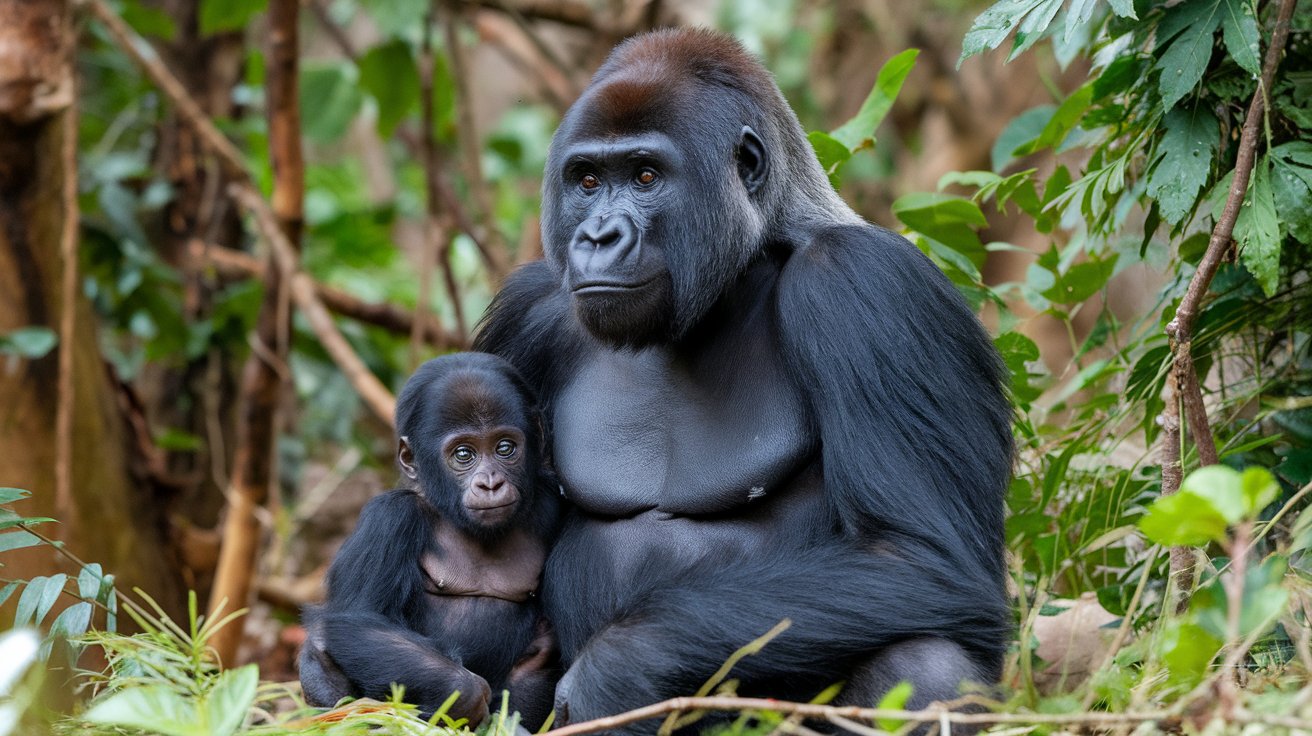
Gorilla trekking in Uganda involves hiking through Bwindi Impenetrable Forest or Mgahinga Gorilla National Park to observe mountain gorillas in their natural habitat. Visitors spend one hour with habituated gorilla families after locating them, providing intimate wildlife encounters while supporting conservation efforts.
Which month is best for gorilla trekking in Uganda?
The best months for Uganda gorilla trekking are June-September and December-February during dry seasons. These periods offer clearer trails, better visibility, and comfortable hiking conditions. However, wet season months (March-May, October-November) provide discounted permits and fewer crowds for budget-conscious travelers.
How early should I book my Uganda gorilla permit?
Book Uganda gorilla permits 6-12 months in advance, especially for peak season travel (June-September, December-February). With only eight visitors allowed per gorilla family daily and limited habituated groups, early booking ensures availability for preferred dates and accommodations.
Do I need a visa for Uganda gorilla trekking?
Yes, American citizens need a tourist visa for Uganda, costing $50 for single entry. Apply online through Uganda’s e-visa system or obtain on arrival. Additionally, yellow fever vaccination is required, and travel insurance is highly recommended for gorilla trekking activities in remote forest locations.
| Trekking Aspect | Uganda Details | Benefit for Americans |
|---|---|---|
| Permit Cost | $700-$800 standard, $1,500 habituation | Most affordable gorilla experience in East Africa |
| Best Season | June-September, December-February | Optimal weather and trail conditions |
| Booking Timeline | 6-12 months advance required | Guaranteed availability for preferred dates |
| Physical Demand | Moderate to strenuous, 2-8 hours hiking | Achievable with basic fitness preparation |
| Total Trip Cost | $2,500-$5,000 per person complete package | Comprehensive value including all essentials |
| Conservation Impact | Direct funding for gorilla protection | Meaningful contribution to endangered species |