Kenya National Parks Guide 2025: 47 Premier Wildlife Destinations
Kenya boasts 47 national parks and reserves that showcase Africa’s most spectacular wildlife and landscapes. From the iconic Maasai Mara National Reserve with its Great Migration to Amboseli National Park’s elephant herds against Mount Kilimanjaro’s backdrop, these protected areas offer unparalleled safari experiences for American travelers seeking authentic African adventures in 2025.
Premier National Parks and Reserves in Kenya
Kenya’s wildlife conservation system includes 23 national parks, 28 national reserves, and multiple conservancies covering over 44,000 square kilometers. The Kenya Wildlife Service manages these protected areas, which generate over $1.2 billion annually for the country’s economy. American visitors comprise 15% of Kenya’s safari tourism, with peak seasons running from July to October and December to March.
The most visited national park in Kenya is Maasai Mara National Reserve, attracting over 300,000 visitors annually. This 1,510 square kilometer reserve connects to Tanzania’s Serengeti, forming one continuous ecosystem where the famous Great Wildebeest Migration occurs between July and October each year.
Top 5 Must-Visit National Parks
The best national parks in Kenya for first-time visitors include Maasai Mara for the Great Migration, Amboseli National Park for elephant photography with Kilimanjaro views, Tsavo East and West for vast wilderness experiences, and Lake Nakuru National Park for flamingo spectacles and rhino sightings. These parks offer the highest probability of seeing Kenya’s Big Five animals.
Seasonal Wildlife Patterns
Kenya national parks animals follow predictable seasonal patterns that impact safari experiences. The dry seasons from June to October and December to March offer optimal game viewing as animals congregate around water sources. During these periods, vegetation is sparse, making wildlife spotting easier for photographers and safari enthusiasts from the United States.
Complete List of Kenya National Parks and Locations
Understanding how many national parks are in Kenya helps travelers plan comprehensive safari itineraries. The country’s protected areas span from coastal marine parks to highland forest reserves. Northern Kenya features Samburu National Reserve and Marsabit National Park, while the central region includes Aberdare National Park and Mount Kenya National Park.
National parks in Kenya and their locations cover diverse ecosystems: coastal parks like Malindi and Watamu Marine National Parks protect coral reefs, while inland parks like Hell’s Gate National Park offer unique geological formations and rock climbing opportunities just 90 minutes from Nairobi.
Northern Kenya National Parks
Northern Kenya’s national parks include Samburu, Buffalo Springs, and Shaba reserves, collectively known as the Samburu ecosystem. These parks feature unique species like Grevy’s zebras, reticulated giraffes, and Somali ostriches. Marsabit National Park encompasses an extinct volcano crater with dense forest, while Sibiloi National Park protects important paleontological sites.
Central and Southern Parks
Central Kenya’s highlands feature Mount Kenya National Park, a UNESCO World Heritage Site surrounding Africa’s second-highest peak. The Aberdare National Park offers mountain forest wildlife viewing and the famous Treetops Lodge. Southern parks include Chyulu Hills National Park and Taita Hills Wildlife Sanctuary, providing diverse landscapes from volcanic hills to acacia woodlands.
The Big Five in Kenya National Parks
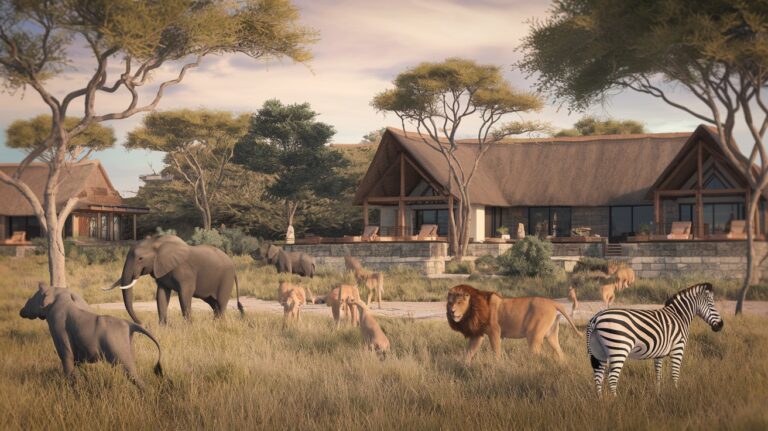
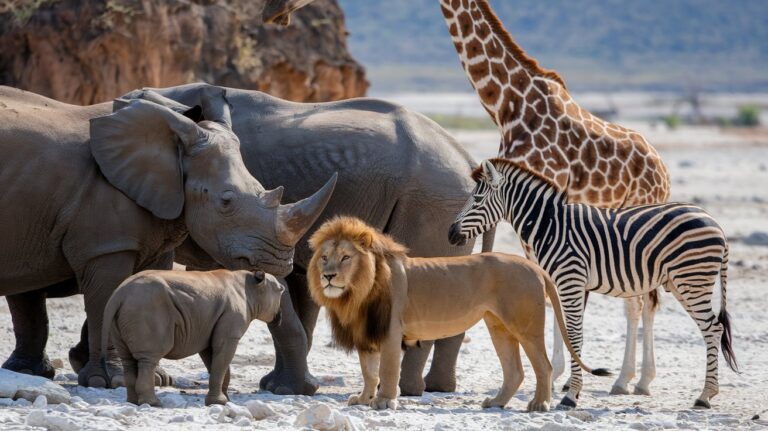
What is the Big Five in Kenya national park refers to the five most challenging animals to hunt on foot: lions, leopards, elephants, rhinos, and Cape buffalo. Today, these species represent Kenya’s premier wildlife attractions. Maasai Mara hosts the highest density of Big Five animals, with an estimated 850-900 lions across the ecosystem.
Kenya’s elephant population has recovered to approximately 36,000 individuals, with large herds concentrated in Tsavo East, Tsavo West, and Amboseli national parks. The country’s rhino conservation programs have increased black rhino numbers to over 800 individuals, primarily protected in Ol Pejeta Conservancy, Lake Nakuru, and Tsavo East national parks.
Lion Conservation Success
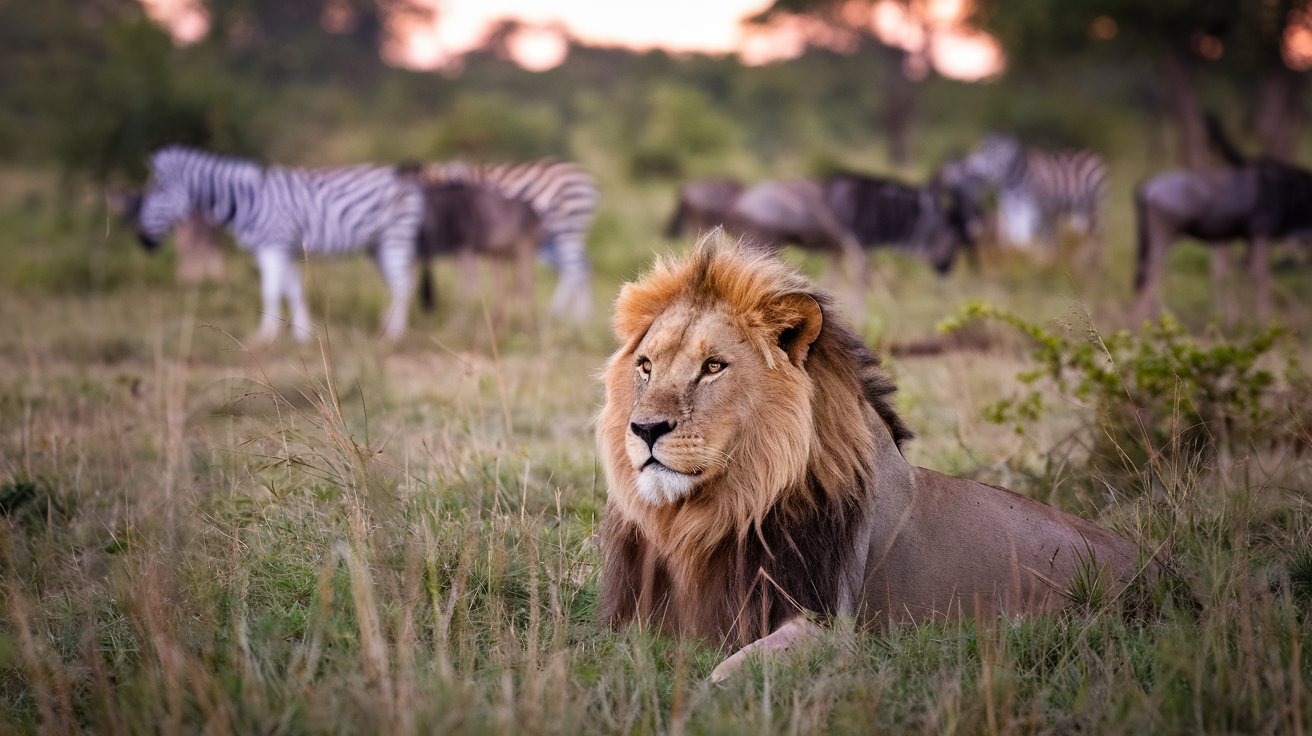
Kenya’s lion population remains stable at approximately 2,500 individuals across various national parks and conservancies. The Maasai Mara ecosystem supports the largest population, while Tsavo national parks host significant prides adapted to arid environments. Community conservancies outside national parks now protect 65% of Kenya’s wildlife, including substantial lion populations.
Rhino Recovery Programs
Kenya’s rhino conservation efforts have achieved remarkable success, with black rhino numbers increasing from fewer than 300 in the 1980s to over 800 in 2025. The Ol Pejeta Conservancy houses the largest black rhino sanctuary in East Africa, while Lake Nakuru National Park maintains a crucial breeding population in its 188 square kilometer fenced sanctuary.
Game Reserves vs National Parks in Kenya
Game reserves in Kenya differ from national parks in management and community involvement. While national parks are strictly government-managed, national reserves in Kenya often involve local communities in conservation and tourism benefits. The Maasai Mara National Reserve exemplifies this model, where Maasai communities receive tourism revenue and participate in wildlife management decisions.
Community conservancies represent Kenya’s newest conservation model, covering over 6.4 million acres. These areas complement traditional national parks by providing wildlife corridors and seasonal grazing areas. Notable conservancies include Ol Pejeta, Lewa, and the Northern Rangelands Trust conservancies, which collectively protect 20% of Kenya’s wildlife.
Marine National Parks and Coastal Protection
Kenya’s coastal national parks protect vital marine ecosystems along 536 kilometers of Indian Ocean coastline. Malindi Marine National Park, established in 1968, was Kenya’s first marine protected area. These parks safeguard coral reefs, sea turtle nesting beaches, and mangrove forests crucial for climate change mitigation.
Watamu Marine National Park protects three coral reef systems and serves as a critical sea turtle nesting site. The park’s 232 square kilometers include pristine beaches and world-class diving sites. Kisite-Mpunguti Marine Park near the Tanzania border offers exceptional dolphin watching and coral snorkeling opportunities for American tourists seeking diverse wildlife experiences.
Planning Your Kenya National Parks Safari in 2025
American travelers planning Kenya national parks visits should allocate 7-14 days for comprehensive wildlife experiences. Entry fees for non-residents range from $60-80 per day for premier parks like Maasai Mara and Amboseli. Park fees can be paid via mobile money or card at park gates, with annual passes available for extended stays.
The best time to visit Kenya national parks aligns with dry seasons when roads are accessible and wildlife viewing optimal. July through October coincides with the Great Migration in Maasai Mara, while December through March offers excellent general game viewing across all parks. Advance booking of accommodations is essential, especially during peak seasons.
Essential Safari Packing List
Successful Kenya safari experiences require proper preparation. Essential items include neutral-colored clothing, wide-brimmed hats, sunscreen SPF 50+, binoculars, camera equipment with extra batteries, and insect repellent. Malaria prophylaxis is recommended for all Kenya national parks visits, with consultation from travel medicine specialists before departure from the United States.
Transportation and Logistics
Domestic flights connect major Kenya national parks with airstrips in Maasai Mara, Amboseli, Samburu, and Tsavo. Road transfers offer scenic routes but require 4WD vehicles during rainy seasons. Professional safari operators provide comprehensive packages including park fees, accommodations, meals, and expert guides familiar with current wildlife movements and seasonal patterns.
Conservation Impact and Future of Kenya’s Parks
Kenya’s national parks system generates significant conservation funding while supporting local communities. Park revenues fund anti-poaching operations, community development projects, and wildlife research programs. The Kenya Wildlife Service employs over 6,000 rangers and support staff, with many communities benefiting from tourism-related employment opportunities.
Climate change presents ongoing challenges for Kenya’s wildlife conservation. Rising temperatures and changing rainfall patterns affect animal migration routes and breeding cycles. Adaptive management strategies include corridor creation between parks, water point management, and community-based conservation initiatives that provide alternative livelihoods while protecting wildlife habitats for future generations.
Related video about Kenya national parks
This video complements the article information with a practical visual demonstration.
Questions & Answers
What is the most visited national park in Kenya?
The Maasai Mara National Reserve is Kenya’s most visited park, attracting over 300,000 visitors annually. Located 270 kilometers southwest of Nairobi, it’s famous for the Great Wildebeest Migration from July to October and hosts Kenya’s highest concentration of Big Five animals across its 1,510 square kilometers.
How many national parks are there in Kenya?
Kenya has 47 protected areas including 23 national parks, 28 national reserves, and multiple conservancies. The Kenya Wildlife Service manages these areas covering over 44,000 square kilometers, representing about 8% of the country’s total land area and protecting diverse ecosystems from coastal marine environments to highland forests.
What is the best national park in Kenya?
Maasai Mara National Reserve consistently ranks as Kenya’s best park due to its exceptional wildlife density, Great Migration spectacle, and diverse safari experiences. However, Amboseli National Park excels for elephant photography with Mount Kilimanjaro backdrops, while Tsavo East and West offer vast wilderness experiences for adventurous travelers.
What is the Big Five in Kenya national parks?
The Big Five refers to lions, leopards, elephants, rhinos, and Cape buffalo – originally the five most dangerous animals to hunt on foot. Today they represent Kenya’s premier wildlife attractions. Maasai Mara hosts the highest Big Five density, while specialized parks like Ol Pejeta Conservancy protect significant rhino populations.
When is the best time to visit Kenya national parks?
The optimal time for Kenya safari visits is during dry seasons: July-October and December-March. These periods offer excellent wildlife viewing as animals congregate around water sources, and roads remain accessible. July-October coincides with the Great Migration in Maasai Mara, making it peak season for American travelers.
How much does it cost to visit Kenya national parks?
Non-resident park fees range from $60-80 per day for premier parks like Maasai Mara and Amboseli, with lower fees for smaller parks. Marine parks cost $20-25 per day. Total safari costs including accommodations, meals, and transportation typically range from $200-800 per person per day depending on luxury level and group size.
| Park Category | Number of Parks | Key Benefits |
|---|---|---|
| National Parks | 23 parks | Strict wildlife protection, premier safari experiences |
| National Reserves | 28 reserves | Community involvement, cultural experiences |
| Marine Parks | 6 coastal parks | Coral reef protection, diving opportunities |
| Total Protected Area | 44,000+ km² | 8% of Kenya’s land area protected |