Best Safari in Africa 2025: Top Destinations & Luxury Lodges
Africa offers the world’s most spectacular safari experiences, with diverse ecosystems hosting the Big 5 animals and millions of migrating wildlife. From luxury tented camps in Botswana to family-friendly lodges in Kenya, choosing the best safari in Africa depends on your budget, wildlife preferences, and travel style. This comprehensive guide covers the top safari destinations, luxury accommodations, and expert tips for planning your 2025 African adventure.
Which Country Has the Best Safari in Africa
The best safari country in Africa varies based on your specific interests, but Kenya, Tanzania, Botswana, and South Africa consistently rank highest among wildlife enthusiasts. Kenya offers the iconic Great Migration and diverse ecosystems, while Tanzania provides vast wilderness areas with fewer crowds. Botswana excels in luxury safari experiences and pristine wilderness, particularly in the Okavango Delta. South Africa combines excellent wildlife viewing with world-class infrastructure and is considered the safest country in Africa for safari travel.
For first-time visitors, Kenya and Tanzania offer the most comprehensive safari experience with established tourism infrastructure, English-speaking guides, and diverse wildlife viewing opportunities. The choice between these top safari destinations often depends on timing, as the Great Migration moves between Kenya’s Masai Mara (July-October) and Tanzania’s Serengeti (December-July).
Best Safari Destinations for Big 5 Wildlife Viewing
Experiencing the Big 5 animals – lion, elephant, buffalo, rhino, and leopard – remains a top priority for safari travelers. South Africa’s Kruger National Park offers the highest probability of seeing all Big 5 species, with excellent infrastructure and malaria-free areas in the south. Kenya’s Masai Mara National Reserve provides exceptional predator viewing, particularly during the Great Migration when over 2 million wildebeest and zebras create abundant prey for lions and leopards.
Tanzania’s Ngorongoro Crater functions as a natural amphitheater where the Big 5 safari experience is almost guaranteed within a single day. The crater floor hosts approximately 25,000 large animals, including the endangered black rhino. Botswana’s Chobe National Park boasts Africa’s largest elephant population, with herds numbering over 120,000 individuals, while the Okavango Delta offers unique water-based safari experiences.
South Africa’s Premier Big 5 Locations
Kruger National Park spans 7,523 square miles and hosts over 147 mammal species, making it one of Africa’s most biodiverse safari destinations. Private reserves like Sabi Sands and Timbavati offer luxury accommodations with exclusive Big 5 viewing opportunities. The park’s southern region remains malaria-free, making it ideal for families and first-time safari visitors seeking the best safari experience.
East Africa’s Big 5 Hotspots
Kenya’s Amboseli National Park provides stunning elephant viewing against Mount Kilimanjaro’s backdrop, while Lake Nakuru National Park offers excellent rhino and leopard sightings. Tanzania’s Serengeti ecosystem supports the world’s largest lion population, estimated at 3,000 individuals, making it a premier destination for Big 5 wildlife viewing and photographic safaris.
Best Luxury Safari Lodges and Camps in Africa
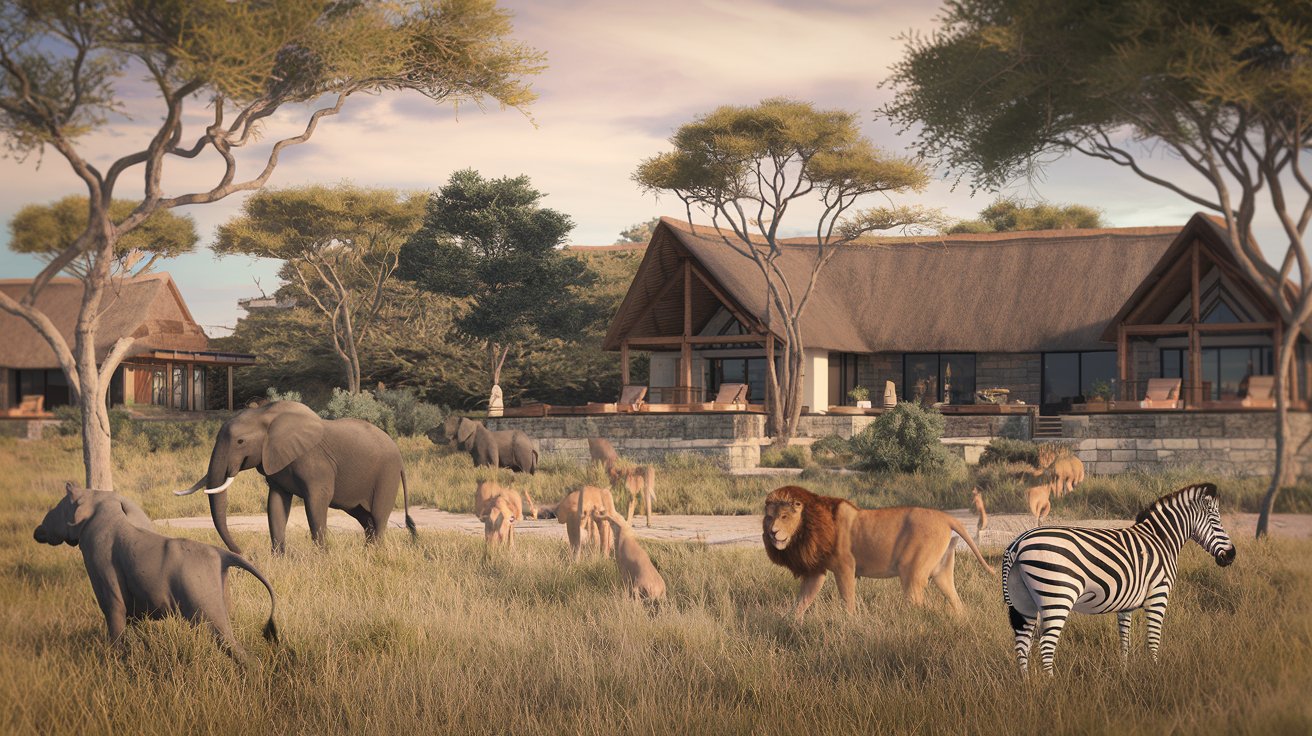
Luxury safari accommodations in Africa range from ultra-premium tented camps to exclusive private reserves with personalized service. Botswana’s Sandibe Okavango Safari Lodge offers intimate wildlife encounters in the Okavango Delta, while Kenya’s Angama Mara provides panoramic views of the Masai Mara’s wildlife spectacle. These premium lodges typically include private game drives, expert guides, gourmet dining, and spa services.
Tanzania’s Serengeti House and South Africa’s Royal Malewane represent the pinnacle of luxury safari experiences, with private airstrips, personal chefs, and exclusive wildlife concessions. Namibia’s Sossusvlei Lodge combines desert landscapes with luxury amenities, while Zanzibar’s Mnemba Island offers post-safari beach relaxation. Booking luxury lodges requires advance reservations, often 6-12 months ahead for peak seasons.
Botswana’s Exclusive Safari Camps
San Camp in Botswana offers a unique desert safari experience in the Kalahari, featuring traditional canvas pavilions and encounters with habituated meerkats. The camp limits guests to a maximum of 12, ensuring personalized service and exclusive wildlife experiences. Botswana Sky Beds provide open-air sleeping under pristine night skies, creating unforgettable memories for luxury safari travelers.
Kenya’s Premium Safari Accommodations
Kenya’s Cottars Safari Camp represents authentic luxury with vintage safari styling and exceptional service standards. Located in a private conservancy adjacent to the Masai Mara, the camp offers exclusive access to 6,000 acres of pristine wilderness. Bush Villa provides intimate family-style accommodations with private guides and customized safari itineraries.
Best Family-Friendly Safari Destinations in Africa
Choosing the best safari for families requires consideration of safety, accessibility, and age-appropriate activities. South Africa leads family safari destinations due to its excellent infrastructure, malaria-free options, and diverse activities beyond game drives. The Western Cape’s Garden Route combines wildlife viewing with beach activities, while the Eastern Cape offers malaria-free Big 5 experiences perfect for young children.
Kenya’s family-friendly lodges provide educational programs and cultural experiences with Masai communities, enhancing children’s understanding of African wildlife and cultures. Tanzania’s northern circuit offers shorter flight connections and family accommodations, though malaria precautions are necessary. Family safari experiences should include walking safaris, cultural visits, and conservation education programs to engage children of all ages.
Kenya vs Tanzania: Choosing Your Safari Destination
The debate over Kenya or Tanzania for safari depends on timing, budget, and personal preferences. Kenya’s Masai Mara offers easier accessibility with daily flights from Nairobi, while Tanzania’s Serengeti provides more remote wilderness experiences. Kenya generally offers more affordable safari options and established tourism infrastructure, making it ideal for first-time visitors and budget-conscious travelers.
Tanzania excels in providing authentic wilderness experiences with fewer crowds, particularly in the remote southern parks like Ruaha and Selous. The country’s vast protected areas cover 28% of the total land mass, compared to Kenya’s 8%, offering more pristine wildlife experiences. However, Tanzania’s safari costs typically run 20-30% higher than comparable Kenya experiences, with longer internal flights and higher park fees contributing to increased expenses.
Kenya’s Safari Advantages
Kenya’s safari advantages include year-round wildlife viewing, established tourism infrastructure, and diverse ecosystems within relatively short distances. The Great Migration river crossings at the Mara River provide spectacular wildlife drama from July to October. Kenya’s conservancy model supports community-based tourism while providing exclusive wildlife experiences away from crowded national parks.
Tanzania’s Unique Safari Experiences
Tanzania offers the most diverse safari experiences in Africa, from the Serengeti’s endless plains to Ngorongoro’s volcanic crater and Mount Kilimanjaro’s snow-capped peaks. The country hosts 35% of Africa’s large mammals and provides authentic wilderness experiences with minimal human impact. Tanzania’s southern parks remain largely undiscovered, offering exclusive wildlife encounters for adventurous travelers.
Best Time to Visit Africa for Safari
The best time for African safari varies by destination and wildlife interests. East Africa’s dry seasons (June-October and December-March) provide optimal game viewing as animals concentrate around water sources. The Great Migration follows predictable patterns, with calving season in Tanzania’s Serengeti (January-March) and river crossings in Kenya’s Masai Mara (July-October).
Southern Africa’s peak safari season runs from May to September during the dry winter months when vegetation is sparse and wildlife viewing is exceptional. Botswana’s Okavango Delta floods from May to September, creating unique water-based safari opportunities. Weather patterns and wildlife migrations should guide your safari timing decisions to maximize wildlife encounters and photographic opportunities.
Safari Costs and Budgeting for African Adventures
Safari costs in Africa range from budget camping trips at $150-300 per person per day to ultra-luxury experiences exceeding $2,000 per person per day. Mid-range safari lodges typically cost $400-800 per person per day, including accommodation, meals, and game drives. Flight costs from the United States to East Africa average $1,200-2,500, while internal flights within Africa add $200-600 per person per destination.
Budget travelers can reduce costs through camping safaris, group tours, and visiting during shoulder seasons. Luxury safari travelers should budget for gratuities (typically $20-30 per person per day), premium beverages, and spa services. Comprehensive safari packages often provide better value than individual bookings, particularly when including international flights, internal transfers, and accommodation in a single package.
Essential Safari Planning Tips for US Travelers
US travelers planning their first African safari should begin preparations 6-12 months in advance, particularly for peak season travel. Passport requirements include validity of at least six months beyond travel dates, with most African countries requiring tourist visas obtainable online or upon arrival. Travel insurance covering medical evacuation is essential, as quality healthcare may be limited in remote safari areas.
Packing essentials include neutral-colored clothing, sun protection, binoculars, and camera equipment with extra batteries and memory cards. Many luxury safari lodges provide laundry services, allowing travelers to pack lighter. Malaria prevention requires consultation with travel medicine specialists, with prophylactic medications recommended for most East African destinations. Yellow fever vaccination is mandatory for some countries and recommended for all sub-Saharan African travel.
Related video about Best safari in Africa
This video complements the article information with a practical visual demonstration.
What you should know
Which country in Africa has the best safari?
Kenya and Tanzania offer the best overall safari experiences, with Kenya excelling in accessibility and diverse wildlife viewing, while Tanzania provides vast wilderness areas and authentic experiences. Botswana leads in luxury safari experiences, and South Africa combines excellent wildlife with superior infrastructure and safety.
What is the safest country in Africa to go on a safari?
South Africa is considered the safest African safari destination, with excellent infrastructure, quality healthcare, and established tourism industry. Botswana and Namibia also maintain high safety standards, while Kenya and Tanzania are generally safe within established safari circuits with reputable operators.
Is Kenya or Tanzania better for safari?
Kenya offers better accessibility, established infrastructure, and generally lower costs, making it ideal for first-time visitors. Tanzania provides more authentic wilderness experiences with fewer crowds but at higher costs. Both countries offer excellent Big 5 viewing and Great Migration experiences during different seasons.
Where should I go for my first African safari?
First-time safari visitors should consider Kenya’s Masai Mara or South Africa’s Kruger National Park. These destinations offer excellent wildlife viewing, established infrastructure, English-speaking guides, and diverse accommodation options. Both provide comprehensive Big 5 experiences with reliable year-round game viewing opportunities.
How much does a luxury African safari cost?
Luxury African safaris typically cost $800-2,000+ per person per day, including premium accommodations, private game drives, and gourmet dining. Ultra-luxury experiences can exceed $3,000 per person per day. Total costs including international flights, internal transfers, and gratuities often range from $8,000-25,000 per person for week-long luxury safaris.
When is the best time to see the Great Migration?
The Great Migration offers different experiences year-round: calving season in Tanzania’s Serengeti (January-March), river crossings in Kenya’s Masai Mara (July-October), and various migration phases throughout the year. The most dramatic river crossings typically occur from July to September in the Masai Mara.
| Safari Destination | Best For | Peak Season | Daily Cost Range |
|---|---|---|---|
| Kenya (Masai Mara) | Great Migration, First-time visitors | July-October | $300-1,500 |
| Tanzania (Serengeti) | Authentic wilderness, Photography | June-September | $400-2,000 |
| Botswana (Okavango) | Luxury experiences, Water safaris | May-September | $600-3,000 |
| South Africa (Kruger) | Big 5, Families, Safety | May-September | $200-1,200 |