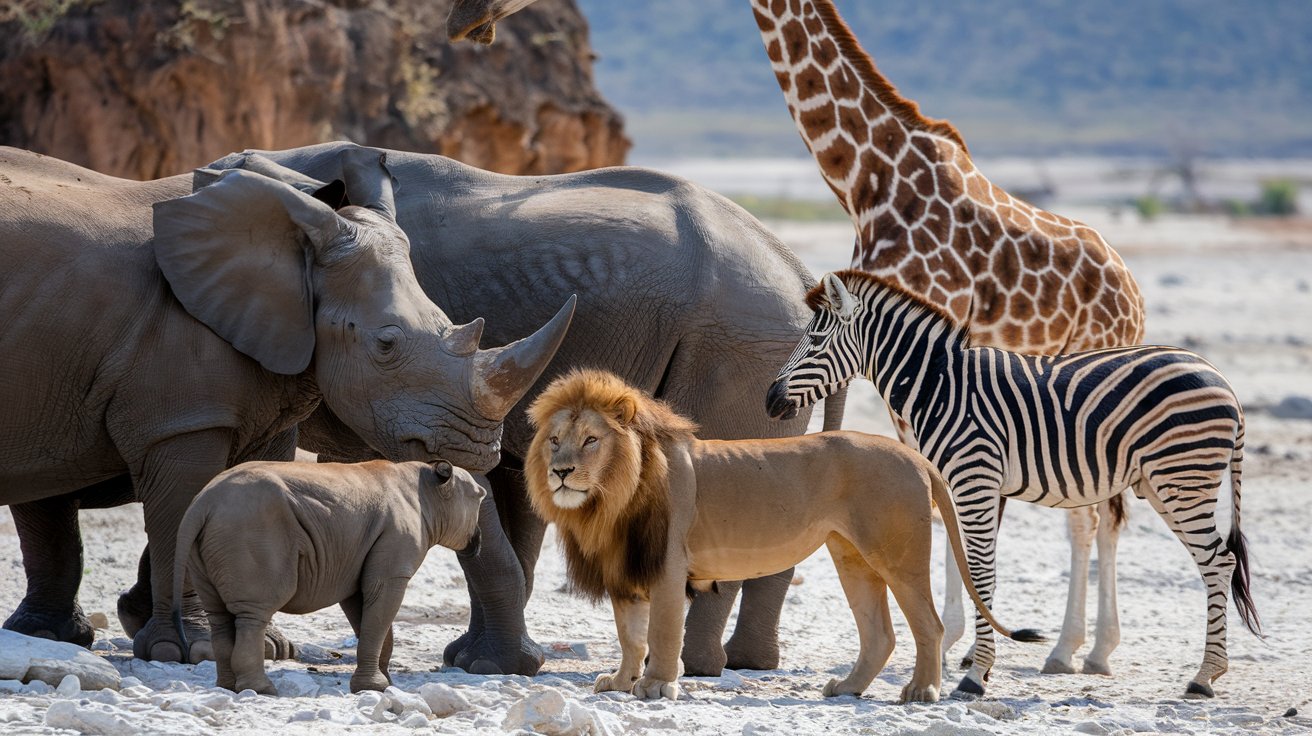
Kenya Safari Animals: Complete Wildlife Guide 2025 (Big 5+)
Kenya boasts over Kenya safari animals representing more than 1,000 vertebrate species across its diverse ecosystems. From the iconic Big 5 to rare endemic species, Kenya’s wildlife sanctuaries offer unparalleled safari experiences. This comprehensive guide reveals what animals you’ll encounter, where to find them, and essential viewing tips for your 2025 safari adventure.
What Are the Big 5 Animals in Kenya?
The big 5 animals in Kenya represent Africa’s most challenging and dangerous game to hunt historically, now protected conservation symbols. These magnificent creatures include the African lion, leopard, rhinoceros, elephant, and Cape buffalo. Kenya’s national parks host all Big 5 species, making it one of only seven African countries where visitors can potentially see all five during a single safari expedition.
Modern conservation efforts have transformed these once-hunted species into Kenya’s tourism ambassadors. The Maasai Mara National Reserve leads big 5 sightings with 95% success rates during peak seasons. Amboseli National Park follows closely, particularly renowned for its elephant populations against Mount Kilimanjaro’s backdrop. These statistics from Kenya Wildlife Service 2024 data show remarkable recovery numbers across protected areas.
African Lions in Kenya
Kenya hosts approximately 2,500 African lions across its national parks and conservancies. The Maasai Mara ecosystem supports the largest population with over 850 individuals, followed by Tsavo with 675 lions. These apex predators are most active during dawn and dusk hours, making early morning and late afternoon game drives optimal for sightings. Lions in Kenya live in prides averaging 15 individuals, significantly larger than other African regions.
Leopards and Viewing Opportunities
Kenya’s leopard population exceeds 8,000 individuals, though these solitary cats remain the most elusive Big 5 member. Aberdare National Park offers exceptional leopard viewing with specially designed hides and salt licks. These nocturnal hunters are known for their incredible climbing abilities and adaptability to various habitats from montane forests to semi-arid savannas.
Top 10 Kenya Safari Animals Beyond the Big 5
Kenya’s wildlife diversity extends far beyond the Big 5, with over 40 antelope species and numerous endemic birds. The Top 10 kenya safari animals include cheetahs, Grevy’s zebras, giraffes, hippos, wild dogs, hyenas, wildebeest, Thomson’s gazelles, warthogs, and Nile crocodiles. These species create dynamic ecosystems supporting Kenya’s position as Africa’s premier wildlife destination.
Cheetahs represent Kenya’s fastest land animal, reaching speeds up to 70 mph across open savannas. The Maasai Mara hosts 200+ cheetahs, offering visitors 60% viewing success rates during dry seasons. Grevy’s zebras, endangered with only 3,000 remaining globally, find sanctuary in northern Kenya’s Samburu ecosystem. These distinctive zebras feature narrower stripes and white bellies, distinguishing them from common plains zebras.
Giraffes and Unique Subspecies
Kenya hosts three distinct giraffe subspecies: Maasai, reticulated, and Rothschild’s giraffes. The endangered Rothschild’s giraffe population has recovered from 130 individuals in 1979 to over 2,800 in 2024 through intensive conservation programs. Lake Nakuru National Park serves as a primary sanctuary for these gentle giants, offering exceptional close-up viewing opportunities at the education center.
Hippos and Aquatic Wildlife
Hippos thrive in Kenya’s rivers and lakes, with Maasai Mara’s Mara River supporting over 4,000 individuals. These semi-aquatic mammals emerge at dusk to graze, consuming up to 150 pounds of grass nightly. Lake Naivasha hosts additional hippo populations alongside diverse birdlife, creating spectacular wildlife viewing from boat safaris and shoreline observation points.
Dangerous Animals in Kenya Safari Parks
Dangerous animals in Kenya require respectful distance and professional guide expertise during encounters. Cape buffalo tops the danger list with unpredictable temperaments and protective herd behaviors. These massive bovines weigh up to 1,900 pounds and charge at speeds reaching 35 mph when threatened. Tsavo National Parks host Kenya’s largest buffalo herds exceeding 12,000 individuals.
Nile crocodiles inhabit Kenya’s rivers and lakes, with specimens reaching 20 feet in length and weighing over 1,500 pounds. The Mara River crossing during wildebeest migration showcases these apex predators in action. Dangerous encounters remain rare with proper safety protocols, though visitors must maintain minimum distances of 25 meters from all large mammals per Kenya Wildlife Service regulations.
Venomous Snakes and Reptiles
Kenya hosts over 120 snake species, including venomous varieties like black mambas, puff adders, and Gaboon vipers. However, snake encounters during safari activities remain extremely rare, occurring in less than 2% of game drives. Professional guides carry emergency protocols and maintain radio contact with medical facilities. Most reptile sightings involve harmless species like pythons and monitor lizards.
Elephant Safety Considerations
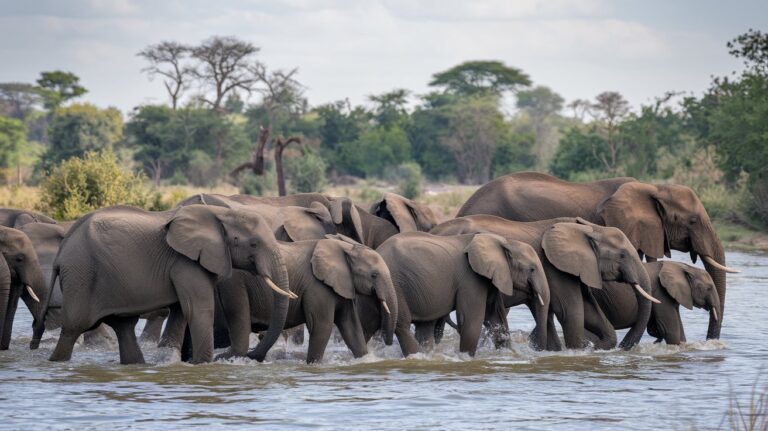
African elephants, while generally peaceful, become dangerous when protecting calves or during musth periods in males. Kenya’s 36,000 elephants represent East Africa’s largest population, with Amboseli and Tsavo ecosystems hosting the majority. Elephant charges are rare but serious, requiring immediate vehicle retreat to safety distances exceeding 50 meters during aggressive displays.
Kenya Animals by Ecosystem and Location
Kenya’s diverse ecosystems support specialized Kenya animals adapted to specific environments. The country’s 23 national parks and 28 national reserves protect habitats ranging from coastal forests to alpine moorlands. Each ecosystem hosts unique species assemblages, creating distinct safari experiences based on destination selection and seasonal timing.
Coastal regions support different animals than highland forests, with specialized species like golden-rumped elephant shrews and Aders’ duiker endemic to specific areas. Mountain ecosystems above 3,000 meters host rare species including Mount Kenya mouse shrew and Aberdare cisticola found nowhere else on Earth.
Savanna Wildlife Communities
Kenya’s savannas support the highest wildlife densities, with the Maasai Mara ecosystem hosting over 1.5 million animals during migration periods. Grassland species include numerous antelope varieties: Thomson’s and Grant’s gazelles, topi, hartebeest, and eland. These herbivores support predator populations through complex food webs spanning multiple trophic levels.
Forest and Mountain Species
Highland forests shelter unique Kenya safari animals including colobus monkeys, forest elephants, and giant forest hogs. Mount Kenya National Park protects 15 endemic vertebrate species found nowhere else globally. These montane ecosystems require specialized viewing techniques, with guided walking safaris offering intimate wildlife encounters impossible during traditional vehicle-based game drives.
Best Times to See Kenya Safari Animals
Optimal wildlife viewing in kenya depends on species behavior, migration patterns, and seasonal weather variations. Dry seasons from June through October and December through March offer superior game viewing with animals concentrating near permanent water sources. The Great Migration typically occurs July through October in the Maasai Mara, featuring over 2 million wildebeest, zebras, and gazelles.
Dawn and dusk hours provide peak animal activity periods when temperatures moderate and predators become active. Most Kenya safari animals rest during midday heat, making early morning starts and late afternoon drives essential. Night drives in conservancies reveal nocturnal species rarely seen during daylight hours, including aardvarks, pangolins, and various small carnivores.
Conservation Success Stories in Kenya
Kenya’s conservation achievements include remarkable species recoveries through community-based programs and international partnerships. Black rhino populations have increased from 230 individuals in 1986 to over 840 in 2024, representing Africa’s greatest conservation success story. White rhino numbers have grown from zero to 1,200 through strategic translocations from South Africa.
Conservation in Kenya extends beyond charismatic megafauna to include habitat restoration, anti-poaching initiatives, and community benefits sharing. The Maasai Mara conservancies model demonstrates how tourism revenue directly benefits local communities while protecting wildlife corridors. These programs have increased wildlife populations by 95% within conservancy boundaries compared to unprotected areas.
Photography Tips for Kenya Safari Animals
Successful Kenya safari animals pictures require understanding animal behavior, optimal lighting conditions, and proper equipment selection. Golden hour photography during sunrise and sunset creates dramatic lighting for memorable wildlife portraits. Telephoto lenses exceeding 400mm focal length enable safe distance photography while maintaining image quality for detailed animal documentation.
Action photography during predator hunts or migration crossings demands fast shutter speeds exceeding 1/1000 second. Professional guides position vehicles for optimal angles while respecting wildlife welfare and park regulations. Kenya safari animals pictures achieve maximum impact when capturing natural behaviors rather than static poses, requiring patience and timing coordination with experienced local guides.
Related video about Kenya safari animals
This video complements the article information with a practical visual demonstration.
Important things to know about kenya safari animals
What animals do you see on safari in Kenya?
Kenya safaris offer sightings of over 1,000 vertebrate species including the Big 5 (lions, leopards, elephants, rhinos, buffalo), cheetahs, giraffes, hippos, zebras, wildebeest, and numerous antelope species. The Maasai Mara alone hosts 95 mammal species and over 570 bird species, creating diverse wildlife viewing opportunities throughout the year.
What are the big 5 animals in Kenya?
Kenya’s Big 5 animals are the African lion, leopard, rhinoceros (both black and white), African elephant, and Cape buffalo. These species were originally named for being the most dangerous and challenging to hunt, but now represent Kenya’s most sought-after safari sightings. All Big 5 species can be found in major parks like Maasai Mara, Amboseli, and Tsavo.
What animal is Kenya known for?
Kenya is most famous for its role in the Great Wildebeest Migration, featuring over 2 million animals crossing the Mara River annually. Additionally, Kenya is renowned for its elephant populations, particularly the large tusked elephants of Amboseli National Park, and its successful black rhino conservation programs that have tripled populations since 1986.
Which parks offer the best Kenya safari animal viewing?
Maasai Mara National Reserve leads with 95% Big 5 success rates and hosts the Great Migration. Amboseli National Park excels for elephant photography against Mount Kilimanjaro. Samburu National Reserve showcases unique northern species like Grevy’s zebras and reticulated giraffes. Tsavo offers vast wilderness experiences with large elephant and buffalo herds.
Are there dangerous animals in Kenya safaris?
Kenya safari animals include potentially dangerous species like Cape buffalo, elephants, lions, and Nile crocodiles. However, professional guides maintain strict safety protocols, and dangerous encounters remain extremely rare with less than 0.01% incident rates. Visitors must maintain minimum 25-meter distances from large mammals and follow guide instructions at all times.
When is the best time to see Kenya safari animals?
Dry seasons from June-October and December-March offer optimal wildlife viewing as animals concentrate near water sources. The Great Migration occurs July-October in Maasai Mara. Early morning (6-10 AM) and late afternoon (3-7 PM) provide peak animal activity periods when temperatures are moderate and predators are most active.
| Animal Category | Key Species | Best Viewing Location |
|---|---|---|
| Big 5 | Lion, Leopard, Elephant, Rhino, Buffalo | Maasai Mara National Reserve |
| Predators | Cheetah, Wild Dog, Hyena | Laikipia and Northern Kenya |
| Herbivores | Giraffe, Zebra, Antelope Species | Samburu and Tsavo National Parks |
| Aquatic Species | Hippo, Crocodile, Water Birds | Lake Naivasha and Mara River |
| Endemic Species | Grevy’s Zebra, Hirola Antelope | Northern Kenya Conservancies |