Kenya Safari Best Time: Complete 2025 Travel Guide
Planning your Kenya safari requires understanding the optimal timing for wildlife viewing, weather conditions, and migration patterns. The best time to visit Kenya for safari depends on your priorities: witnessing the Great Migration, enjoying favorable weather, or experiencing peak wildlife activity across renowned parks like Masai Mara and Amboseli.
Kenya Safari Peak Seasons: Dry vs Wet Periods
Kenya’s safari seasons are primarily divided into two distinct periods that significantly impact wildlife viewing and travel conditions. The dry season from June to October represents the peak safari period, offering exceptional wildlife concentrations around water sources and clearer access roads. During this time, vegetation is sparse, making animal spotting significantly easier for visitors.
The wet season from November to May brings lush landscapes and fewer crowds but presents challenges with muddy roads and scattered wildlife. However, this period offers unique advantages including lower accommodation rates, dramatic scenery, and the calving season for many species. Understanding these seasonal variations helps optimize your Kenya safari experience based on personal preferences and budget considerations.
June to October Dry Season Advantages
The dry season in Kenya delivers optimal safari conditions with minimal rainfall and concentrated wildlife around permanent water sources. Animals gather at rivers and watering holes, creating spectacular viewing opportunities throughout major parks. Road conditions remain excellent, ensuring reliable access to remote areas and consistent game drive schedules without weather-related cancellations.
November to May Wet Season Benefits
Kenya’s wet season transforms the landscape into lush green savannas while offering significant cost savings on accommodations and flights from the United States. The period from December to March provides excellent wildlife viewing with fewer tourists, though the April-May long rains can limit accessibility. This season coincides with the calving season for wildebeest and other species, offering unique photographic opportunities.
Great Migration Timing in Kenya
The Great Migration in Kenya occurs primarily from July through September when over 1.5 million wildebeest and zebras cross into the Masai Mara from Tanzania’s Serengeti. This spectacular wildlife event represents one of nature’s most dramatic phenomena, with river crossings at the Mara River creating unforgettable safari moments for visitors.
Peak migration viewing occurs from August to early September, though timing can vary annually based on rainfall patterns and grass quality. The herds typically remain in the Masai Mara until October before beginning their journey south. Booking accommodations during this period requires advance planning, as migration season represents the highest demand period for Kenya safari tourism.
Best Time to Visit Kenya by Major Parks
Each Kenya national park offers unique seasonal advantages for wildlife viewing and visitor experiences. Understanding park-specific timing helps maximize your safari investment and ensures optimal conditions for your preferred activities and wildlife interests.
Masai Mara National Reserve Optimal Timing
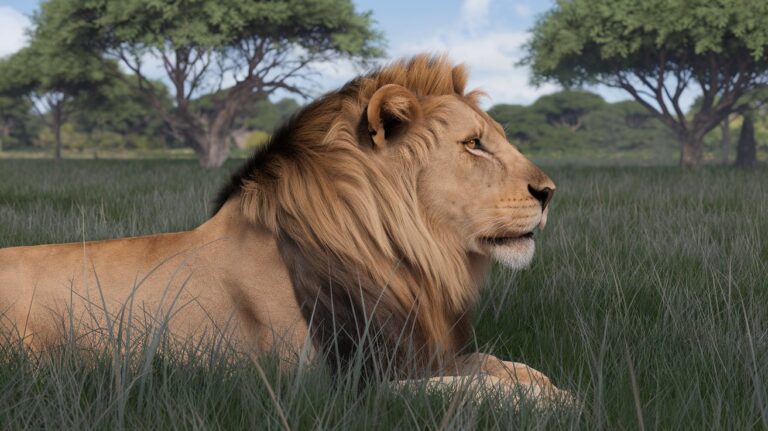
The Masai Mara delivers exceptional wildlife viewing year-round, with peak periods from July to October during the Great Migration. The reserve maintains resident populations of lions, leopards, cheetahs, and elephants throughout the year, ensuring excellent game viewing even outside migration season. The best month to visit Masai Mara is August when migration herds peak and weather conditions remain favorable.
Amboseli National Park Seasonal Guide
Amboseli National Park offers year-round elephant viewing with Mount Kilimanjaro providing a stunning backdrop for photography. The dry season from June to October provides clearer mountain views and concentrated wildlife around swamps. The wet season transforms Amboseli into a green oasis, though mountain views may be obscured by clouds during afternoon hours.
Tsavo National Parks Best Periods
Tsavo East and West National Parks offer excellent wildlife viewing from June through March, avoiding the heavy rains of April and May. These parks feature diverse ecosystems and the famous red elephants of Tsavo, with optimal viewing conditions during the dry season when animals concentrate around water sources throughout the vast wilderness areas.
Monthly Weather Guide for Kenya Safari
Understanding Kenya’s monthly weather patterns helps optimize your safari planning and packing decisions. Each month presents distinct advantages and challenges for wildlife viewing, photography, and overall travel comfort across different regions of the country.
June to August Prime Safari Months
June through August represents Kenya’s peak safari season with minimal rainfall, clear skies, and exceptional wildlife viewing conditions. Temperatures remain comfortable with cool mornings and warm afternoons, ideal for extended game drives. This period coincides with the beginning of the Great Migration, making it the best time for Kenya safari experiences.
September to November Transition Period
September offers continuation of excellent safari conditions with migration herds still present in the Masai Mara. October marks the beginning of the short rains, which can enhance landscape beauty while maintaining good wildlife viewing. November represents a transitional month with intermittent rains and reduced tourist numbers, offering value-conscious travelers excellent Kenya safari packages at lower rates.
Wildlife Viewing Calendar Throughout the Year
Kenya’s diverse ecosystems support year-round wildlife viewing opportunities, with seasonal variations affecting animal behavior and distribution patterns. Understanding these cycles helps visitors align their travel timing with specific wildlife interests and photographic goals.
The calving season from January to March brings newborn animals across various species, creating tender moments and predator-prey interactions that enhance safari experiences. Bird migration peaks from November to April, adding over 400 species to Kenya’s resident bird population and creating exceptional opportunities for ornithologists and nature photographers.
Cost Considerations and Booking Strategies
Safari costs in Kenya vary significantly based on seasonal demand, with peak season rates from July to October commanding premium pricing for accommodations and tour packages. Budget-conscious travelers can achieve substantial savings by planning visits during shoulder seasons while still enjoying excellent wildlife viewing opportunities.
Booking Kenya safari packages 6-9 months in advance ensures availability during peak periods and allows for better rate negotiations. Many operators offer early bird discounts for bookings made before March for the following season, providing savings of 15-25% on total package costs for United States travelers.
Combined Kenya and Tanzania Safari Timing
Many visitors combine Kenya and Tanzania safaris to experience both countries’ unique wildlife offerings and natural wonders. The best time to visit Kenya and Tanzania together spans from June to October when both countries offer optimal wildlife viewing conditions and favorable weather patterns for extended travel.
Cross-border migration movements between the Serengeti and Masai Mara create opportunities to follow the herds throughout their annual cycle. Planning a combined safari requires understanding visa requirements, border crossing procedures, and seasonal variations in both countries to maximize wildlife encounters and minimize travel complications.
Related video about Kenya safari best time
This video complements the article information with a practical visual demonstration.
Essential Q&A about kenya safari best time
What is the best month to do a safari in Kenya?
August represents the optimal month for Kenya safari experiences, combining peak Great Migration activity with excellent weather conditions and abundant wildlife viewing opportunities. During August, over 1.5 million wildebeest and zebras concentrate in the Masai Mara, while dry conditions ensure excellent road access and clear visibility for photography throughout all major national parks.
Which is the best month to visit Masai Mara?
August is the premier month for visiting Masai Mara, coinciding with peak Great Migration river crossings and optimal weather conditions. The month offers the highest concentration of wildlife, dramatic predator-prey interactions, and clear skies for photography. However, expect premium pricing and advance booking requirements due to high international demand during this peak period.
When to see the great migration in Kenya?
The Great Migration occurs in Kenya from July through September, with peak viewing from mid-July to early September. River crossings at the Mara River typically happen throughout August and early September, though exact timing varies annually based on rainfall patterns. The herds usually remain in the Masai Mara until October before migrating south to Tanzania.
Is November a good time to visit Kenya?
November offers excellent value for Kenya safaris with significantly lower costs, fewer crowds, and good wildlife viewing conditions. The short rains begin in November, creating lush landscapes and active wildlife behavior. While occasional afternoon showers may occur, morning game drives typically remain unaffected, and accommodation rates can be 40-50% lower than peak season pricing.
What is the worst time to visit Kenya for safari?
April and May represent the most challenging months for Kenya safari due to heavy long rains that can make roads impassable and wildlife viewing difficult. Many camps and lodges close during this period, and flight schedules may be disrupted. However, this period offers the lowest rates and most dramatic landscapes for photographers willing to accept weather-related limitations.
Best time to visit Kenya for migration viewing?
July through September provides optimal Great Migration viewing in Kenya, with August offering peak river crossing activities. The migration timing can vary by 2-3 weeks annually based on rainfall patterns in Tanzania and grass quality in the Masai Mara. Booking accommodations 8-12 months in advance is recommended for migration season visits.
| Season | Wildlife Viewing | Key Benefits |
|---|---|---|
| June-October Dry | Excellent concentrated viewing | Great Migration, clear roads, predictable weather |
| November-March Wet | Good with green landscapes | Lower costs, calving season, fewer crowds |
| April-May Long Rains | Limited due to heavy rains | Lowest prices, dramatic scenery, closed camps |