Kenya Beach Holidays: Complete Guide to East Africa’s Coast
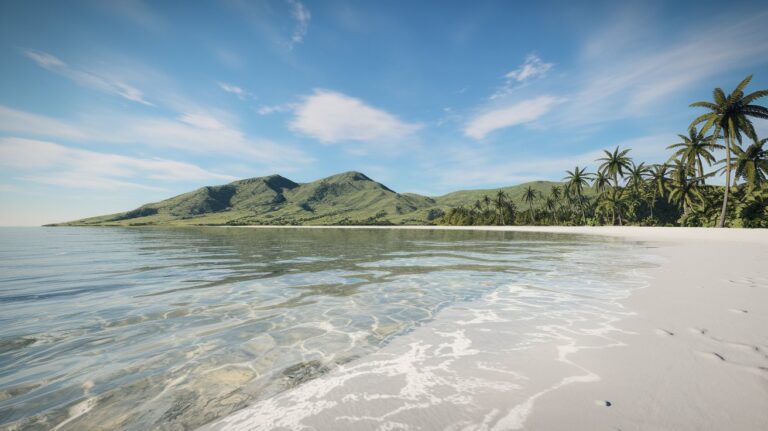
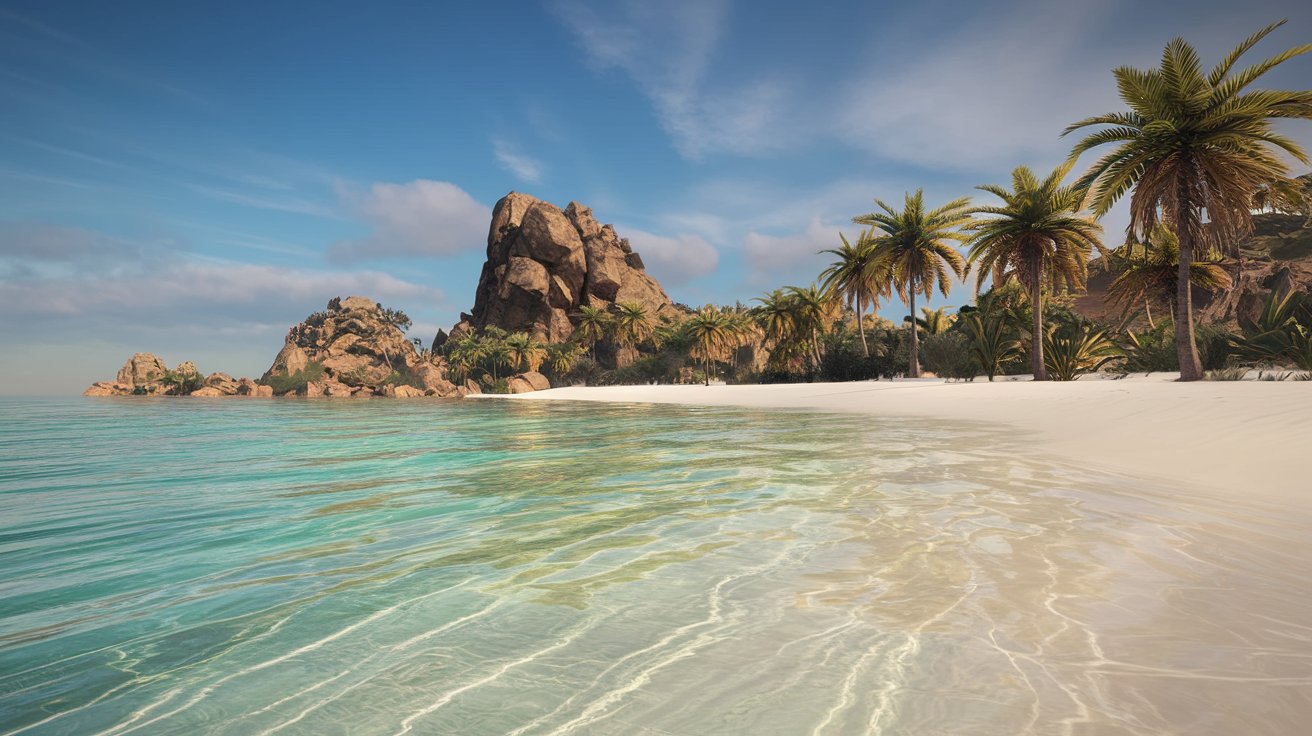
Kenya beach holidays offer some of East Africa’s most spectacular coastal experiences, combining pristine white sand beaches with rich Swahili culture and world-class marine life. From the vibrant shores of Mombasa to the secluded paradise of Watamu, Kenya’s 300-mile coastline provides unforgettable tropical getaways for American travelers seeking authentic African beach experiences.
Why Kenya is Perfect for Beach Holidays
Kenya’s beaches consistently rank among Africa’s top coastal destinations, offering year-round tropical temperatures averaging 80-85°F and crystal-clear waters of the Indian Ocean. The country’s coastal region boasts over 25 pristine beaches, each with unique characteristics from bustling resort areas to untouched wilderness coastlines. American visitors particularly appreciate Kenya’s stable tourism infrastructure, English-speaking locals, and direct flight connections through major hubs.
The Kenyan coast provides exceptional value compared to other tropical destinations, with luxury beach resorts starting at $150-300 per night in 2025. Unlike many Caribbean or Pacific destinations, Kenya beach holidays combine coastal relaxation with incredible wildlife experiences, allowing visitors to enjoy both safari adventures and beach time in a single trip. The region’s rich Swahili heritage adds cultural depth often missing from typical beach destinations.
Pristine Beaches and Marine Life
Kenya’s coral reefs harbor over 200 species of coral and 1,000 fish species, making it one of the Indian Ocean’s premier snorkeling and diving destinations. The protected Watamu Marine National Park and Malindi Marine National Reserve offer some of the world’s most accessible coral gardens, with visibility often exceeding 100 feet. Sea turtle nesting sites along the coast provide unique wildlife viewing opportunities from October through February.
Luxury Accommodations and Amenities
Kenya’s beach resorts range from intimate boutique properties to all-inclusive luxury compounds, with many featuring private beach access, world-class spas, and championship golf courses. Properties like Hemingways Watamu and Alfajiri Villas consistently earn international recognition for service excellence. Most luxury resorts offer comprehensive water sports facilities, including deep-sea fishing, kitesurfing, and traditional dhow sailing experiences.
Best Time to Visit Kenya’s Beaches
The best months for Kenya beach holidays are June through March, avoiding only the heavy rains of April and May. Peak season runs from December through March and July through August, when temperatures are most comfortable and rainfall minimal. American travelers often prefer visiting during December through February, coinciding with winter breaks and offering the driest conditions for beach activities.
Kenya’s coastal climate remains remarkably consistent year-round, with sea temperatures staying between 77-82°F throughout the year. The northeast monsoon season (November-March) brings calm seas perfect for swimming and water sports, while the southeast monsoon (April-October) creates ideal conditions for kite surfing and sailing. Even during the rainy season, showers are typically brief afternoon storms that clear quickly.
Peak Season Benefits (December-March)
During peak season, Kenya’s beaches experience their driest conditions with less than 2 inches of monthly rainfall and constant sunshine. This period offers the calmest seas, perfect for families with children and non-swimmers. However, accommodation prices increase by 40-60% during peak periods, and popular beaches can become crowded, especially around Christmas and New Year.
Shoulder Season Advantages (June-November)
The shoulder season provides excellent value with accommodation rates 30-50% lower than peak periods while still offering good weather conditions. September through November is particularly attractive, with warm temperatures, moderate rainfall, and fewer crowds. This period is ideal for travelers seeking a more authentic experience with greater interaction opportunities with local communities.
Top Kenya Beach Destinations
Watamu stands as Kenya’s premier beach destination, featuring three pristine bays protected by coral reefs and designated as a UNESCO Biosphere Reserve. The area offers some of East Africa’s best snorkeling and diving, with the nearby Arabuko Sokoke Forest providing unique eco-tourism opportunities. Watamu’s beaches consistently rank in travel publications’ top African beach lists for their powder-white sand and turquoise waters.
Diani Beach, located south of Mombasa, stretches for over 10 miles and offers the most developed tourism infrastructure on Kenya’s coast. The beach features numerous luxury resorts, restaurants, and activity centers while maintaining its natural beauty with coconut palm groves and pristine coral reefs. Diani is particularly popular with American families due to its safe swimming conditions and extensive amenities.
Mombasa: Gateway to Coastal Kenya
Mombasa serves as Kenya’s main coastal hub, offering direct international flights and the most extensive accommodation options. The city combines modern beach resorts with historic attractions like Fort Jesus and the Old Town’s Swahili architecture. Mombasa beaches include Nyali, Bamburi, and Shanzu, each offering different atmospheres from bustling resort areas to quieter family-friendly stretches.
Malindi: Cultural Heritage and Marine Parks
Malindi offers a unique blend of Italian influences, Swahili culture, and pristine marine environments. The town features excellent restaurants, vibrant nightlife, and easy access to Malindi Marine National Park. Malindi’s beaches are less developed than other major destinations, appealing to travelers seeking a more authentic coastal experience with significant cultural attractions.
Kenya vs Zanzibar Beach Comparison
When comparing Kenya beaches to Zanzibar, Kenya offers superior infrastructure, more diverse activities, and easier accessibility for American travelers. Kenya’s coastal resorts provide more luxury options and better service standards, while Zanzibar focuses more on boutique properties and cultural immersion. Kenya’s beaches also offer better integration with safari experiences, allowing visitors to combine wildlife viewing with beach relaxation in a single trip.
Kenya’s coral reefs are generally healthier and more diverse than many Zanzibar sites, offering superior snorkeling and diving experiences. The Kenyan coast also provides more reliable weather patterns and less crowded beaches outside peak season. While Zanzibar has historical significance, Kenya’s coastal region offers more varied experiences from marine parks to cultural sites and modern resort amenities.
Cost Comparison and Value
Kenya beach holidays typically cost 20-30% less than comparable Zanzibar experiences, with better value for money in accommodation, dining, and activities. Kenya offers more all-inclusive resort options, making budget planning easier for American families. Transportation within Kenya is also more efficient and cost-effective than island hopping in the Zanzibar archipelago.
Activity and Excursion Options
Kenya provides significantly more activity options than Zanzibar, including world-class deep-sea fishing, multiple marine parks, cultural villages, and easy safari combinations. The proximity to Tsavo National Parks allows for convenient wildlife viewing excursions. Water sports facilities are more developed in Kenya, with better equipment and instruction available for activities like kitesurfing and windsurfing.
Essential Planning Tips for American Travelers
American travelers need a valid passport and Kenyan visa, which can be obtained online through the eTA system for $51 as of 2025. Most major health insurance plans don’t cover Kenya, so travel insurance is strongly recommended. Yellow fever vaccination is not required for direct flights from the US, but malaria prophylaxis is recommended for coastal areas.
Direct flights from the US to Kenya are available through Qatar Airways, KLM, and other major carriers, typically routing through Doha or Amsterdam. Flight times average 18-22 hours including connections. Currency exchange is best done in Kenya, as US dollars are widely accepted at hotels and tourist establishments. Credit cards are accepted at most upscale establishments, but cash is needed for local markets and small vendors.
Activities and Excursions
Water sports dominate Kenya beach activities, with world-class deep-sea fishing offering opportunities to catch marlin, sailfish, and tuna. The Kenya coast is particularly renowned for its dhow sailing experiences, where traditional Arab sailing vessels provide sunset cruises and cultural immersion. Snorkeling and diving in Kenya’s marine parks reveal pristine coral gardens, sea turtle nesting sites, and over 1,000 species of tropical fish.
Cultural excursions include visits to Swahili villages where visitors can learn traditional crafts, enjoy local cuisine, and participate in cultural ceremonies. The nearby Arabuko Sokoke Forest offers unique wildlife viewing with rare endemic species like the golden-rumped elephant shrew. Kenya beach holidays also provide easy access to short safari experiences in Tsavo East and West National Parks, located just three hours from the coast.
Related video about Kenya beach holidays
This video complements the article information with a practical visual demonstration.
Key Questions and Answers
Is Kenya good for a beach holiday?
Yes, Kenya is excellent for beach holidays, offering pristine white sand beaches, world-class coral reefs, and luxury resorts along 300 miles of Indian Ocean coastline. The country provides superior infrastructure, English-speaking locals, and exceptional value compared to other tropical destinations, making it ideal for American travelers.
When is the best time to visit Kenya beaches?
The best time to visit Kenya beaches is June through March, avoiding only the heavy rains of April and May. Peak conditions occur December through February with minimal rainfall and calm seas, while September through November offers excellent weather with lower accommodation rates and fewer crowds.
Which is better, Kenya or Zanzibar beaches?
Kenya beaches generally offer better value, superior infrastructure, and more diverse activities than Zanzibar. Kenya provides healthier coral reefs, more luxury resort options, easier accessibility for Americans, and better integration with safari experiences, typically costing 20-30% less than comparable Zanzibar holidays.
What is the best month to go to Kenya for beaches?
January and February are the best months for Kenya beaches, offering the driest conditions, calmest seas, and most sunshine. December and March are also excellent, though slightly busier. For better value with still good weather, consider September through November when accommodation rates are 30-50% lower.
Do I need vaccinations for Kenya beach holidays?
Yellow fever vaccination is not required for direct flights from the US to Kenya, but malaria prophylaxis is recommended for coastal areas. Routine vaccinations should be up-to-date, and travel insurance is strongly recommended as most US health insurance plans don’t cover Kenya.
How much do Kenya beach holidays cost for Americans?
Kenya beach holidays for Americans typically cost $200-400 per person per day including accommodation, meals, and activities. Luxury resorts range from $150-300 per night in 2025, while mid-range options start around $80-120. The destination offers excellent value compared to Caribbean or Pacific alternatives.
| Aspect | Kenya Beach Details | Traveler Benefit |
|---|---|---|
| Best Season | December-March peak, June-November value | Year-round options for every budget |
| Top Destinations | Watamu, Diani, Malindi, Mombasa | Diverse experiences from luxury to cultural |
| Marine Life | 200+ coral species, 1000+ fish species | World-class snorkeling and diving |
| Cost Range | $200-400 per person per day all-inclusive | Excellent value vs Caribbean alternatives |
| Accessibility | Direct international flights to Mombasa | Easy travel from US with English spoken |