Namibia Skeleton Coast Guide 2025: Shipwrecks, Wildlife & Tours
The Namibia Skeleton Coast stands as one of Earth’s most haunting yet spectacular destinations, stretching 500 kilometers along Africa’s southwestern Atlantic shore. Known as the world’s largest ship cemetery, this treacherous coastline has claimed over 1,000 vessels throughout history, earning its ominous name from the countless whale bones and shipwrecks scattered across its desolate beaches.
Why Is Namibia Called the Skeleton Coast
The Skeleton Coast earned its macabre name from Portuguese sailors who called it “As Areias do Inferno” (The Sands of Hell). The coastline is littered with whale bones from historical whaling operations and the skeletal remains of countless shipwrecked vessels. The treacherous combination of dense Atlantic fog, powerful Benguela Current, and unpredictable winds created a maritime graveyard that claimed ships for centuries.
Beyond shipwrecks, the skeleton coast facts reveal that early explorers also found human and animal skeletons scattered across the harsh desert landscape. The unforgiving environment, where scorching desert meets frigid Atlantic waters, created conditions where survival was nearly impossible for those unfortunate enough to wash ashore after shipwrecks.
The World’s Largest Ship Cemetery
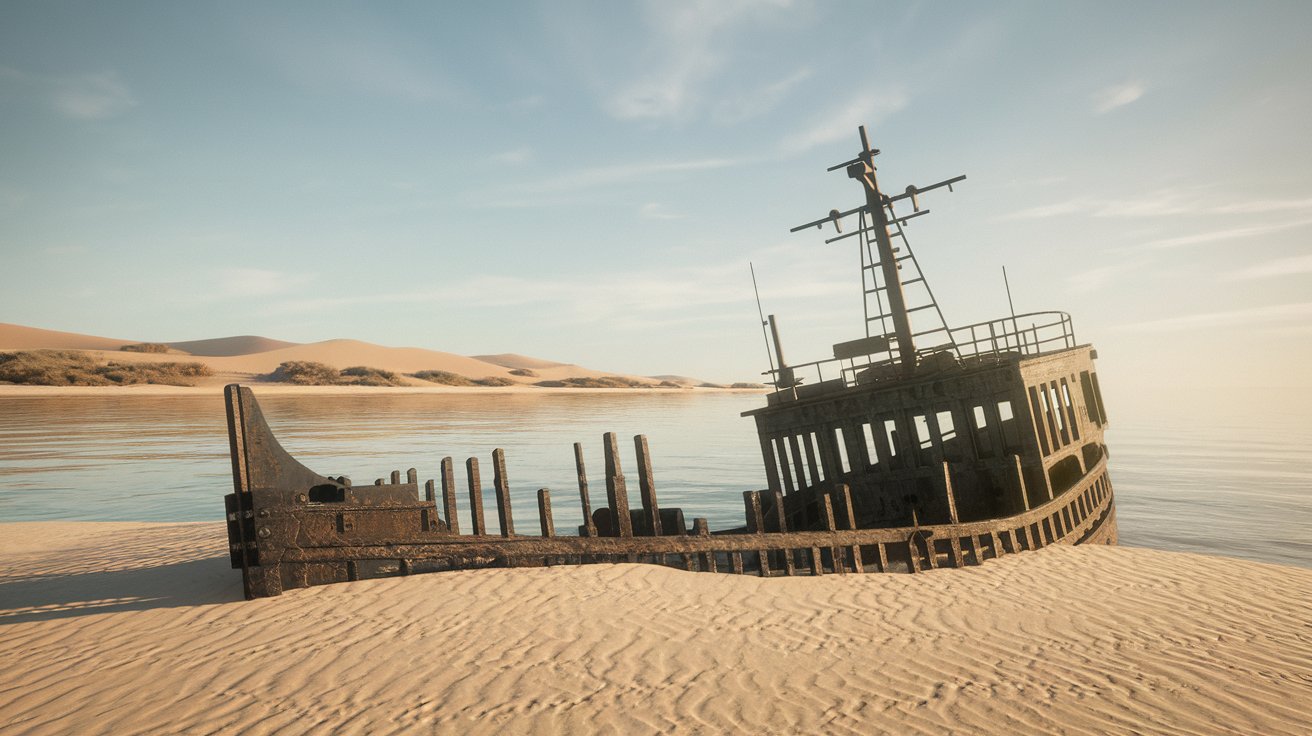
The Namibia Skeleton Coast shipwrecks number over 1,000 documented vessels, making it the largest ship graveyard on Earth. From Portuguese caravels of the 1600s to modern fishing trawlers, this coastline has claimed vessels of every era. The dense fog banks, created when the cold Benguela Current meets warm desert air, reduce visibility to mere meters, causing ships to run aground on hidden sandbanks.
Notable wrecks include the Eduard Bohlen, stranded 400 meters inland due to shifting sands, and the Dunedin Star, whose 1942 wreck led to one of maritime history’s most dramatic rescue operations. These shipwrecks now serve as haunting monuments to the coast’s deadly reputation and attract photographers and adventure seekers from around the world.
Famous Shipwreck Sites and Their Stories
The Skeleton Coast shipwrecks map reveals concentrations of wrecks at specific danger points. The Zeila, a 1960s fishing vessel, sits perfectly preserved near Henties Bay, while the Montrose lies scattered across the beach at Conception Bay. Each shipwreck tells a unique story of maritime disaster, with some vessels now serving as artificial reefs that support marine ecosystems in this otherwise barren underwater landscape.
Impact of Ocean Currents on Maritime Disasters
The deadly combination of the northward-flowing Benguela Current and southwesterly winds creates a maritime trap along the Skeleton Coast. Ships caught in these currents find themselves pushed toward shore with little hope of escape. The cold current also generates thick fog banks that can persist for days, making navigation extremely hazardous even with modern GPS technology.
Why Is Skeleton Coast Dangerous
The Skeleton Coast dangerous reputation stems from multiple environmental factors working in deadly combination. Dense fog reduces visibility to zero, while powerful cross-currents make navigation treacherous. The coastline features no natural harbors or safe landing spots, and the desert interior offers no water sources or shelter for survivors of shipwrecks.
Modern dangers include unpredictable weather patterns, extreme temperature variations between scorching days and freezing nights, and complete isolation from emergency services. The coast remains largely uninhabited except for small Himba settlements, meaning rescue operations can take days to organize and execute, making survival extremely challenging for anyone stranded in this hostile environment.
Skeleton Coast National Park Wildlife Encounters
Despite its harsh reputation, Skeleton Coast Africa supports remarkable wildlife adapted to extreme conditions. Desert-adapted elephants traverse the coastal plains, while black rhinoceros populations have recovered significantly since conservation efforts began. The park protects one of Africa’s last free-roaming populations of these endangered giants.
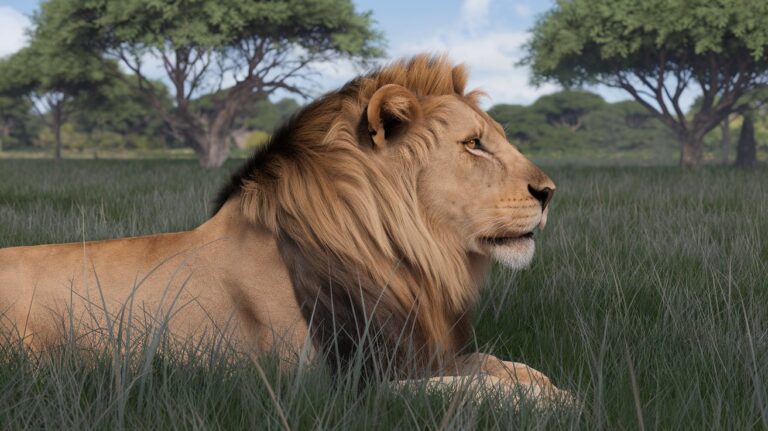
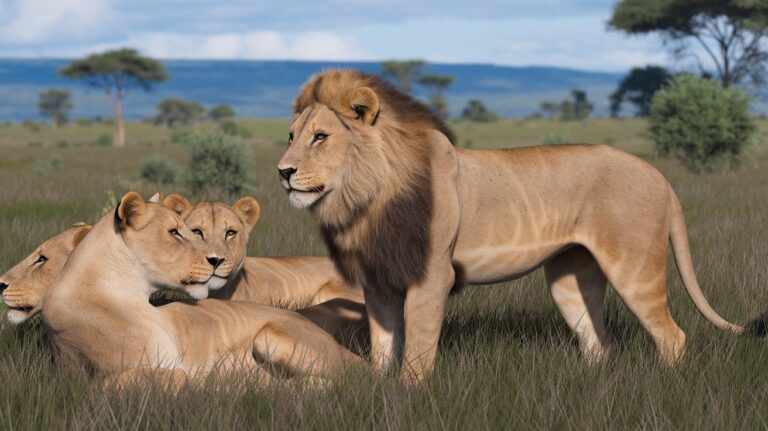
The cold Benguela Current creates an upwelling system that supports massive seal colonies, particularly at Cape Cross where over 100,000 Cape fur seals breed annually. These colonies attract predators including brown hyenas, jackals, and occasionally lions that have adapted to coastal hunting. The contrast between barren landscape and abundant marine life makes visiting this region a unique wildlife experience.
Desert-Adapted Elephant Populations
The Namibia desert elephants represent one of only two populations worldwide adapted to arid conditions. These elephants have developed unique behaviors including longer migrations between water sources, smaller family groups, and specialized feeding patterns. They can survive without water for up to four days while traveling between the Skeleton Coast and inland water sources.
Marine Wildlife and Seal Colonies
Cape Cross Seal Reserve hosts one of the world’s largest Cape fur seal colonies, with populations reaching 200,000 individuals during peak breeding season. The nutrient-rich waters support diverse marine life including dolphins, whales, and various seabird species. These marine ecosystems thrive despite the skeleton coast’s terrestrial harshness, creating unique wildlife viewing opportunities.
How to Get to Skeleton Coast Namibia
Reaching the Skeleton Coast requires careful planning as the region remains largely inaccessible by conventional transport. The primary access point is through Windhoek, Namibia’s capital, where visitors can arrange fly-in safaris to remote airstrips within the national park. Most tour operators offer small aircraft transfers that provide spectacular aerial views of the coastline and shipwrecks.
Self-drive adventures are possible to the southern sections via the C34 coastal road from Swakopmund, but northern areas require four-wheel-drive vehicles and proper permits. The journey from Swakopmund to Henties Bay takes approximately two hours, while reaching the northern Skeleton Coast requires expedition-level preparation and experienced guides due to challenging terrain and navigation difficulties.
Namibia Skeleton Coast Things to Do
Adventure activities along the Skeleton Coast cater to thrill-seekers and nature enthusiasts alike. Scenic flights offer unparalleled views of shipwrecks, seal colonies, and desert landscapes from unique aerial perspectives. Quad biking across massive sand dunes provides adrenaline-pumping experiences, while guided walks reveal hidden desert ecosystems and archaeological sites.
Photography tours focus on capturing the dramatic contrast between ocean and desert, with professional guides leading visitors to optimal viewpoints during golden hour lighting. Fishing enthusiasts can experience surf angling for species like steenbras and kob, though the challenging conditions require experienced local guides. Cultural encounters with Himba communities offer insights into traditional desert survival techniques and ancient customs.
Scenic Flight Adventures and Aerial Photography
Scenic flights from Swakopmund or Walvis Bay provide the most comprehensive Skeleton Coast experience, covering shipwrecks, seal colonies, and geological formations in 2-3 hour tours. Professional pilots navigate to specific wreck sites while providing historical commentary. These flights often extend inland to showcase the dramatic meeting point where desert dunes cascade directly into the Atlantic Ocean.
Desert Survival and Cultural Experiences
Guided cultural tours with Himba communities reveal traditional survival techniques developed over centuries in this harsh environment. Visitors learn about desert navigation, water location methods, and traditional medicines derived from desert plants. These experiences provide valuable insights into how indigenous peoples have thrived in conditions that proved fatal to countless shipwreck survivors.
Planning Your Skeleton Coast Adventure in 2025
The best time for visiting the Skeleton Coast is during Namibia’s cooler months from May to September when temperatures are more manageable and wildlife is more active. Accommodation options range from luxury fly-in camps to basic camping facilities, with advance bookings essential due to limited capacity and remote locations.
Essential preparations include sun protection, warm clothing for cold nights, and adequate water supplies. Visitors should book through reputable tour operators who provide proper safety equipment and emergency communication devices. The Namibia skeleton coast map shows critical navigation points, but GPS devices and satellite phones are recommended for safety in this isolated region where cellular coverage is non-existent.
Is Skeleton Coast Worth Visiting
The Skeleton Coast worth visiting question depends on your appetite for adventure and appreciation for stark natural beauty. This destination offers experiences unavailable anywhere else on Earth – walking among shipwrecks on pristine beaches, encountering desert-adapted elephants against ocean backdrops, and witnessing one of nature’s most dramatic contrasts where scorching desert meets frigid Atlantic waters.
For adventure travelers, photographers, and wildlife enthusiasts, the Skeleton Coast provides unparalleled opportunities despite challenging conditions. The region’s remoteness ensures authentic wilderness experiences without crowds, while its unique ecosystem supports rare species found nowhere else. However, visitors must be prepared for harsh conditions, limited amenities, and higher costs associated with accessing this remote destination.
Related video about Namibia skeleton coast
This video complements the article information with a practical visual demonstration.
Key Questions and Answers
Why is Namibia called the Skeleton Coast?
The Skeleton Coast earned its name from Portuguese sailors who called it “As Areias do Inferno” (The Sands of Hell). The coastline is littered with whale bones from historical whaling operations, countless shipwrecks, and bleached animal skeletons scattered across the harsh desert landscape. Over 1,000 vessels have been claimed by this treacherous coast throughout history.
Is Skeleton Coast worth visiting?
Yes, the Skeleton Coast offers unique experiences unavailable anywhere else – walking among shipwrecks on pristine beaches, encountering desert-adapted elephants, and witnessing dramatic contrasts between desert and ocean. However, visitors must be prepared for challenging conditions, limited amenities, and higher costs due to the remote location.
How do I get to Skeleton Coast, Namibia?
Access is primarily through Windhoek via fly-in safaris to remote airstrips within the national park. Self-drive is possible to southern sections via C34 coastal road from Swakopmund, but northern areas require 4WD vehicles and proper permits. Most visitors book scenic flights or guided tours through reputable operators.
What shipwreck was on the Skeleton Coast of Namibia?
Notable shipwrecks include the Eduard Bohlen (stranded 400 meters inland), the Dunedin Star (1942 rescue operation), the Zeila (1960s fishing vessel near Henties Bay), and the Montrose at Conception Bay. Over 1,000 documented vessels have been wrecked along this coast, making it the world’s largest ship cemetery.
Why is Skeleton Coast dangerous?
The Skeleton Coast is dangerous due to dense fog banks that reduce visibility to zero, powerful cross-currents, lack of natural harbors, and complete isolation from emergency services. The combination of cold Benguela Current and desert conditions creates a maritime trap with extreme temperature variations and no water sources for survivors.
What wildlife can be seen on the Skeleton Coast?
Despite harsh conditions, the Skeleton Coast supports desert-adapted elephants, black rhinoceros, brown hyenas, and massive seal colonies at Cape Cross (over 100,000 seals). The cold Benguela Current creates an upwelling system that supports marine life including dolphins, whales, and diverse seabird species.
| Key Aspect | Important Details | Benefit |
|---|---|---|
| World’s Largest Ship Cemetery | Over 1,000 documented shipwrecks along 500km coastline | Unique historical exploration and photography opportunities |
| Desert-Adapted Wildlife | Elephants, rhinos, and 100,000+ seal colonies | Rare wildlife encounters in extreme environment |
| Adventure Activities | Scenic flights, quad biking, cultural tours | Adrenaline experiences unavailable elsewhere |
| Best Visiting Time | May to September for cooler temperatures | Optimal weather and wildlife activity |
| Access Methods | Fly-in safaris, self-drive C34 route, guided tours | Flexible options for different adventure levels |