Ultimate Namibia Travel Guide 2025: Complete Itinerary & Tips
Namibia stands as one of Africa’s most spectacular destinations, offering breathtaking desert landscapes and incredible wildlife experiences. This comprehensive Namibia travel guide provides everything US travelers need to plan the perfect adventure, from essential travel requirements to detailed itineraries and safety considerations for your 2025 journey.
Essential Namibia Travel Requirements for US Citizens
US citizens planning to visit Namibia in 2025 must understand the entry requirements and documentation needed for a smooth journey. Your passport must be valid for at least six months beyond your planned departure date, with at least two blank pages for entry stamps. Namibia travel requirements for Americans include obtaining a tourist visa upon arrival, which costs approximately $80 and allows stays up to 90 days.
Yellow fever vaccination is required if you’re arriving from a yellow fever endemic country, though direct flights from the US don’t require this. However, malaria prophylaxis is strongly recommended for northern regions including Etosha National Park. The Namibia travel guide pdf from the US State Department recommends consulting a travel medicine specialist 4-6 weeks before departure for personalized health advice.
Current Health and Safety Protocols
As of 2025, Namibia maintains standard health protocols with no COVID-19 restrictions for US travelers. However, it’s essential to have comprehensive travel insurance covering medical evacuation, as healthcare facilities outside Windhoek are limited. The travel safety situation in Namibia remains generally stable, with petty crime being the primary concern in urban areas like Windhoek and Swakopmund.
Currency and Banking Information
The Namibian Dollar (NAD) is pegged to the South African Rand at a 1:1 ratio, and both currencies are accepted throughout the country. US dollars are widely accepted at tourist establishments, though you’ll receive change in local currency. ATMs are readily available in major towns, and Namibia travel packages often include guidance on optimal currency exchange strategies to maximize your budget.
Is It Safe to Travel to Namibia Now? 2025 Safety Assessment
The question ‘Is it safe to travel to Namibia now‘ is frequently asked by US travelers, and the answer remains overwhelmingly positive for 2025. Namibia consistently ranks as one of Africa’s safest countries, with a stable political environment and low crime rates outside urban centers. The US State Department currently maintains a Level 1 travel advisory for Namibia, indicating travelers should exercise normal precautions.
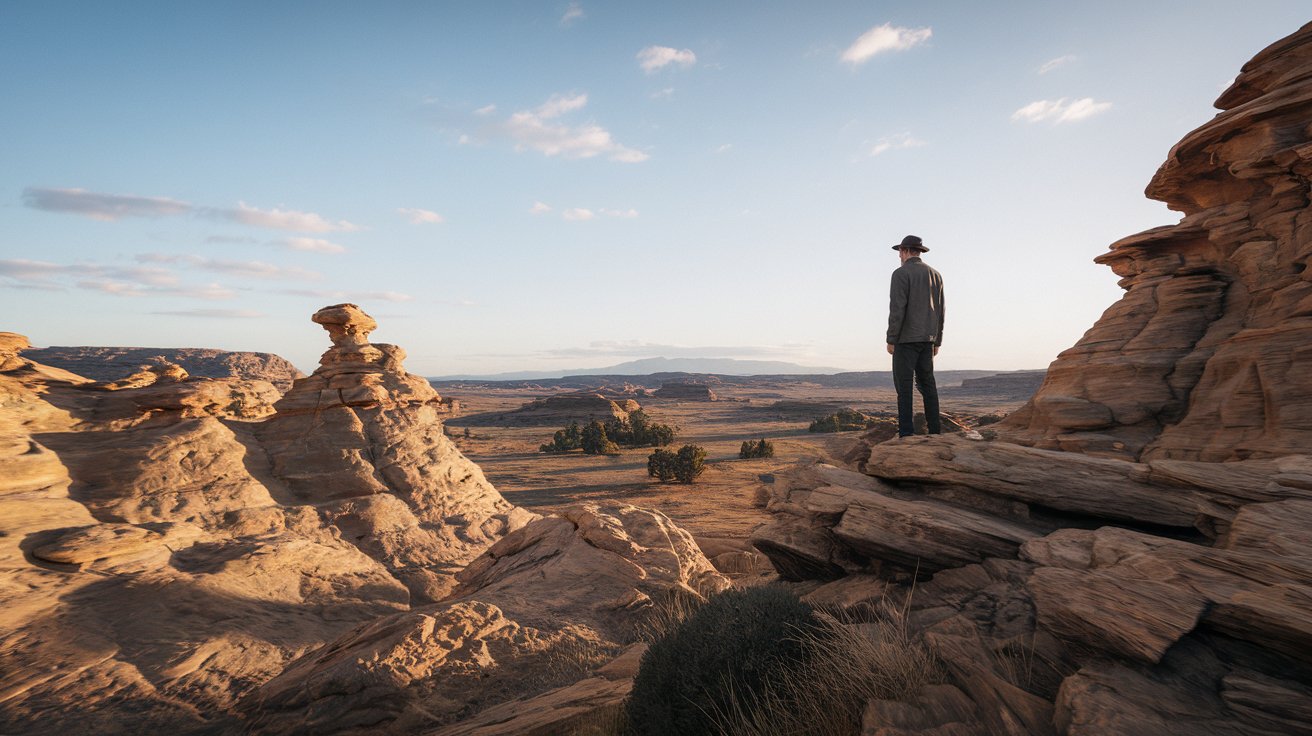
Wildlife encounters pose minimal risk when following proper guidelines and staying in designated areas. Professional guides and established tour operators maintain excellent safety records, and Namibia travel blog reports consistently highlight positive experiences. Road conditions on major routes are good, though 4WD vehicles are essential for accessing remote attractions like Sossusvlei and Damaraland.
Best Time to Visit Namibia: Seasonal Planning Guide
Namibia’s climate varies significantly by season, making timing crucial for your Namibia travel itinerary. The dry season from May to October offers the best wildlife viewing conditions, with animals congregating around water sources and vegetation sparse enough for easy spotting. Temperatures are comfortable during the day (68-77°F) but can drop near freezing at night in desert areas.
The wet season from November to April brings higher temperatures (up to 95°F) and occasional rainfall, transforming the landscape into a green paradise. This period offers excellent bird watching opportunities and dramatic storm photography, though some remote areas may become inaccessible. Namibia itinerary 7 days trips work well year-round, but longer expeditions benefit from dry season planning.
Peak Season vs Off-Season Benefits
Peak season (June-August) brings cooler temperatures and excellent wildlife viewing but also higher accommodation costs and crowded attractions. Shoulder seasons (April-May and September-October) offer the perfect balance of good weather, moderate prices, and fewer crowds. Namibia travel packages often provide significant savings during shoulder season periods while maintaining optimal travel conditions.
Regional Climate Variations
Coastal areas remain cooler year-round due to the Benguela Current, with Swakopmund rarely exceeding 77°F even in summer. Interior regions experience greater temperature variations, with the Namib Desert reaching extreme highs during summer months. Northern regions like Etosha receive more rainfall and support different wildlife populations, making seasonal timing particularly important for safari planning.
Transportation in Namibia: Car Rental and Driving Guide
Renting a vehicle is absolutely essential for exploring Namibia independently, as public transportation is extremely limited outside major towns. 4WD vehicle rental is mandatory for accessing premier destinations like Sossusvlei, Fish River Canyon, and Skeleton Coast. International driving permits are required alongside your US license, and most rental companies offer comprehensive insurance packages including gravel road coverage.
Namibia’s road network includes excellent tar roads connecting major destinations, but many attractions require gravel road access. These roads are generally well-maintained but demand careful driving, especially regarding speed and tire pressure. Self-drive Namibia adventures offer incredible freedom and flexibility, though first-time visitors often benefit from guided portions of their journey for orientation and wildlife expertise.
Fuel and Route Planning Strategies
Fuel stations can be sparse in remote areas, making route planning crucial for Namibia road trip success. Always fuel up when possible and carry extra fuel for extended desert crossings. GPS systems work well on major routes, but offline maps are essential for remote areas where cell coverage is limited. Many Namibia travel guide resources recommend keeping detailed route logs and informing accommodations of your expected arrival times.
Driving Safety and Emergency Preparedness
Gravel road driving requires specific techniques including reduced speeds (60 mph maximum), increased following distances, and proper tire pressure adjustments. Emergency equipment should include spare tires, tire repair kits, extra water, and communication devices. Namibia safety protocols recommend traveling in convoy when possible and avoiding night driving on gravel roads due to wildlife and visibility concerns.
Namibia Accommodation Options: Lodges vs Camping
Namibia offers diverse accommodation options ranging from luxury safari lodges to budget-friendly camping sites, each providing unique advantages for different travel styles. Luxury lodges deliver exceptional service, gourmet meals, and expert guides, with rates typically ranging from $400-800 per person per night including meals and activities. These establishments often occupy prime locations with exclusive access to wildlife areas.
Camping remains incredibly popular among independent travelers, with well-equipped campsites available throughout the country. Camping in Namibia costs approximately $15-25 per site and provides essential amenities including ablution blocks, power points, and security. Many campsites offer stunning locations directly within national parks, allowing for authentic wilderness experiences under some of the world’s darkest skies.
Mid-Range Lodge and Guesthouse Options
Mid-range accommodations provide excellent value, typically costing $150-300 per person per night with meals included. These properties offer comfortable rooms, good food, and knowledgeable staff while maintaining authentic Namibian character. Desert lodges in areas like Sossusvlei and Damaraland often feature eco-friendly designs that blend seamlessly with the landscape while providing modern amenities.
Booking Strategies and Seasonal Considerations
Peak season bookings should be made 6-12 months in advance, particularly for popular areas like Sossusvlei and Etosha. Namibia accommodation prices vary significantly by season, with shoulder season offering the best value without compromising experience quality. Many properties offer package deals including meals, activities, and transfers, which can provide substantial savings over individual bookings.
Perfect Namibia Itinerary: 7-14 Day Route Planning
A well-planned Namibia itinerary balances must-see attractions with travel time and rest days, ensuring a comprehensive yet comfortable experience. Seven-day itineraries typically focus on the central circuit including Windhoek, Sossusvlei, and Swakopmund, while 14-day trips can include Etosha National Park, Damaraland, and the Skeleton Coast. Namibia travel guide itinerary recommendations emphasize spending at least two nights in each location to minimize driving time and maximize exploration.
The classic route begins in Windhoek, proceeds southwest to the Namib Desert and Sossusvlei, continues to the coastal town of Swakopmund, then north to Damaraland and Etosha National Park before returning to the capital. This circular route covers approximately 2,500 kilometers and showcases Namibia’s incredible diversity from desert landscapes to wildlife-rich savannas. Namibia road trip planning should include buffer days for unexpected delays and spontaneous discoveries.
Essential Stops and Time Allocation
Sossusvlei deserves minimum two full days to explore the iconic dunes, hidden vleis, and surrounding desert landscapes. Etosha National Park requires 3-4 days for comprehensive wildlife viewing, with different camps providing access to various ecosystems. Swakopmund activities include desert tours, adventure sports, and cultural experiences, warranting 2-3 days for full exploration of this unique coastal desert town.
Flexible Itinerary Extensions
Extended itineraries can include the Fish River Canyon (Africa’s second-largest canyon), the Skeleton Coast’s shipwrecks and seal colonies, or the Caprivi Strip’s wetland ecosystems. Namibia travel blog insights suggest allowing flexibility for weather delays and spontaneous wildlife encounters, which often provide the most memorable experiences. Northern extensions to Oshakati and the Angolan border offer cultural immersion opportunities often overlooked by standard tourist routes.
Top Namibia Attractions and Must-See Destinations
Sossusvlei’s towering red dunes represent Namibia’s most iconic attraction, with Dune 45 and Big Daddy offering spectacular sunrise photography opportunities. The contrasting white clay pan of Deadvlei, dotted with ancient camel thorn trees, creates one of the world’s most photographed landscapes. Access requires 4WD vehicles for the final 5 kilometers, and early morning visits provide the best lighting and cooler temperatures.
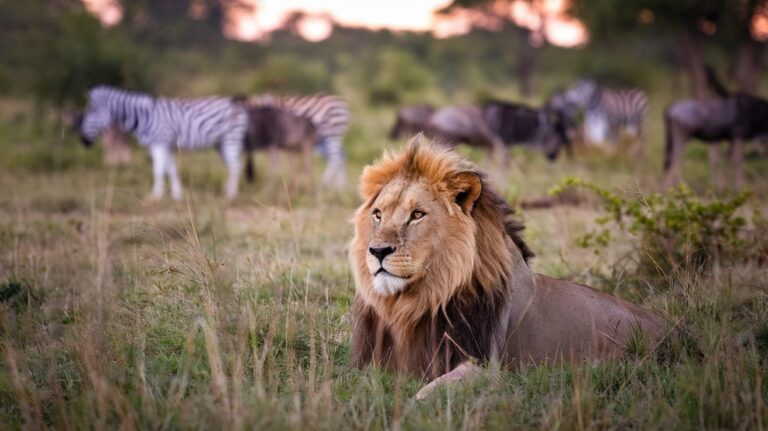
Etosha National Park encompasses 22,270 square kilometers of diverse ecosystems centered around a massive salt pan visible from space. Wildlife viewing is exceptional year-round, with over 100 mammal species including endangered black rhinos, desert-adapted elephants, and large predator populations. The park’s waterhole network provides excellent game viewing opportunities, particularly during dry season months when animals concentrate around permanent water sources.
Namibia Packing List: Essential Items for Desert Travel
Packing for Namibia requires consideration of extreme temperature variations, from freezing desert nights to scorching daytime heat. Layered clothing is essential, including warm jackets for early morning game drives and lightweight, breathable fabrics for daytime exploration. Sun protection is critical, with wide-brimmed hats, high-SPF sunscreen, and quality sunglasses being non-negotiable items for desert travel.
Technical equipment should include a reliable camera with extra batteries and memory cards, as charging opportunities may be limited in remote areas. Binoculars enhance wildlife viewing experiences significantly, while headlamps provide hands-free lighting for camping and lodge activities. A comprehensive first aid kit, prescription medications, and water purification tablets ensure health and safety throughout your journey. Many Namibia travel packages provide detailed packing lists specific to planned activities and accommodation types.
Related video about Namibia travel guide
This video complements the article information with a practical visual demonstration.
Your questions answered
How many days do you need in Namibia?
A minimum of 7 days allows you to see major highlights like Sossusvlei and Etosha National Park, while 10-14 days provides a comprehensive experience including Damaraland and the Skeleton Coast. Extended trips of 3+ weeks can include remote areas like Fish River Canyon and cultural experiences in northern regions.
What is the best month to visit Namibia?
May through October offers the best overall conditions with mild temperatures, clear skies, and excellent wildlife viewing. June-August is peak season with cooler weather but higher prices and crowds. April-May and September-October provide optimal balance of good weather, moderate prices, and fewer tourists.
Is Namibia expensive for US tourists?
Namibia can be expensive compared to other African destinations, with luxury lodges costing $400-800 per person per night. However, self-drive camping options reduce costs significantly to $50-100 per day per person including accommodation, food, and fuel. Mid-range lodges typically cost $150-300 per person per night with meals included.
Do I need a 4WD vehicle in Namibia?
A 4WD vehicle is essential for accessing major attractions like Sossusvlei, Damaraland, and remote areas of Etosha. While main roads are tarred, most destinations require gravel road travel where 4WD provides necessary safety and capability. Ground clearance and traction control are particularly important for sand driving.
Can you see the Big 5 in Namibia?
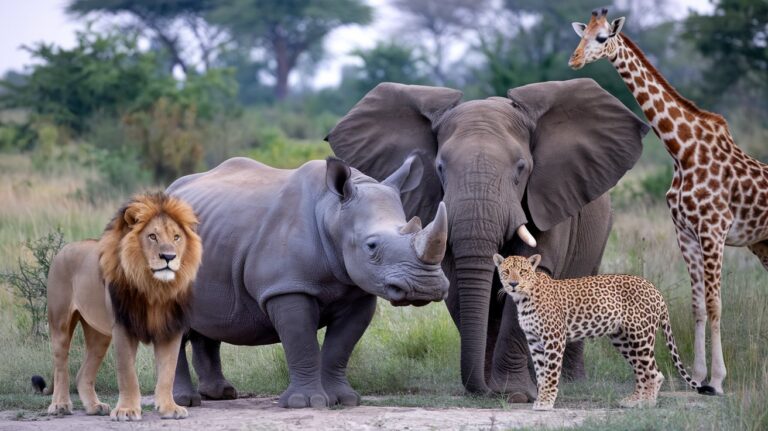
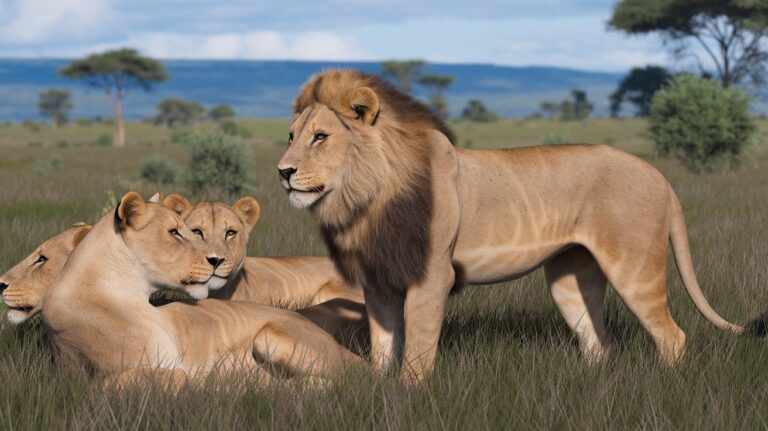
Namibia hosts four of the Big 5 animals – elephants, leopards, lions, and rhinos – but no wild buffalo populations exist. Etosha National Park offers excellent opportunities to see desert-adapted elephants, black rhinos, lions, and leopards. Private conservancies often provide better Big 4 viewing opportunities than public parks.
What should I pack for a Namibia safari?
Essential items include layered clothing for temperature extremes, sun protection (hat, sunscreen, sunglasses), sturdy walking boots, and warm jacket for cold desert nights. Technical gear should include camera equipment, binoculars, headlamp, and power bank. A comprehensive first aid kit and any prescription medications are crucial for remote area travel.
| Travel Aspect | Key Details | Benefit for US Travelers |
|---|---|---|
| Best Travel Time | May-October dry season | Optimal wildlife viewing and comfortable temperatures |
| Entry Requirements | Visa on arrival, valid passport | Simple entry process with 90-day tourist visa |
| Transportation | 4WD rental mandatory | Complete freedom to explore remote attractions |
| Safety Level | US Level 1 travel advisory | One of Africa’s safest destinations for tourists |
| Accommodation | Luxury lodges to budget camping | Options for all budgets and travel styles |