Ngorongoro Crater Tours 2025: Ultimate Safari Guide & Tips
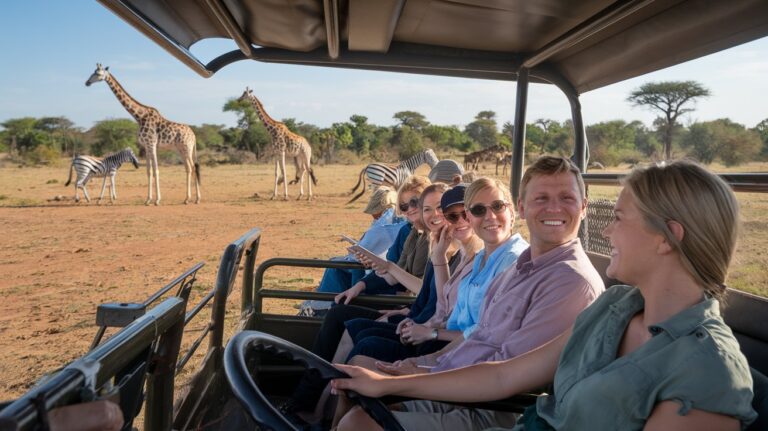
Discover the majesty of Ngorongoro Crater tours, often called Africa’s Garden of Eden, where an ancient volcanic caldera hosts one of the world’s most concentrated wildlife populations. This UNESCO World Heritage Site in Tanzania offers American travelers an unparalleled safari experience with over 25,000 large animals living within its 100-square-mile crater floor.
About Ngorongoro Crater: The World’s Largest Inactive Volcanic Caldera
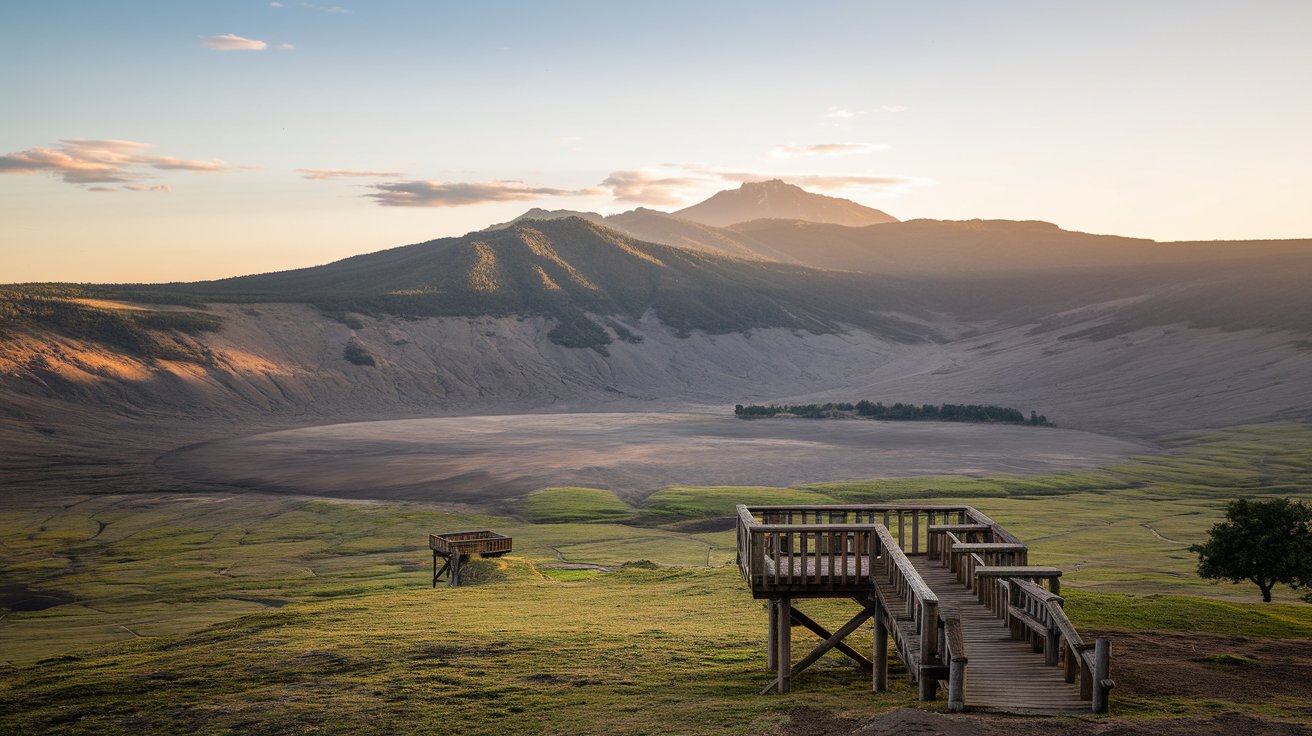
The Ngorongoro Crater formed approximately 2.5 million years ago when a massive volcano collapsed, creating the world’s largest intact volcanic caldera. Located in northern Tanzania, this geological wonder spans 12 miles across and plunges 2,000 feet deep, creating a natural amphitheater that supports an extraordinary ecosystem. The crater floor covers 102 square miles and maintains a relatively stable climate year-round, making it an ideal habitat for diverse wildlife species.
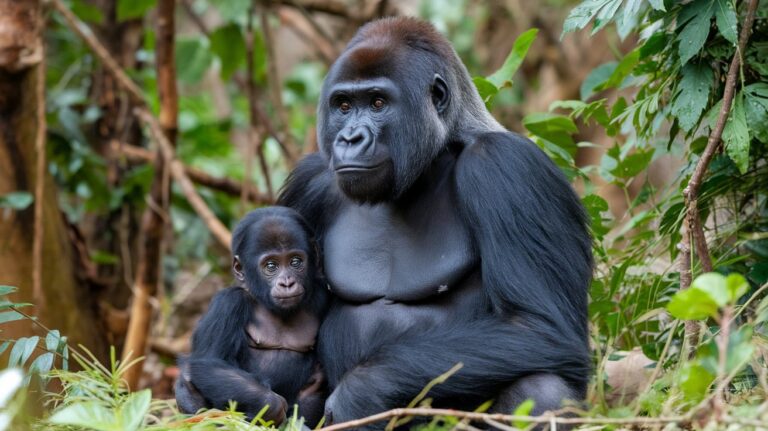
This ancient caldera supports over 25,000 large mammals including the famous Big Five: lions, leopards, elephants, buffalo, and the critically endangered black rhinoceros. The unique geography creates a self-contained ecosystem where animals rarely migrate, ensuring exceptional wildlife viewing opportunities throughout the year. The crater’s alkaline Lake Magadi attracts thousands of flamingos, creating spectacular pink carpets across the water’s surface.
In What Country is Ngorongoro Crater Located
The Ngorongoro Crater is located in the United Republic of Tanzania, East Africa, within the Ngorongoro Conservation Area Authority. This protected area spans 3,200 square miles and borders Kenya’s Masai Mara to the north and Serengeti National Park to the west. For American travelers, the crater sits approximately 75 miles west of Arusha, Tanzania’s safari capital, and requires a valid passport and tourist visa for entry.
UNESCO World Heritage Status and Conservation
Designated as a UNESCO World Heritage Site in 1979, the Ngorongoro Conservation Area represents both natural and cultural significance. The area protects not only wildlife but also the ancestral lands of the Maasai people, who continue traditional pastoralism within designated zones. This unique conservation model balances wildlife protection with indigenous cultural preservation, making it one of Africa’s most innovative conservation success stories.
Best Time to Visit Ngorongoro Crater for US Travelers
The best time to visit Ngorongoro Crater depends on your priorities and preferences. The dry season from June to October offers excellent wildlife viewing as animals concentrate around permanent water sources, making game drives more predictable. During this period, temperatures range from 50°F to 75°F, providing comfortable conditions for American visitors accustomed to temperate climates.
The wet season from November to May brings lush green landscapes and spectacular birding opportunities with over 500 species recorded in the area. This period sees fewer tourists and lower accommodation rates, making it attractive for budget-conscious travelers. However, afternoon rains can affect game drive schedules, and some roads may become challenging to navigate.
Peak Season Advantages (June-October)
During peak season, wildlife concentrations reach their highest levels as the dry conditions force animals to gather near the crater’s permanent water sources. Predator activity increases significantly, offering exceptional opportunities to witness hunting behaviors and large pride interactions. The weather remains consistently dry with clear skies, perfect for photography and comfortable game drives.
Green Season Benefits (November-May)
The green season transforms the crater into a verdant paradise with abundant wildflowers and migrant bird species arriving from Europe and northern Africa. Accommodation rates drop by 20-40% during this period, and safari vehicles encounter fewer crowds at popular wildlife viewing spots. The landscape photography opportunities are exceptional with dramatic storm clouds and vibrant vegetation.
Ngorongoro Crater Tours Cost and Budgeting for 2025
Planning your Ngorongoro Crater tours cost requires understanding the various fee structures and tour options available. The Tanzania National Parks Authority charges conservation fees of $70 per person per day for non-residents, plus vehicle fees ranging from $40-200 depending on vehicle size. These mandatory fees apply regardless of tour operator and represent a significant portion of your total safari investment.
Mid-range safari packages from reputable operators typically cost $400-800 per person per day, including accommodation, meals, game drives, and professional guide services. Luxury crater rim lodges command premium rates of $1,200-2,500 per person per night, offering exclusive access and world-class amenities. Budget camping options start around $200 per person per day but require compromising on comfort and convenience.
Budget Breakdown for Different Tour Types
Budget camping tours include basic accommodation, shared facilities, and group game drives starting at $1,400 per person for a 3-day package. Mid-range lodge tours with private bathrooms, restaurant meals, and smaller group sizes range from $2,400-4,800 per person for 3 days. Luxury packages with crater rim lodges, private vehicles, and premium services start at $7,200 per person for a 3-day experience.
Additional Costs to Consider
Beyond tour package costs, American travelers should budget for international flights ($1,200-2,500 from major US cities), Tanzania visa fees ($100), travel insurance ($150-300), and gratuities for guides and staff ($20-50 per day). Optional activities like Maasai village visits ($30-50) and crater walks ($40) add cultural dimensions to your safari experience.
How Many Days You Need in Ngorongoro Crater
Most safari experts recommend 2-3 days minimum to fully appreciate the Ngorongoro Crater’s diverse ecosystems and wildlife populations. A single day allows for one comprehensive game drive covering the main crater floor areas, but multiple days enable exploration of different zones during optimal wildlife activity periods. The crater’s compact size means you can cover significant ground in each game drive while still discovering new wildlife interactions.
Extended stays of 4-5 days allow for specialized wildlife photography sessions, cultural interactions with local Maasai communities, and exploration of the greater Ngorongoro Conservation Area including Empakaai Crater and Olduvai Gorge archaeological sites. Longer itineraries also provide flexibility for weather-related schedule adjustments and rest days between intense game viewing sessions.
Where to Stay: Best Ngorongoro Crater Accommodations
Choosing the right accommodation significantly impacts your Ngorongoro Crater experience, with options ranging from luxury crater rim lodges to budget-friendly camping sites. Crater rim properties offer unparalleled sunrise views and convenient access to the crater floor, while accommodations in nearby Karatu provide excellent value with shorter transfer times to the crater entrance.
The most exclusive properties include Ngorongoro Crater Lodge and Four Seasons Safari Lodge Serengeti, offering world-class amenities and prime locations. These luxury options provide private game drive vehicles, expert naturalist guides, and premium dining experiences that justify their significant cost premium for discerning American travelers.
Luxury Crater Rim Lodges
Ngorongoro Crater Lodge stands as the ultimate luxury option with individually designed suites perched on the crater rim, offering panoramic views and butler service. The lodge’s architectural blend of African and European influences creates an atmosphere of refined elegance, while its conservation partnerships provide guests with exclusive wildlife research experiences and behind-the-scenes conservation activities.
Mid-Range Accommodations
Ngorongoro Serena Safari Lodge provides excellent mid-range value with traditional African architecture seamlessly integrated into the crater rim landscape. The lodge offers comfortable rooms with crater views, authentic Tanzanian cuisine, and professional guide services at approximately 40% less cost than ultra-luxury alternatives while maintaining high service standards.
Budget-Friendly Options
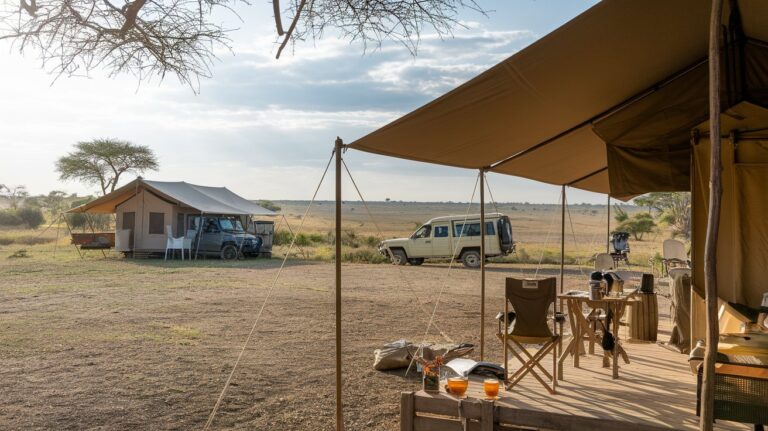
Simba Campsite and similar budget accommodations provide basic camping facilities on the crater rim with shared bathrooms and dining areas. These options appeal to adventurous travelers seeking authentic safari experiences without luxury amenities, offering significant cost savings while maintaining access to the crater’s incredible wildlife viewing opportunities.
Wildlife Viewing: What to Expect on Crater Tours
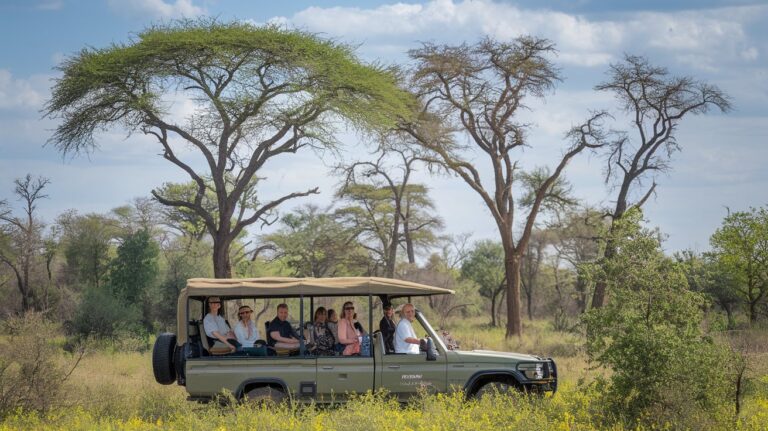
The Ngorongoro Crater wildlife population remains one of Africa’s most dense and diverse, with over 400 species of mammals, birds, and reptiles calling the crater home. The famous Big Five are all present, including one of Africa’s last remaining populations of black rhinoceros, making this one of the few places where visitors can realistically expect to see all five iconic species in a single day.
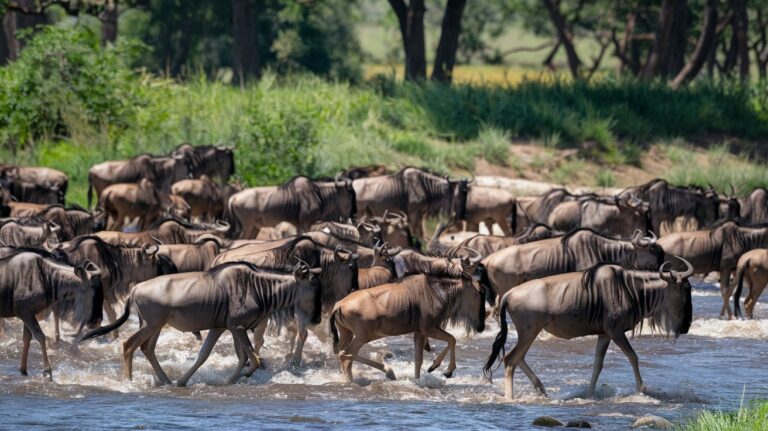
Lion populations in the crater are particularly impressive, with multiple prides totaling over 60 individuals regularly spotted during game drives. The crater’s unique ecosystem supports these large predator numbers through abundant prey species including wildebeest, zebra, buffalo, and various antelope species. Leopards, though more elusive, frequently appear in the acacia woodlands along the crater walls during early morning and late afternoon drives.
Is Ngorongoro Crater Worth Visiting: Expert Assessment
For American safari enthusiasts, Ngorongoro Crater is absolutely worth visiting despite the significant investment required. The crater offers guaranteed wildlife viewing experiences that rival or exceed other premier African destinations, with the added benefit of year-round accessibility and relatively compact game viewing areas that maximize wildlife encounters per hour spent on safari.
The crater’s unique geological formation creates a natural wildlife amphitheater where animals are easily visible against the dramatic backdrop of the crater walls. This geographic advantage, combined with the area’s exceptional wildlife density, virtually guarantees memorable encounters with iconic African species. The educational value and conservation awareness gained from visiting this UNESCO World Heritage Site provides lasting impact beyond the immediate safari experience.
Related video about Ngorongoro Crater tours
This video complements the article information with a practical visual demonstration.
Questions & Answers
How many days do you need in the Ngorongoro Crater?
Most safari experts recommend 2-3 days minimum to fully experience Ngorongoro Crater. This allows for multiple game drives at different times of day, increasing your chances of witnessing diverse wildlife behaviors. A single day provides one comprehensive crater floor exploration, while 3+ days enable visits to different crater zones and nearby attractions like Olduvai Gorge.
Is the Ngorongoro Crater worth visiting for Americans?
Absolutely yes. Ngorongoro Crater offers one of Africa’s most concentrated wildlife experiences with virtually guaranteed Big Five sightings. The crater’s unique ecosystem supports over 25,000 large mammals in a compact area, making it incredibly efficient for wildlife viewing. Despite higher costs, the exceptional wildlife density and year-round accessibility make it a premier safari destination.
How much does it cost to go to Ngorongoro Crater from the US?
Total costs typically range from $3,500-12,000 per person depending on accommodation level and tour duration. This includes international flights ($1,200-2,500), conservation fees ($70/day), mid-range tours ($400-800/day), and incidental expenses. Budget camping options start around $1,400 for 3 days, while luxury crater rim lodges command $7,200+ for similar duration.
What is the best time to visit the Ngorongoro Crater?
June through October offers the best wildlife viewing as animals concentrate around permanent water sources during the dry season. Weather is comfortable with temperatures 50-75°F and minimal rainfall. However, November through May provides lush landscapes, excellent birding, fewer crowds, and 20-40% lower accommodation rates, making it attractive for budget-conscious travelers.
Can you see the Big Five in Ngorongoro Crater?
Yes, Ngorongoro Crater is one of the few places where you can realistically see all Big Five species in a single day. The crater supports over 60 lions, multiple leopards, large elephant herds, substantial buffalo populations, and one of Africa’s last remaining black rhinoceros populations with approximately 30-40 individuals.
Do I need special vaccinations for Ngorongoro Crater tours?
Yellow fever vaccination is required for US travelers entering Tanzania. Malaria prophylaxis is strongly recommended as the crater area has malaria risk year-round. Consult your physician 4-6 weeks before travel for current recommendations on hepatitis A/B, typhoid, and routine vaccinations. Travel insurance including medical evacuation coverage is essential.
| Tour Aspect | Key Details | Traveler Benefit |
|---|---|---|
| Wildlife Density | 25,000+ large mammals in 100 sq miles | Guaranteed wildlife sightings |
| Best Viewing Season | June-October dry season | Optimal animal concentrations |
| Recommended Duration | 2-3 days minimum stay | Complete ecosystem exploration |
| Conservation Fees | $70 per person per day | Direct wildlife protection support |
| Big Five Probability | 95%+ chance in 2-3 days | Exceptional safari success rate |