Kruger National Park Animals: Complete Wildlife Guide 2025
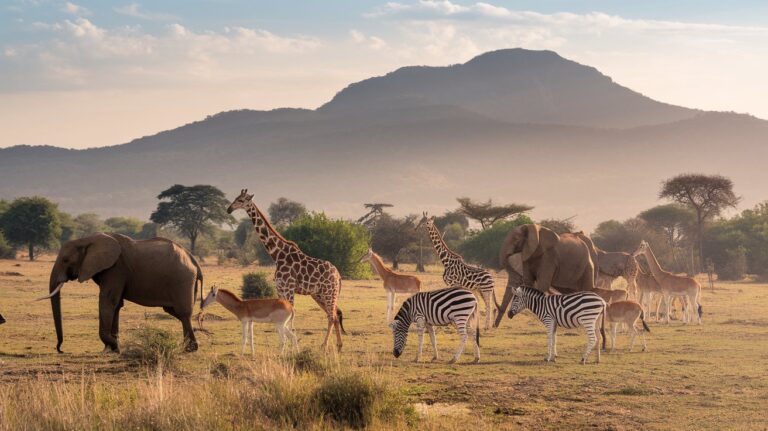
Kruger National Park in South Africa hosts over 147 mammal species across its 7,523 square miles, making it one of Africa’s premier wildlife destinations. From the legendary Big Five animals to rare species like wild dogs and pangolins, this iconic park offers unparalleled wildlife viewing opportunities for American travelers seeking authentic African safari experiences.
The Big Five Animals in Kruger National Park
The Big Five animals represent Africa’s most dangerous and sought-after wildlife species, originally named by big-game hunters. In Kruger National Park, these five magnificent creatures roam freely across diverse ecosystems, offering visitors incredible viewing opportunities throughout the year.
Kruger National Park maintains stable populations of all Big Five species, with recent 2024 surveys indicating healthy numbers: approximately 1,500 lions, 5,000 elephants, 350 leopards, 1,000 buffalo herds, and a growing rhinoceros population thanks to intensive conservation efforts.
African Lions in Kruger
Kruger’s lion population of approximately 1,500 individuals represents one of Africa’s largest free-roaming populations. These apex predators typically hunt in coordinated prides, with optimal viewing opportunities occurring during early morning and late afternoon game drives when temperatures are cooler.
African Elephants
The park’s African elephant herds number around 5,000 individuals, making them highly visible throughout most areas. These intelligent giants frequently gather at water sources during dry season months from May through October, providing spectacular photography opportunities for American visitors.
Leopards and Their Territories
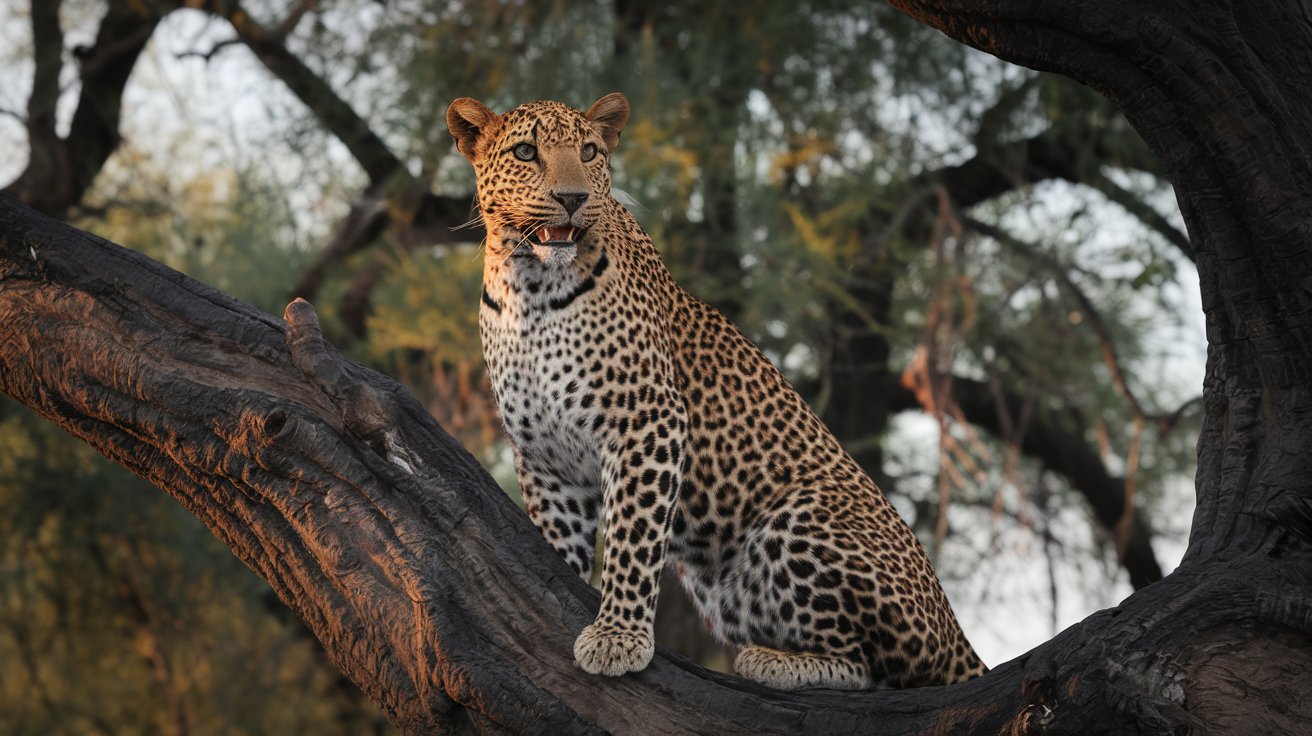
Kruger’s estimated 350 leopards remain the most elusive of the Big Five, preferring dense woodland areas and rocky outcrops. The Sabi Sands area adjacent to Kruger offers the highest leopard viewing success rates, with experienced guides tracking these solitary cats using radio collars and territorial markings.
Cape Buffalo Herds
Large Cape buffalo herds roam throughout Kruger, with population estimates exceeding 25,000 individuals. These powerful bovines form massive congregations during the dry season, particularly around permanent water sources in the southern regions near Skukuza and Lower Sabie rest camps.
Rhinoceros Conservation Success
Kruger’s rhinoceros population includes both white and black rhino species, with conservation efforts showing positive results in 2024. The park’s anti-poaching units work around the clock to protect these critically endangered species, with white rhino numbers slowly recovering to approximately 3,500 individuals.
Rarest Animals in Kruger National Park
Beyond the famous Big Five, Kruger shelters several rare animal species that represent conservation success stories. The African wild dog, pangolin, and roan antelope rank among the park’s most elusive residents, requiring patience and expert guidance to observe in their natural habitat.
American wildlife enthusiasts seeking these rarest animals should focus on specific regions and seasons. The Kruger’s northern sections, particularly around Punda Maria and Shingwedzi, offer the highest chances for rare sightings due to diverse habitats and lower tourist densities.
African Wild Dogs
Kruger’s African wild dog population of approximately 130 individuals represents one of the largest remaining packs in Africa. These highly social predators with distinctive coat patterns require vast territories, making sightings particularly special and unpredictable for visiting wildlife photographers.
Ground Pangolins
The elusive ground pangolin remains Kruger’s most challenging animal to spot, with fewer than 200 individuals estimated throughout the park. These nocturnal, ant-eating mammals face severe threats from illegal trade, making any sighting extraordinarily rare and valuable for conservation research.
Best Wildlife Viewing Areas in Kruger
Strategic location selection dramatically improves wildlife viewing success rates in Kruger National Park. The most animals concentrate around permanent water sources, particularly during South Africa’s dry winter months from May through September when vegetation is sparse and animals must travel to drink regularly.
The southern regions near Skukuza and Lower Sabie consistently offer the highest animal density and diversity. These areas feature the Sabie River system, extensive grasslands, and mixed woodland habitats that support large herbivore populations and their predators throughout the year.
Southern Kruger Hotspots
The Skukuza area provides exceptional game viewing with its diverse ecosystem supporting over 100 mammal species within a 20-mile radius. The nearby S65 and H4-1 roads consistently produce Big Five sightings, while the Sabie River attracts massive elephant and buffalo concentrations during dry seasons.
Central Region Wildlife
Kruger’s central region around Satara camp offers expansive grasslands perfect for cheetah and wild dog sightings. The open savanna habitat provides excellent visibility for spotting predators, while numerous waterholes like Sunset Dam attract diverse wildlife throughout the day.
Predators and Carnivores of Kruger
Kruger National Park supports an incredible diversity of predator species beyond the famous Big Five cats. The park’s healthy ecosystem maintains populations of spotted hyenas, wild dogs, cheetahs, and smaller carnivores like caracals and servals, creating complex predator-prey relationships that fascinate wildlife researchers and visitors alike.
No, there are no tigers in Kruger Park – tigers are native to Asia, not Africa. This common misconception often arises among American visitors unfamiliar with African versus Asian wildlife. Kruger’s big cats include lions, leopards, cheetahs, and smaller species like caracals and servals.
Antelope and Herbivore Species
Kruger’s remarkable antelope diversity includes over 20 species ranging from tiny suni weighing just 12 pounds to massive eland bulls exceeding 2,000 pounds. These herbivores form the foundation of Kruger’s food web, supporting the park’s impressive predator populations through complex ecological relationships.
The most commonly observed herbivore species include impala (approximately 120,000 individuals), greater kudu, waterbuck, and bushbuck. These abundant populations ensure consistent wildlife viewing opportunities while supporting Kruger’s reputation as Africa’s premier safari destination for American tourists.
Best Time for Wildlife Viewing in Kruger
The optimal wildlife viewing season in Kruger National Park runs from May through September during South Africa’s dry winter months. During this period, sparse vegetation and limited water sources concentrate animals around rivers and waterholes, dramatically improving sighting opportunities for visiting wildlife enthusiasts.
American travelers planning Kruger wildlife trips should consider that dry season temperatures remain comfortable during the day (70-80°F) while nights can be surprisingly cool (40-50°F). The wet season from November through March offers lush landscapes and newborn animals but reduces visibility due to thick vegetation growth.
Dry Season Advantages
During dry season months, animals must travel to permanent water sources, creating predictable viewing opportunities along major rivers. The Sabie, Olifants, and Luvuvhu rivers become wildlife highways where patient observers can witness incredible animal interactions and behaviors.
Wet Season Considerations
The wet season transforms Kruger into a lush paradise with abundant food sources scattered throughout the landscape. While animal sightings may require more effort, this period offers unique opportunities to observe newborn animals and witness the park’s incredible biodiversity in full display.
Bird Species and Avian Diversity
Kruger National Park hosts over 500 bird species, making it a world-class destination for American birdwatchers and ornithologists. This incredible avian diversity ranges from massive ground hornbills and secretary birds to tiny sunbirds and waxbills, representing nearly half of all bird species found throughout southern Africa.
The park’s bird watching opportunities peak during the wet season from November through March when migratory species arrive and breeding displays reach their zenith. Notable species include the endangered southern ground hornbill, lilac-breasted roller, and various eagle species that attract international birding enthusiasts.
Reptiles and Amphibians in Kruger
Kruger’s reptile diversity includes over 100 species ranging from massive Nile crocodiles measuring up to 20 feet in length to tiny gecko species found throughout the park’s varied habitats. The park’s river systems support healthy crocodile populations while rocky outcrops shelter diverse lizard and snake communities.
American visitors often overlook Kruger’s amphibian species, but the park hosts over 35 frog and toad species that play crucial ecological roles. During the wet season, temporary pools throughout the park come alive with breeding choruses that create an unforgettable African soundscape experience.
Related video about Kruger National Park animals
This video complements the article information with a practical visual demonstration.
Most asked questions about kruger national park animals
What animals are in the Big Five in Kruger National Park?
The Big Five animals in Kruger National Park are African lion, African elephant, Cape buffalo, leopard, and rhinoceros (both black and white species). These five species were originally named by big-game hunters as the most dangerous and difficult animals to hunt on foot in Africa, and today they represent the most sought-after wildlife sightings for safari visitors.
What is the rarest animal in Kruger?
The ground pangolin is considered the rarest animal in Kruger National Park, with fewer than 200 individuals estimated throughout the entire park. These nocturnal, ant-eating mammals are extremely elusive and face severe threats from illegal trade. African wild dogs, with only about 130 individuals, are also among the park’s rarest species.
Where do you see the most animals in Kruger National Park?
The southern regions of Kruger near Skukuza and Lower Sabie offer the highest animal concentrations and diversity. These areas feature the Sabie River system, extensive grasslands, and mixed woodland habitats that support large populations year-round. The S65 and H4-1 roads consistently produce excellent wildlife sightings, especially during dry season months.
Are there tigers in Kruger Park?
No, there are no tigers in Kruger National Park. Tigers are native to Asia, not Africa. This is a common misconception among visitors unfamiliar with African wildlife. Kruger’s big cats include lions, leopards, and cheetahs, along with smaller species like caracals and servals. All of these species are native to Africa and thrive in Kruger’s diverse ecosystems.
When is the best time to see wildlife in Kruger?
The best time for wildlife viewing in Kruger is during the dry season from May through September. During this period, sparse vegetation and limited water sources concentrate animals around rivers and waterholes, dramatically improving sighting opportunities. Temperatures are comfortable during the day while nights can be cool, making this ideal for American visitors.
How many animal species live in Kruger National Park?
Kruger National Park hosts over 147 mammal species, 500+ bird species, 100+ reptile species, and 35+ amphibian species. This incredible biodiversity makes Kruger one of Africa’s most important wildlife conservation areas and a premier destination for wildlife enthusiasts seeking authentic African safari experiences with diverse animal encounters.
| Wildlife Category | Species Count | Best Viewing Areas |
|---|---|---|
| Big Five | 5 species (all present) | Skukuza, Lower Sabie |
| Mammals | 147+ species | Southern regions |
| Birds | 500+ species | River systems |
| Rare Species | Wild dogs, pangolins | Northern sections |
| Best Season | May-September | Water sources |