Gorilla Trekking in Uganda 2025: Complete Guide & Costs
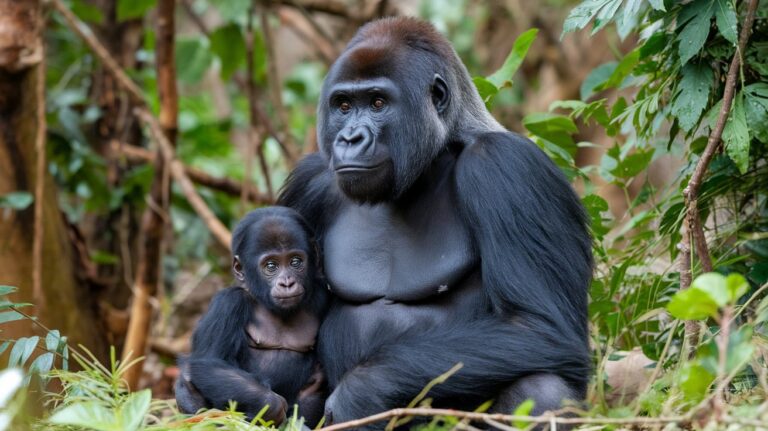
Uganda offers one of the world’s most extraordinary wildlife experiences through gorilla trekking in the pristine Bwindi Impenetrable Forest. With over 400 mountain gorillas calling this UNESCO World Heritage site home, Uganda provides an ethical and unforgettable encounter with our closest living relatives. This comprehensive guide covers everything American travelers need to know about planning their 2025 gorilla trekking adventure.
How Much Does Gorilla Trekking in Uganda Cost in 2025
The primary expense for gorilla trekking in Uganda is the gorilla permit, which costs $800 per person for foreign non-residents in 2025. This represents exceptional value compared to Rwanda’s $1,500 permits. Beyond permits, budget travelers can expect to spend $150-250 per day including accommodation, meals, and transportation, while luxury travelers may spend $500-800 daily for premium lodges and private guides.
Additional costs include international flights ($800-1,500 from major US cities), domestic transportation ($200-400), guide tips ($10-20), and optional activities like golden monkey tracking ($100) or cultural village visits ($30-50). A complete 7-day Uganda gorilla trekking trip typically ranges from $3,500-7,000 per person depending on accommodation choices and group size.
Gorilla Permit Costs and Booking Process
Uganda Wildlife Authority issues gorilla permits for $800 each, valid for one hour with a specific gorilla family. Permits must be booked well in advance, especially for peak seasons (June-September, December-January). American travelers should book through licensed tour operators who handle the complex reservation system and ensure proper documentation. Payment requires full advance settlement, and permits are non-refundable except in extreme circumstances.
Budget Breakdown for US Travelers
A typical Uganda gorilla trekking budget includes gorilla permits ($800), accommodation ($50-400/night), meals ($30-80/day), transportation ($200-500), and guides/tips ($50-150 total). Budget-conscious travelers can reduce costs by choosing mid-range lodges, joining group tours, and traveling during shoulder seasons. Luxury travelers investing in exclusive lodges and private guides should budget significantly higher for the ultimate comfort experience.
Why Choose Bwindi Impenetrable Forest Over Other Locations
Bwindi Impenetrable Forest hosts approximately 50% of the world’s remaining mountain gorillas across four distinct sectors: Buhoma, Ruhija, Rushaga, and Nkuringo. Unlike Rwanda’s Volcanoes National Park, Bwindi offers more affordable permits, longer trekking experiences, and diverse ecosystems supporting over 350 bird species and 200 butterfly varieties. The forest’s ancient biodiversity creates a more immersive wilderness experience compared to other gorilla destinations.
Each Bwindi sector offers unique advantages for gorilla trekking experiences. Buhoma provides easier access and established infrastructure, Ruhija offers excellent birdwatching opportunities, Rushaga features the highest gorilla family density, and Nkuringo presents challenging terrain with spectacular views. This variety allows travelers to choose experiences matching their fitness levels and interests while supporting different local communities.
How Difficult is Gorilla Trekking in Uganda
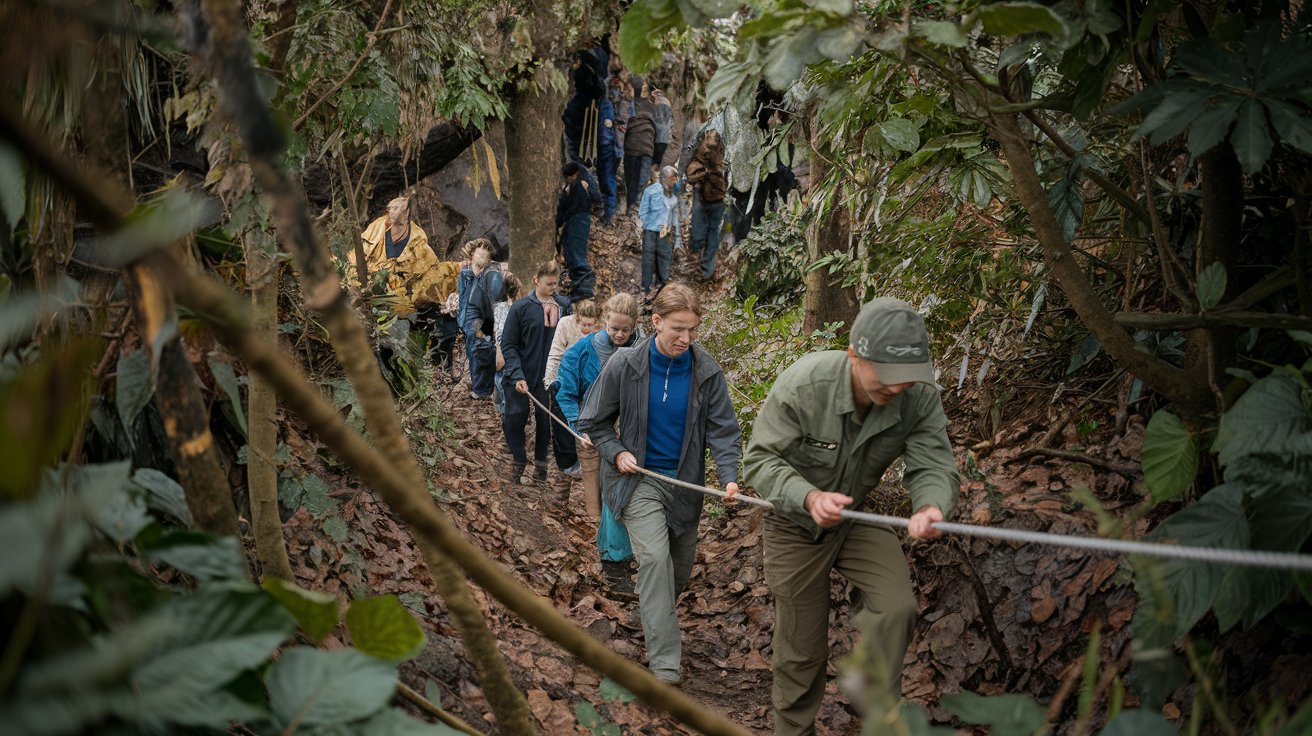
Gorilla trekking difficulty varies significantly based on gorilla family location, weather conditions, and individual fitness levels. Treks can range from 2-8 hours through dense jungle terrain, steep slopes, and muddy paths. The altitude of 1,200-2,600 meters adds cardiovascular challenge, while humidity and unpredictable weather create additional physical demands. However, porters are available for $15-20 to assist with bags and provide support.
Physical preparation should begin 2-3 months before travel, focusing on cardiovascular fitness and leg strength. Regular hiking with a weighted backpack, stair climbing, and endurance activities significantly improve trekking enjoyment. Participants should have moderate fitness levels and ability to walk uneven terrain for several hours. Age restrictions apply, with minimum age of 15 years for safety and conservation reasons.
Terrain and Physical Challenges
Bwindi’s terrain presents multiple trekking challenges including steep muddy slopes, thick vegetation, and unpredictable weather. Trails are often unmarked paths through dense forest, requiring agility and balance. Altitude effects may cause shortness of breath, while high humidity increases fatigue. However, experienced guides adjust pace for group abilities and provide rest stops as needed.
Fitness Preparation Tips
Effective fitness preparation should emphasize cardiovascular endurance, leg strength, and core stability. Recommended exercises include hiking with weighted packs, stair climbing, squats, and regular walking. Start training 8-12 weeks before travel, gradually increasing intensity and duration. Practice walking on uneven surfaces and in humid conditions when possible to simulate actual trekking conditions.
Best Time for Gorilla Trekking in Uganda
The optimal time for gorilla trekking is during Uganda’s dry seasons: June-September and December-February. These periods offer better trail conditions, clearer photography opportunities, and reduced rainfall. However, Bwindi’s equatorial location means rain is possible year-round, and the forest’s beauty remains constant regardless of season. Dry season bookings require earlier reservations due to higher demand from international visitors.
Wet seasons (March-May, October-November) offer advantages including lower accommodation rates, fewer crowds, and lush forest scenery. Rain creates muddy conditions but also brings out vibrant colors and increased wildlife activity. Many experienced travelers prefer shoulder seasons for better value and more intimate experiences, despite weather challenges.
Safety Considerations and Health Requirements
Gorilla trekking safety in Uganda is well-managed through experienced guides, strict group size limits (8 people maximum), and comprehensive safety briefings. Armed rangers accompany all groups to ensure protection from wildlife encounters. Medical facilities are available in nearby towns, though serious emergencies may require evacuation to Kampala or Nairobi. Travel insurance covering adventure activities and emergency evacuation is essential.
Health requirements include yellow fever vaccination (mandatory with certificate), malaria prophylaxis, and routine immunizations. Travelers with contagious illnesses are prohibited from gorilla encounters to protect these endangered animals. Hand sanitization is mandatory, and minimum distance of 7 meters must be maintained from gorillas. Recent COVID-19 protocols may still apply, requiring negative tests or vaccination proof.
Wildlife Safety Protocols
Strict wildlife safety protocols govern all gorilla encounters, including group size limits, time restrictions (one hour maximum), and behavior guidelines. Visitors must not eat, drink, or use flash photography near gorillas. Sudden movements, loud noises, and direct eye contact are prohibited. Rangers provide comprehensive briefings and enforce all safety measures to protect both visitors and gorillas.
Medical Preparedness
Proper medical preparedness includes comprehensive travel insurance, prescription medications in original containers, and basic first aid supplies. Altitude sickness medication may be helpful for sensitive individuals. Emergency contact information for US embassies and local medical facilities should be readily available. Consider bringing water purification tablets and anti-diarrheal medication for added precaution.
What to Wear and Pack for Gorilla Trekking
Essential gorilla trekking clothing includes long-sleeved shirts and pants in neutral colors (avoid bright colors and camouflage patterns), waterproof hiking boots with ankle support, and gaiters to prevent ants and thorns. Layered clothing allows adjustment for varying temperatures and humidity levels. Rain gear is mandatory regardless of season, as weather can change rapidly in the forest environment.
Recommended packing essentials include insect repellent with DEET, sunscreen, hat with chin strap, gardening gloves for gripping vegetation, and day pack for personal items. Camera equipment should include extra batteries and waterproof cases. Binoculars enhance wildlife viewing opportunities, while walking sticks (often provided by lodges) improve stability on steep terrain. Pack light but comprehensively for maximum comfort and safety.
Ethical Gorilla Tourism and Conservation Impact
Ethical gorilla trekking in Uganda directly supports mountain gorilla conservation through permit revenue, community employment, and habitat protection. The Uganda Wildlife Authority allocates significant permit income to conservation programs, anti-poaching efforts, and local community development projects. This sustainable tourism model has contributed to increasing gorilla populations from 620 individuals in 1989 to over 1,000 today.
Responsible tourism practices include supporting local communities through certified operators, purchasing local crafts, and respecting cultural traditions. Visitors should choose tour operators with demonstrated conservation commitments and community partnerships. Small group sizes and strict regulations minimize environmental impact while maximizing conservation benefits. This ethical approach ensures gorilla trekking remains sustainable for future generations while protecting these critically endangered primates.
Booking Your Gorilla Trek: Tour Operators and Logistics
Selecting reputable tour operators is crucial for successful gorilla trekking experiences. Licensed operators handle permit procurement, accommodation bookings, transportation arrangements, and guide services. Look for operators with Uganda Tourism Board certification, positive reviews from American travelers, and comprehensive insurance coverage. Many operators offer complete packages including airport transfers, accommodation, meals, and additional activities for convenience.
Booking logistics require advance planning of 3-6 months, especially for dry season travel. Confirm permit availability before booking flights, as permits are limited and non-transferable between dates or locations. Consider booking flexibility for weather delays or health issues. Payment schedules typically require deposits for permit securing, with final payments due 30-60 days before travel. Travel insurance should cover permit costs and potential cancellation fees.
Related video about Gorilla trekking in Uganda
This video complements the article information with a practical visual demonstration.
Important things to know about gorilla trekking in uganda
How much does it cost to go gorilla trekking in Uganda?
Gorilla trekking in Uganda costs $800 for permits plus $150-800 daily for accommodation, meals, and transportation. Total trip costs range from $3,500-7,000 per person for 7 days, significantly less expensive than Rwanda’s $1,500 permits while offering comparable experiences.
How difficult is gorilla trekking in Uganda?
Gorilla trekking difficulty varies from moderate to challenging, with 2-8 hour hikes through steep, muddy terrain at altitudes up to 2,600 meters. Moderate fitness is required, though porters are available for $15-20 to assist with equipment and provide support during the trek.
Which month is best for gorilla trekking in Uganda?
The best months are June-September and December-February during dry seasons, offering better trail conditions and clearer photography. However, wet seasons (March-May, October-November) provide lower costs, fewer crowds, and lush forest scenery despite muddy conditions.
Is gorilla trekking in Uganda ethical?
Yes, gorilla trekking in Uganda is highly ethical, directly funding conservation efforts that have increased mountain gorilla populations from 620 to over 1,000 individuals. Permit revenue supports anti-poaching, habitat protection, and community development while following strict guidelines to minimize wildlife impact.
What is the minimum age for gorilla trekking in Uganda?
The minimum age for gorilla trekking is 15 years, enforced for safety reasons and to ensure participants can handle the physical demands. This age requirement protects both young visitors and the gorillas from potential risks during forest encounters.
How long do you spend with the gorillas during trekking?
Visitors spend exactly one hour with the gorilla family once located, strictly enforced to minimize stress on the animals. The total experience including trekking to find the gorillas can last 2-8 hours depending on their location and movement patterns that day.
| Key Aspect | Important Details | Benefit |
|---|---|---|
| Gorilla Permits | $800 per person vs Rwanda’s $1,500 | Significant cost savings for US travelers |
| Best Timing | June-September, December-February | Optimal weather and trail conditions |
| Conservation Impact | Gorilla population increased to 1,000+ | Ethical wildlife tourism supporting preservation |
| Physical Difficulty | Moderate fitness required, 2-8 hour treks | Achievable adventure with proper preparation |
| Safety Standards | Armed rangers, 8-person group limits | Well-managed safety protocols for all visitors |