Big Five Safari: Complete Guide to Africa’s Most Iconic Animals
A Big Five safari represents the ultimate African wildlife experience, featuring the continent’s most iconic and historically significant animals: lions, leopards, rhinoceros, elephants, and Cape buffalo. Originally coined by big-game hunters in the early 1900s, these five species were considered the most dangerous and difficult to hunt on foot. Today, the Big Five safari has evolved into a conservation-focused adventure that attracts over 2.5 million American tourists annually to Africa’s premier wildlife destinations.
What Are the Big Five Safari Animals and Their Origins
The Big Five animals earned their designation during Africa’s colonial hunting era, when European and American hunters considered these species the most challenging and perilous to track. The term has nothing to do with size – rather, it reflects the difficulty and danger involved in hunting these creatures. Today, Big Five safari tours celebrate these magnificent animals through photography and conservation rather than hunting.
Modern safari experiences focus on wildlife observation, with the Big Five representing Africa’s most sought-after animal sightings. Each of these species plays a crucial ecological role in their respective habitats, making them essential components of Africa’s biodiversity. The transformation from hunting trophies to conservation icons reflects changing attitudes toward wildlife protection and sustainable tourism.
Historical Significance of Big Five Classification
The original Big Five animals classification emerged in the 1920s when professional hunters identified these species as requiring the most skill, patience, and courage to hunt successfully. American hunter-conservationists like Theodore Roosevelt helped popularize African big-game hunting, inadvertently creating the foundation for modern wildlife tourism. This historical context explains why smaller but equally dangerous animals like hippos or crocodiles weren’t included in the original designation.
Modern Conservation Impact
Contemporary Big Five safari tourism generates over $8 billion annually for African economies, with American visitors contributing approximately 35% of this revenue. This economic impact has transformed these animals from hunting targets into valuable conservation assets, funding anti-poaching efforts, habitat preservation, and community development programs across Africa’s wildlife corridors.
African Lion: The King of Big Five Safari
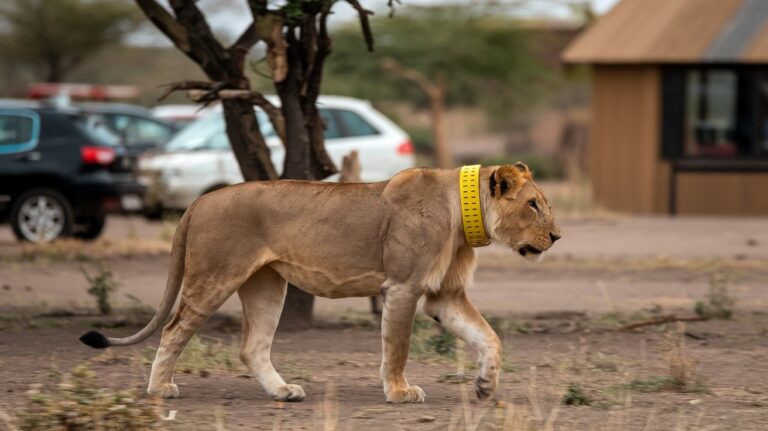
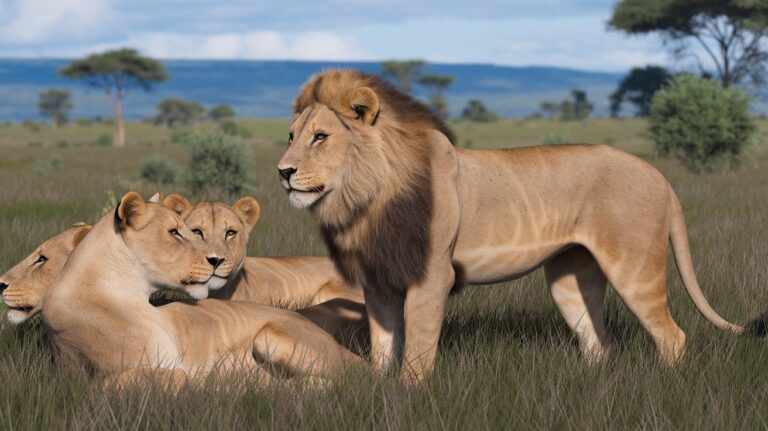
The African lion (Panthera leo) stands as the most iconic member of the Big Five, earning its reputation as the ‘King of Beasts’ through its impressive social structure and commanding presence. Current populations hover around 20,000 individuals across Africa, representing a dramatic decline from historical numbers. Safari visitors have approximately a 95% chance of seeing lions in premier destinations like Kenya’s Masai Mara and Tanzania’s Serengeti.
Lions exhibit unique social behaviors among big cats, living in structured prides of 10-15 individuals led by dominant males and females. These magnificent predators can reach speeds of 50 mph in short bursts and possess night vision six times better than humans. Male lions are distinguishable by their impressive manes, which serve as protection during fights and indicators of genetic fitness to potential mates.
Lion Viewing Success Rates by Region
The likelihood of spotting lions varies significantly across African destinations. Kenya and Tanzania offer 90-95% success rates, while South Africa’s private game reserves provide nearly guaranteed sightings. Botswana’s Okavango Delta reports 85% success rates, making it an excellent choice for comprehensive Big Five safari tours. Peak viewing occurs during dry seasons when animals concentrate around water sources.
Lion Behavior and Best Photography Opportunities
Lions remain most active during cooler morning and evening hours, making early game drives essential for optimal sightings. Pride dynamics offer exceptional photographic opportunities, particularly during feeding times and social interactions. Professional guides recommend maintaining 25-meter distances for safety while capturing these magnificent Big Five animals in their natural habitat.
African Leopard: The Elusive Big Five Predator
The African leopard (Panthera pardus) represents the most challenging Big Five animal to spot, with sighting success rates averaging 60-70% across premier safari destinations. These solitary cats possess incredible adaptability, thriving in diverse habitats from dense forests to arid savannas. Leopards demonstrate remarkable climbing abilities, often dragging prey twice their weight into trees to avoid competitors like lions and hyenas.
Distinguished by their rosette-patterned coats and powerful build, leopards typically weigh 60-200 pounds and measure 4-6 feet in length. Their exceptional night vision and stealth make them formidable hunters, capable of taking down prey ranging from small antelope to young giraffes. Safari enthusiasts prize leopard sightings due to their rarity and the skill required to locate these masters of camouflage.
Leopard Tracking Techniques and Hotspots
Successful leopard viewing requires experienced guides who understand territorial markings, preferred hunting routes, and denning sites. South Africa’s Sabi Sands Game Reserve reports the highest leopard sighting rates at 75%, followed by Botswana’s Moremi Game Reserve at 65%. Early morning and late afternoon drives offer optimal opportunities, as these big cats become more active during twilight hours.
Leopard Photography Challenges and Solutions
Photographing leopards presents unique challenges due to their preference for dense vegetation and low-light conditions. Professional wildlife photographers recommend telephoto lenses of 400mm or greater, high ISO capabilities, and fast autofocus systems. Patience becomes crucial when waiting for these elusive Big Five animals to emerge from cover or descend from trees.
Rhinoceros: The Endangered Big Five Giants
Both black and white rhinoceros species qualify as Big Five animals, though their populations face critical threats from poaching and habitat loss. White rhinos (actually gray in color) number approximately 18,000 individuals, while black rhinos hover around 5,500 globally. These prehistoric-looking mammals can weigh up to 5,500 pounds and surprisingly reach speeds of 35 mph despite their bulk.
Rhino viewing success varies dramatically by location, with South Africa’s private reserves offering 80-90% sighting rates compared to 40-50% in many East African parks. The distinction between white and black rhinos lies primarily in lip shape – white rhinos have wide, square lips for grazing, while black rhinos possess pointed lips for browsing. Both species demonstrate poor eyesight but exceptional hearing and smell capabilities.
Rhino Conservation Success Stories
South Africa’s rhino conservation programs have achieved remarkable success, increasing white rhino populations from fewer than 50 individuals in 1900 to current levels through intensive protection and breeding programs. Private safari operators contribute significantly to these efforts, with tourism revenue funding anti-poaching units and habitat restoration projects across the continent.
Best Rhino Viewing Destinations and Timing
Kenya’s Ol Pejeta Conservancy houses the world’s largest black rhino sanctuary and offers guaranteed sightings of both species. South Africa’s Hluhluwe-iMfolozi Park pioneered rhino conservation and maintains excellent viewing opportunities. Early morning drives provide optimal conditions for rhino encounters, as these Big Five animals prefer cooler temperatures for active foraging.
African Elephant: The Gentle Giants of Big Five Safari
The African elephant (Loxodonta africana) stands as the largest land mammal and most emotionally intelligent member of the Big Five, with populations currently estimated at 415,000 individuals across the continent. These magnificent creatures can weigh up to 13,000 pounds and consume 300-400 pounds of vegetation daily. Elephants demonstrate complex social structures led by matriarchal herds and exhibit remarkable memory capabilities that enable them to navigate vast territories.
Elephant encounters rank among the most rewarding safari experiences, with success rates exceeding 90% in prime destinations. These giants communicate through infrasonic calls that travel several miles, coordinate group movements across seasonal migration routes, and display mourning behaviors when encountering deceased family members. Their intelligence rivals that of great apes, making elephant observations particularly fascinating for wildlife enthusiasts.
Elephant Migration Patterns and Seasonal Viewing
The annual elephant migration between Botswana and Zimbabwe represents one of Africa’s most spectacular wildlife events, with over 50,000 elephants participating in this seasonal movement. Peak viewing occurs between May and October when herds concentrate along the Chobe River. Safari Big 7 destinations often time itineraries around these migration patterns to maximize elephant encounters.
Elephant Behavior and Safety Considerations
Understanding elephant body language proves crucial for safe wildlife viewing, as these powerful animals can become aggressive when feeling threatened or protecting young. Warning signs include ear flapping, trunk raising, and mock charging behaviors. Experienced guides maintain appropriate distances of 25-30 meters while allowing guests to observe natural behaviors like dust bathing, feeding, and social interactions within family groups.
Cape Buffalo: The Unpredictable Big Five Warrior
The Cape buffalo (Syncerus caffer) earned its place among the Big Five through its unpredictable nature and formidable defensive capabilities rather than size alone. These powerful bovines weigh 500-1,900 pounds and form massive herds of up to 1,000 individuals during dry seasons. Buffalo possess exceptional memories for threats and demonstrate coordinated defense strategies against predators, making them one of Africa’s most dangerous animals.
Buffalo viewing success rates range from 85-95% across major safari destinations, as their herd behavior makes them relatively easy to locate compared to solitary Big Five species. These resilient animals adapt to diverse habitats from woodlands to grasslands and play crucial ecological roles as primary grazers. Male buffalo develop distinctive boss formations where their horns meet, creating natural helmets that protect them during intense territorial battles.
Big Five Safari Cost and Planning Considerations
Big Five safari cost varies significantly based on destination, accommodation level, and trip duration, with American travelers typically spending $3,000-$15,000 per person for comprehensive experiences. Budget-conscious options in Kenya and Tanzania start around $200-$400 daily, while luxury South African private reserves command $800-$2,000 per person per night. Peak season pricing (July-October) can increase costs by 30-50% but offers optimal wildlife viewing conditions.
Planning considerations include seasonal rainfall patterns, migration timing, and regional security conditions that affect both safari experiences and pricing. All-inclusive packages often provide better value than individually booked components, particularly for first-time visitors unfamiliar with African logistics. Malaria prophylaxis, comprehensive travel insurance, and appropriate vaccinations add $300-$600 to total trip costs but remain essential for safe travel.
Budget-Friendly Big Five Safari Options
Tanzania’s northern circuit offers excellent Big Five safari tours starting at $2,500 per person for five-day experiences, including Ngorongoro Crater and Serengeti access. Kenya’s Masai Mara provides competitive pricing with guaranteed Big Five viewing opportunities, while Botswana’s camping safaris offer authentic experiences at reduced costs. Group bookings and off-season travel can reduce overall expenses by 20-40%.
Luxury Big Five Safari Experiences
Premium safari experiences in South Africa’s private reserves offer personalized game drives, expert guides, and exclusive wildlife access starting at $1,200 daily per person. These luxury options provide higher success rates for complete Big Five sightings, often exceeding 95% over three-day periods. Additional amenities include spa services, gourmet dining, and private airstrip access for seamless transportation.
How Likely Is It to See All Big Five on Safari
The likelihood of seeing all Big Five during a safari depends heavily on destination choice, trip duration, and seasonal timing, with success rates ranging from 60% for three-day trips to 95% for week-long experiences in premier locations. South Africa’s private game reserves offer the highest probability of complete Big Five encounters, while East African parks provide more authentic wilderness experiences with slightly lower success rates.
Professional guides significantly improve sighting success through specialized tracking skills, radio communication networks, and intimate knowledge of animal behavior patterns. The most challenging species to locate remain leopards and black rhinos, requiring patience and multiple game drives for guaranteed sightings. Morning and evening game drives provide optimal opportunities, as most Big Five animals remain more active during cooler temperatures.
Related video about Big five safari
This video complements the article information with a practical visual demonstration.
Most asked questions about big five safari
What are the Big Five safaris and why are these animals significant?
The Big Five safari animals include lions, leopards, rhinoceros, elephants, and Cape buffalo – originally designated by big-game hunters as the most dangerous and difficult animals to hunt on foot. Today, Big Five safaris focus on wildlife photography and conservation, generating over $8 billion annually in tourism revenue while supporting crucial anti-poaching and habitat preservation efforts across Africa.
What are the Big 5 animals in Kenya and where can I see them?
Kenya’s Big Five animals are the African lion, African leopard, black and white rhinoceros, African elephant, and Cape buffalo. The Masai Mara National Reserve offers 90-95% success rates for lion sightings, while Ol Pejeta Conservancy provides guaranteed rhino encounters. Amboseli National Park excels for elephant viewing, and Samburu National Reserve offers excellent leopard opportunities.
How likely is it to see the Big Five on safari in different destinations?
Success rates for seeing all Big Five vary by location and duration. South Africa’s private reserves offer 95% success for week-long trips, Tanzania’s northern circuit provides 85-90% rates, while Kenya’s parks average 80-85%. Three-day safaris typically achieve 60-70% success rates, while seven-day experiences exceed 90% in premier destinations with experienced guides.
What are the big 6 or Safari Big 7 animals beyond the traditional Big Five?
The Safari Big 7 adds cheetahs and African wild dogs to the traditional Big Five, representing Africa’s most sought-after wildlife sightings. Some operators include hippos or crocodiles as additional species. The Big 6 sometimes refers to adding cheetahs alone, while the Big 7 encompasses all major African predators and megafauna for comprehensive wildlife experiences.
What is the average Big Five safari cost for American travelers in 2025?
Big Five safari costs range from $3,000-$15,000 per person depending on destination and accommodation level. Budget Tanzania safaris start at $2,500 for five days, Kenya mid-range experiences cost $4,000-$6,000 per person, while luxury South African private reserve safaris command $8,000-$15,000 for week-long trips including flights, meals, and guided game drives.
Why are they called the Big 5 animals and not based on size?
The Big Five designation originated from 1920s big-game hunters who identified these species as the most dangerous and challenging to hunt on foot, not the largest animals. The term reflects the skill, courage, and difficulty required to track these creatures successfully. This historical hunting context explains why larger animals like hippos or giraffes weren’t included in the original classification.
| Big Five Animal | Viewing Success Rate | Best Destinations | Optimal Timing |
|---|---|---|---|
| African Lion | 90-95% | Masai Mara, Serengeti, Kruger | Early morning, late afternoon |
| African Leopard | 60-75% | Sabi Sands, Moremi, Samburu | Dawn, dusk, nighttime drives |
| Rhinoceros | 40-90% | Ol Pejeta, Hluhluwe-iMfolozi | Early morning drives |
| African Elephant | 90-95% | Chobe, Amboseli, Hwange | All day, peak at water sources |
| Cape Buffalo | 85-95% | Masai Mara, Serengeti, Kruger | Morning and evening grazing |